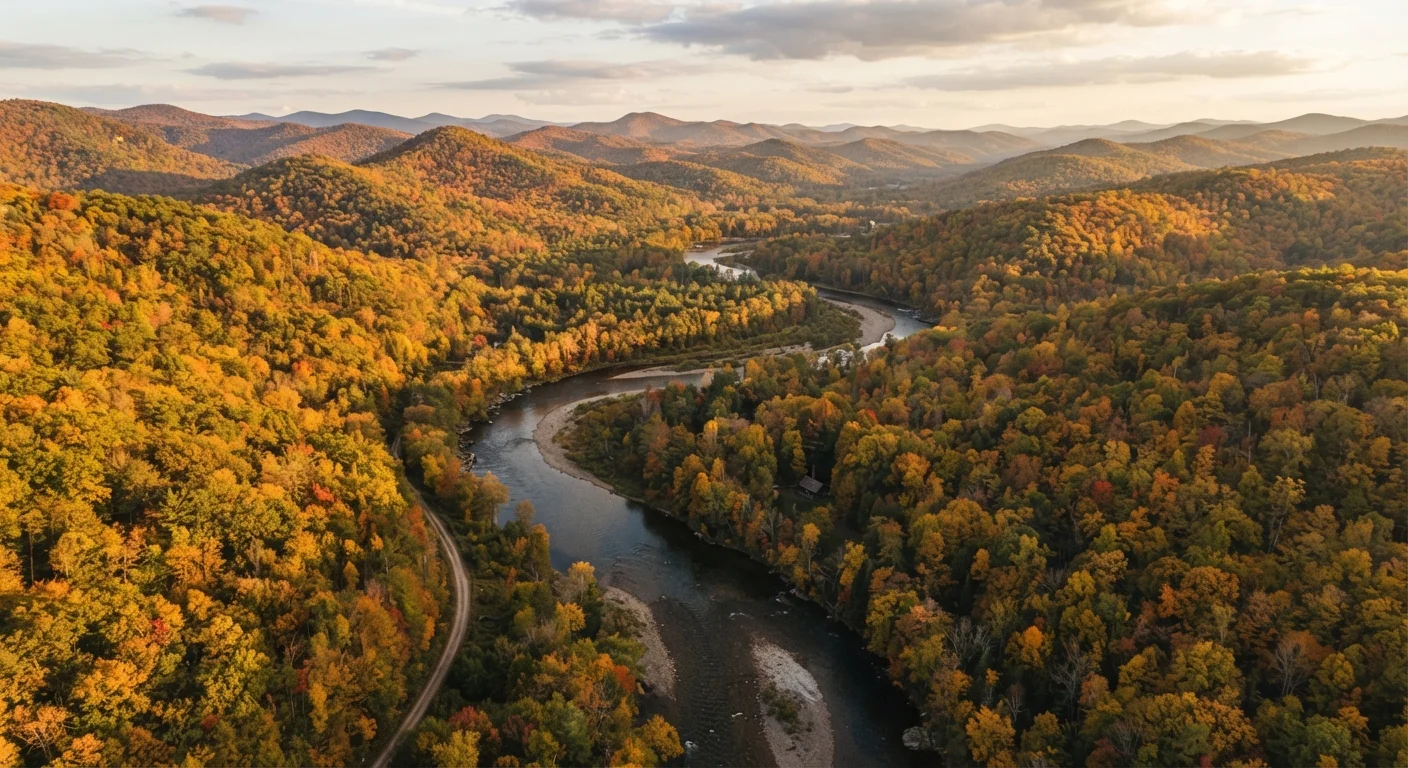

What We Mean by Off-Season Travel
Every destination has a rhythm - a stretch of weeks or months when visitors flood in, prices spike, and availability tightens. The off-season is simply the flip side: the period when that same destination sees far fewer visitors, typically due to weather, school calendars, or local events. A beach town in coastal Maine experiences its off-season in January; Aspen's quiet stretch falls in late spring after ski season winds down.
Understanding a destination's specific off-season matters more than applying a one-size-fits-all calendar. If you're building your trip planning strategy, recognizing when a place is genuinely quiet - versus simply less busy - shapes every decision that follows.
Off-Season Varies by Destination
There's no universal off-season calendar. A destination in the tropics may be quietest during its rainy season; a ski resort's off-season falls in summer. Always research the specific destination's tourism cycle rather than applying a general rule. Official tourism boards and travel advisories are reliable starting points for verifying local conditions and any entry requirements before you travel.
The Real Advantages
Off-season travel earns its fans for good reason. Here's what actually improves when you travel outside peak demand.
Lower airfare and accommodation rates
Demand-driven pricing means flights and hotels often cost less during off-peak periods. Savings vary by destination and timing, so checking historical pricing is more reliable than assuming a fixed discount.
Far fewer crowds at major attractions
Popular landmarks, museums, and natural sites are far less congested, allowing for a more relaxed, immersive visit without the bottlenecks common during peak season.
More authentic local atmosphere
With tourist volumes down, everyday life becomes more visible - local restaurants prioritize regulars, neighborhoods feel less staged, and genuine interactions are easier to find.
Greater accommodation availability and flexibility
Properties that fill up months in advance during peak season may have last-minute openings in the off-season, giving spontaneous travelers more genuine options.
Easier photography and exploration
Iconic sites without wall-to-wall visitors make for a fundamentally different experience - whether you're taking photos or simply absorbing a place at your own pace.
Perhaps the most tangible perk is cost. Airfare and accommodation prices often drop noticeably during off-peak windows, though specific savings vary widely by destination and timing. Checking historical price patterns before booking - rather than assuming a discount - is a smarter approach. For a broader look at how flight timing affects your options, see our comparison of direct vs. connecting flights.
There's also an authenticity argument. When tourist infrastructure isn't running at full tilt, you're more likely to encounter the destination as locals experience it - neighborhood restaurants without waiting lists, museum galleries you can actually linger in, and a general unhurriedness that peak season rarely allows. Lesser-known US destinations often feel entirely different - and far more rewarding - outside their busy windows.
20-40%
Typical hotel rate reduction in off-peak periods
Industry analysts commonly cite significant rate drops during low-demand windows, though exact figures vary by market, destination, and property type.
3x
Crowd increase at top sites during peak vs. off-season
Major UNESCO World Heritage Sites regularly report visitor counts several times higher in summer peak months than in the quietest months of the year.
The Genuine Drawbacks
Off-season travel isn't a straightforward win. Several real trade-offs deserve honest consideration before you book.
Seasonal closures reduce available experiences
Many tourist-facing businesses - from beach bars to mountain gondolas - operate only during peak season. Travelers may arrive to find key attractions shuttered or only partially open.
Unpredictable or challenging weather
Destinations are often off-peak for a reason, and that reason is frequently weather. Rain, cold, heat, or storm risk can limit outdoor activities and require contingency planning.
Reduced transportation options
Seasonal routes - ferry lines, regional trains, shuttle services - may run on reduced schedules or not at all, requiring more complex logistics to get around.
Shorter daylight hours in winter destinations
For destinations that go quiet in winter, reduced daylight can meaningfully limit how much you're able to see and do in a single day, especially for outdoor itineraries.
Some destinations feel genuinely abandoned
In heavily seasonal places, the off-season can feel eerily empty rather than charmingly quiet, with few dining options, minimal nightlife, and a muted overall atmosphere.
The biggest practical concern is reduced infrastructure. Tourist-oriented towns often scale back significantly: restaurants cut hours or close entirely, seasonal attractions shutter, and some transportation links run on abbreviated schedules. Before committing, it's worth working through the key questions to ask before choosing a destination - including which services you're genuinely counting on.
Weather is the other major variable. Off-season conditions may mean rain, cold, or heat that constrains outdoor activities. That's not necessarily a dealbreaker - it depends heavily on what you're hoping to do. A traveler exploring museums in Lisbon in November faces very different considerations than someone planning a hiking trip in Montana in March.
Where Shoulder Season Fits In
If the off-season feels like too much of a trade-off, the shoulder season - the transitional weeks just before peak or just after - often offers a middle ground worth considering. Prices haven't fully spiked yet (or have begun to fall), crowds are thinner, and most services remain open. Our deeper look at peak season vs. shoulder period travel breaks down these dynamics in more detail.
Timing flexibility also affects how you approach booking. The decision to pre-book everything plays out differently in the off-season: with lower demand, last-minute options may exist that peak season simply doesn't allow - but popular spots can still fill up in shoulder periods, especially in popular regions.
The bottom line is that off-season travel rewards research and realistic expectations. It isn't a universal upgrade - it's a different kind of trip, with its own distinct advantages and genuine limitations. Whether that trade-off works for you depends entirely on the destination, the time of year, and what you're hoping to get out of the experience.