What's Actually at Stake in This Decision
Choosing between an indoor or outdoor lifestyle for your pet isn't simply about preference - it shapes their exposure to disease, injury, mental stimulation, and longevity. The decision looks different for a domestic cat than it does for a rabbit, a dog, or a guinea pig, which means there's no universal right answer. What matters is understanding the real tradeoffs so you can make a deliberate, informed choice for your specific animal.
For cats specifically, research consistently associates indoor living with longer average lifespans, largely due to reduced exposure to vehicles, predators, and infectious disease. For dogs, the equation shifts: most dogs require outdoor time for adequate exercise and behavioral health, making the question less about whether they go outside and more about how safely that access is structured. See our detailed look at how lifestyle shapes feline health for a deeper dive into the cat-specific evidence.
| Criterion | Indoor Pet Lifestyle | Outdoor Pet Lifestyle |
|---|---|---|
| Average lifespan (cats) | Generally longer | Generally shorter |
| Parasite exposure risk | Low | Moderate to high |
| Injury from traffic or predators | Minimal | Elevated |
| Natural behavioral stimulation | Requires active enrichment | Naturally higher |
| Owner supervision ease | High | Lower |
| Infectious disease exposure | Low | Higher |
| Obesity risk | Higher without exercise plan | Lower with active access |
| Identification needs | Recommended | Essential |
The Case for Keeping Pets Primarily Indoors
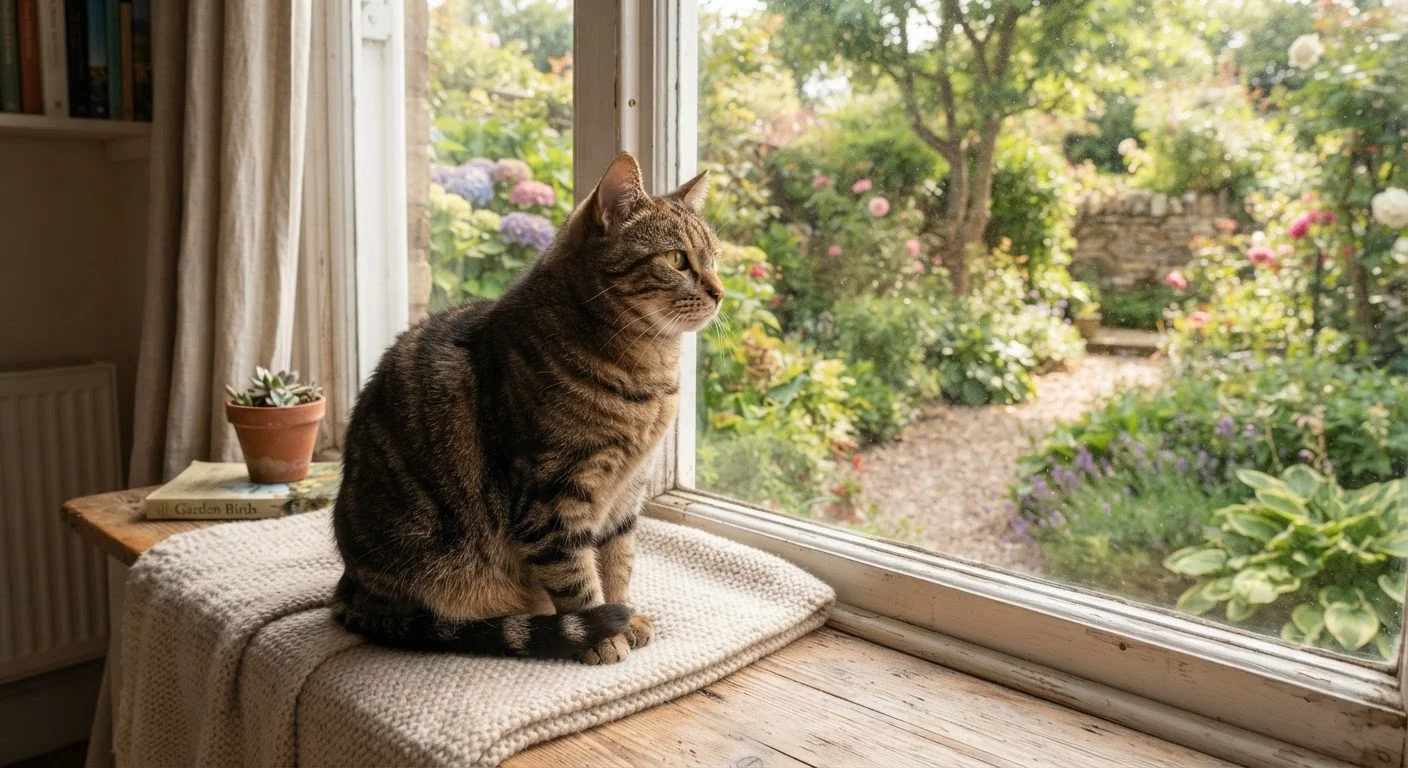
Indoor environments eliminate many of the most common causes of preventable pet injury and death: road traffic, attacks from other animals, accidental ingestion of outdoor toxins, and transmission of parasites like fleas, ticks, and intestinal worms. Pets kept indoors are also easier to monitor for early signs of illness, which can lead to faster veterinary intervention.
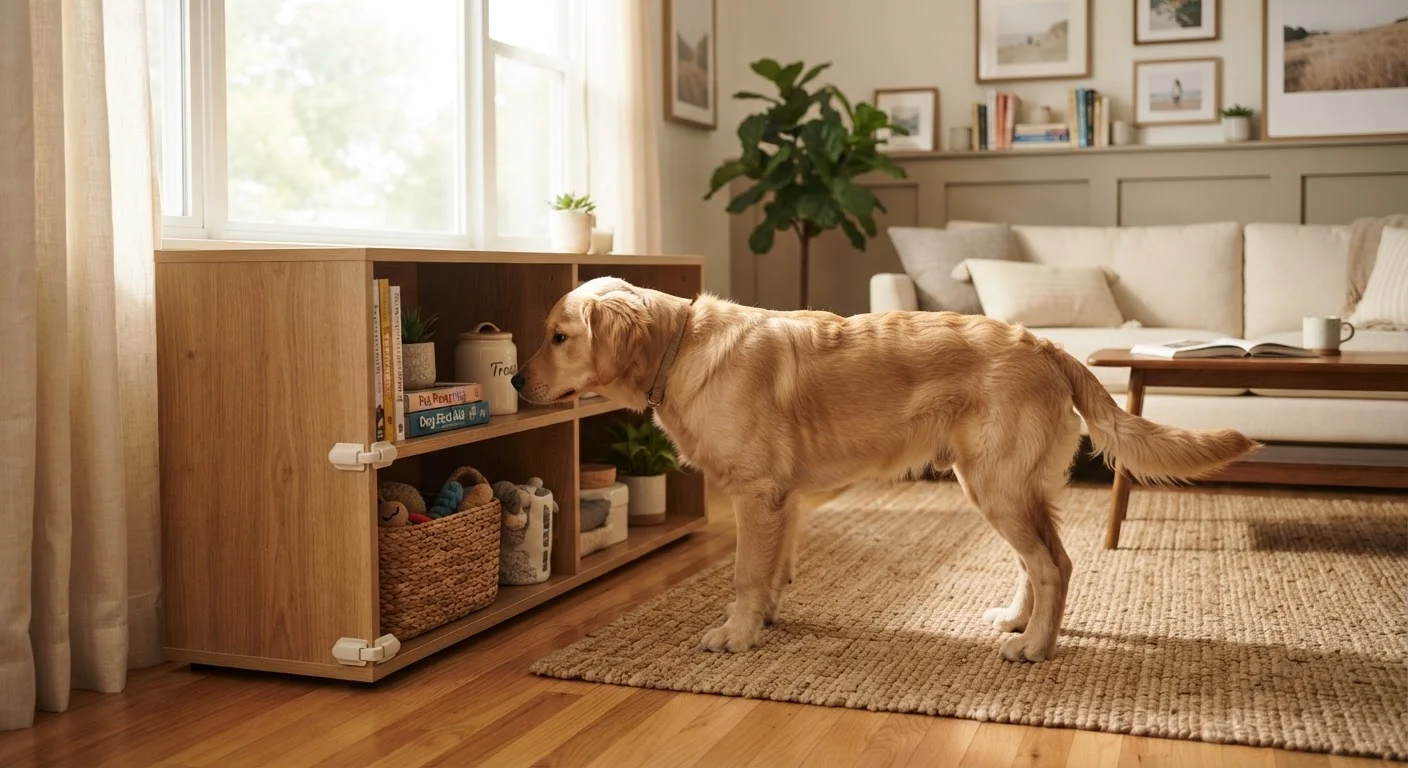
The significant caveat is that indoor living doesn't automatically mean a safe or fulfilling environment. Everyday household items - certain plants, cleaning products, electrical cords, and human foods - can pose genuine hazards. Our guide on keeping pets safe from common household hazards covers the most frequently overlooked indoor dangers. Beyond physical safety, pets confined indoors without adequate mental and physical stimulation are at real risk of boredom-related behavioral problems, anxiety, and weight gain. Pet obesity is a documented concern for sedentary indoor animals. Deliberate enrichment - puzzle feeders, climbing structures, interactive play, and rotation of stimulating activities - is not optional for indoor pets; it's a core care responsibility. Our article on building a mentally stimulating environment at home offers practical ideas across species.
10-15 yrs
Typical indoor cat lifespan
Veterinary and animal welfare organizations commonly cite indoor cats living 10-15 years on average, compared to significantly shorter estimates for outdoor-only cats.
~2-5 yrs
Estimated outdoor-only cat lifespan
Multiple animal welfare sources, including the American Veterinary Medical Association, note that outdoor-only cats face substantially higher mortality risks than indoor cats.
60%+
US pets estimated overweight or obese
The Association for Pet Obesity Prevention has consistently reported that a majority of US cats and dogs are overweight, a risk heightened by sedentary indoor lifestyles without enrichment.
The Case for Allowing Outdoor Access
Outdoor environments offer sensory richness that indoor spaces rarely replicate: varied terrain, natural scents, temperature shifts, wildlife sounds, and unstructured movement. For many animals, particularly dogs and certain small mammals, this stimulation is important for behavioral health. Dogs that don't get sufficient physical outlets often redirect energy into destructive or anxious behaviors indoors.
The risks, however, are real and require active management rather than dismissal. Outdoor pets face higher exposure to infectious diseases, parasitic infection, toxic plants and substances, and the unpredictability of other animals and people. Identification becomes critical: microchipping and ID tags are essential for any pet with outdoor access, since even supervised pets can bolt or become disoriented. Vaccination and parasite prevention schedules should be discussed with your veterinarian based on your specific region and your pet's level of outdoor exposure.
Outdoor Access Requires Updated Preventive Care
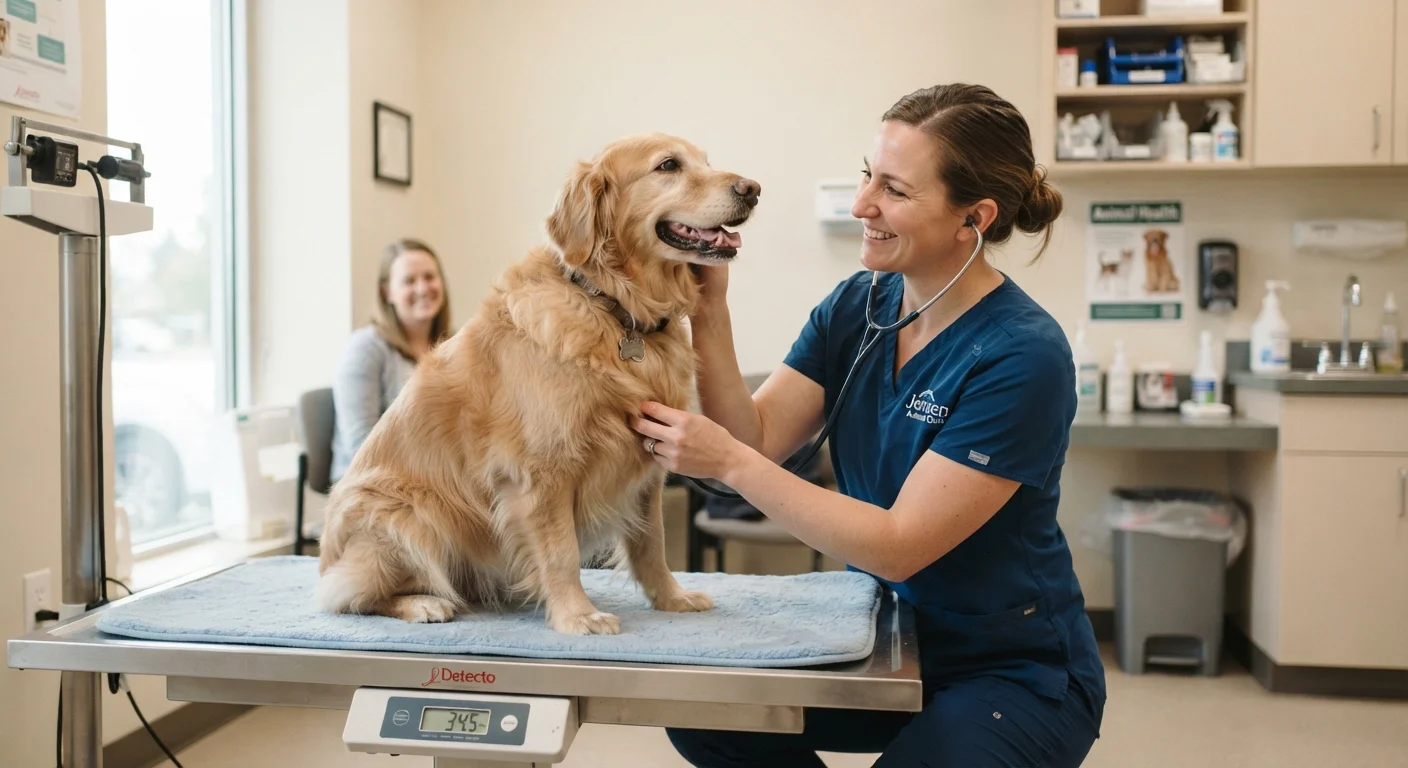
Pets with regular outdoor access generally need more frequent veterinary check-ins and up-to-date parasite prevention - including flea, tick, and heartworm protection appropriate to your region. Vaccination schedules may also differ from those recommended for strictly indoor pets. Work with your veterinarian to establish a preventive care plan that matches your pet's actual level of outdoor exposure.
Making the Decision for Your Situation
Several practical factors should guide your assessment: your local environment (urban, suburban, or rural), your pet's species and breed characteristics, their age and health status, and your ability to actively supervise and manage their access. A newly adopted pet is especially vulnerable to early missteps - common early mistakes often include granting outdoor access before a pet has adjusted, been fully vaccinated, or learned reliable recall.
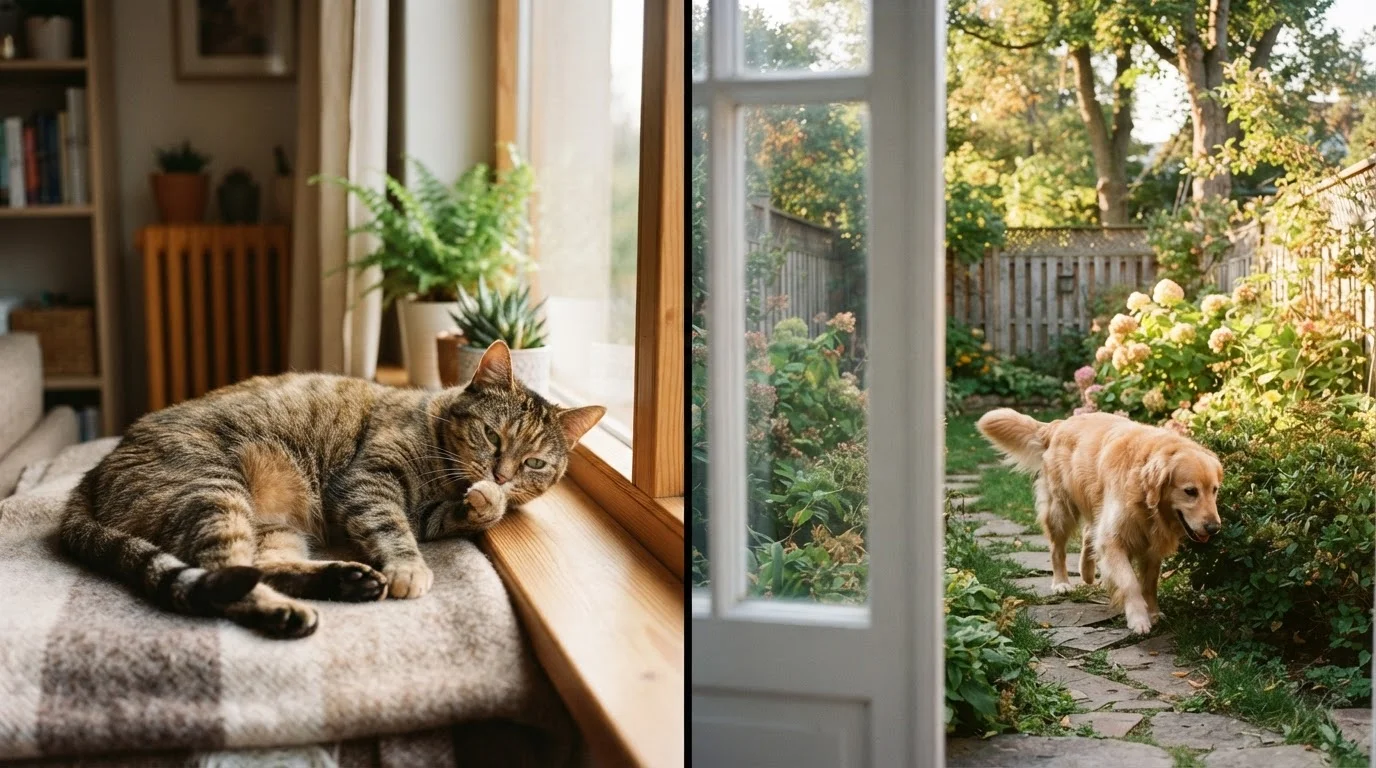
Hybrid approaches work well for many households. A cat can access a screened enclosure or enclosed garden. A dog can have structured leash walks and off-leash time in safely fenced areas while spending nights and unsupervised hours indoors. These arrangements capture the enrichment benefits of outdoor exposure while preserving a safer, controllable home base. Whatever lifestyle you choose, unexpected veterinary costs are more likely for outdoor-access pets - understanding how pet insurance works is worth considering alongside this decision. Consult your veterinarian before making significant changes to your pet's living situation, especially if they are elderly, have chronic health conditions, or are recovering from illness.
This article is for general informational and educational purposes only and does not constitute veterinary or medical advice. Always consult a licensed veterinarian for guidance specific to your pet's needs.