
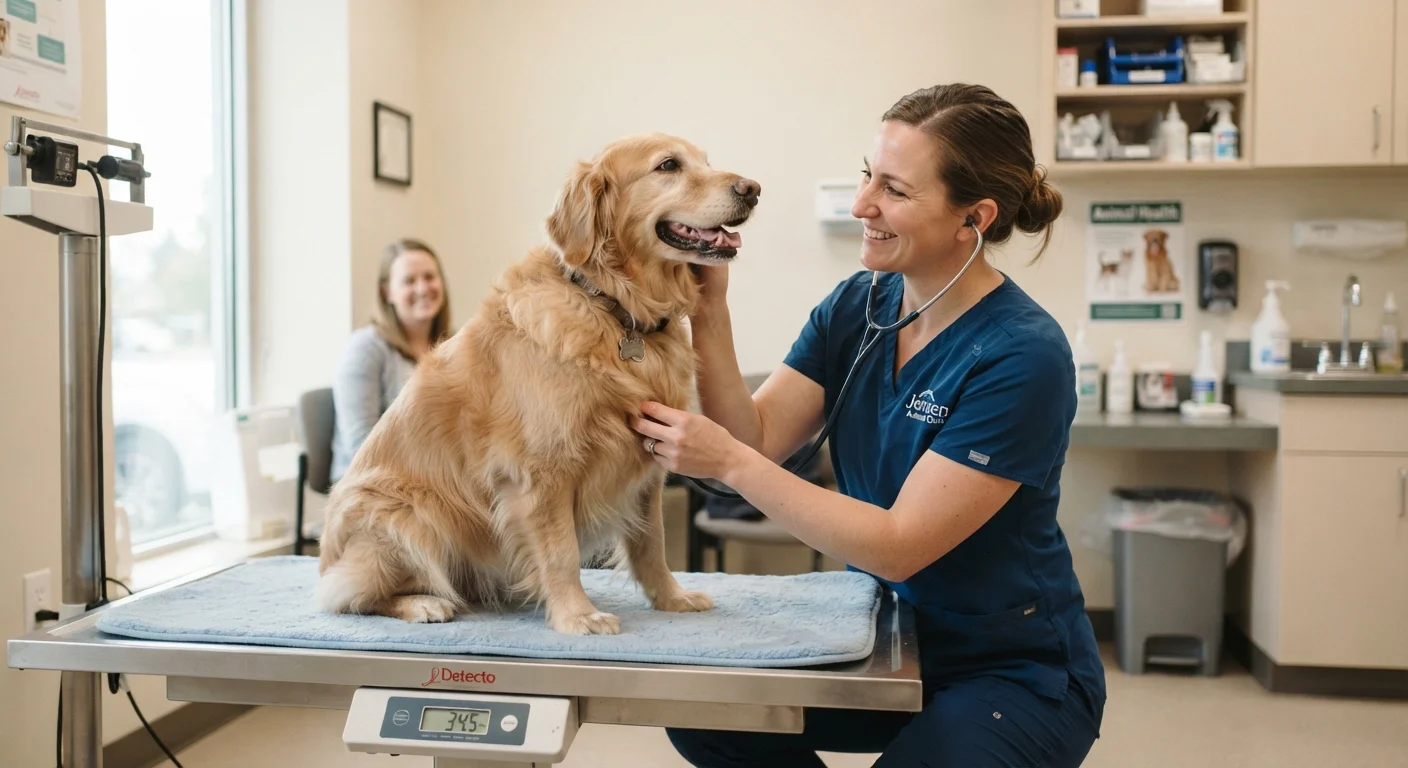
Why Pet Obesity Is a Genuine Medical Concern
Excess body weight in companion animals is not simply an aesthetic issue - it is a documented medical risk factor. Veterinary researchers have associated obesity in dogs and cats with shortened lifespan, reduced mobility, and a higher incidence of chronic disease. A long-running study involving Labrador Retrievers found that dogs kept lean throughout their lives lived a median of nearly two years longer than overweight littermates.
The conditions linked to obesity in pets closely mirror those seen in humans: type 2 diabetes (particularly common in overweight cats), osteoarthritis, hypertension, respiratory compromise, bladder stones, and even certain cancers. Because these conditions often develop gradually, owners may not notice a problem until it is already well-established - which is why routine veterinary weight monitoring matters.
~60%
US dogs and cats estimated to be overweight or obese
According to the Association for Pet Obesity Prevention's annual surveys, a consistent majority of companion animals in the US are classified as overweight or obese by their veterinarians.
~2 years
Median lifespan reduction in overweight dogs
A multi-decade Labrador Retriever study found that dogs maintained at a lean body condition lived nearly two years longer than their overweight littermates.
20-30%
Reduction in caloric needs after spay/neuter
Veterinary nutritionists generally estimate that spayed or neutered pets may require significantly fewer daily calories than intact animals of the same size and age.
Understanding the underlying drivers of weight gain is the first step toward prevention. For a broader look at how nutrition shapes your pet's overall wellbeing, see The Foundations of a Healthy Pet Diet.
The Most Common Causes of Weight Gain in Pets
Obesity in pets is almost always the result of energy imbalance: more calories consumed than the animal burns. But several specific factors make that imbalance more likely to occur.
Overfeeding and Free-Choice Feeding
The most frequent contributor is straightforward overfeeding. Many commercially available pet foods are energy-dense, and portion guidelines on packaging are often based on averages that may not match an individual animal's actual needs. Free-choice feeding - leaving food available at all times - removes the natural regulation of meal-based hunger cues.
Excessive Treats
Treats are a major hidden calorie source. A small dog that receives several commercial treats per day may be consuming 20-30% of their daily calorie needs in treats alone, on top of their regular meals. Common pet ownership myths often normalize excessive treat-giving as a form of affection.
Reduced Physical Activity
Sedentary environments significantly reduce calorie expenditure. Pets that spend most of their time indoors with limited play or exercise burn fewer calories, meaning even a modest caloric surplus leads to gradual weight gain. This is one reason that the indoor vs. outdoor lifestyle decision carries real health implications.
Adjust Portions After Spaying or Neutering
If your pet has recently been spayed or neutered, speak with your veterinarian about recalculating their daily calorie needs. Many vets recommend reducing food intake by roughly 20-25% post-procedure to account for the drop in metabolic rate. Making this adjustment early can prevent years of gradual weight creep.
Hormonal and Medical Factors
Spaying and neutering reduce sex hormone levels, which lowers resting metabolic rate. Hypothyroidism in dogs and insulin-resistance conditions in cats can also contribute to weight gain independent of diet. These cases require veterinary diagnosis and management - dietary changes alone are insufficient.
Age and Breed
Older pets tend to be less active and have slower metabolisms, making weight gain more likely if feeding amounts aren't adjusted over time. Certain breeds also carry a genetic predisposition toward easy weight gain, including Labrador Retrievers, Beagles, and domestic shorthair cats.
Identifying a Weight Problem Early
Owners are well-positioned to catch early warning signs - but it requires looking beyond the number on a scale. The Body Condition Score (BCS) is a practical tool: at a healthy weight, a pet's ribs should be easily felt under light pressure, a waist should be visible from above, and there should be a slight abdominal tuck when viewed from the side.
If ribs are buried under a thick layer of fat, the waist has disappeared, or the abdomen hangs visibly, these are meaningful indicators of excess weight. Annual or biannual veterinary check-ups typically include a BCS assessment, making those appointments an important catch-all.
This article is for general informational purposes only and does not constitute veterinary advice. Always consult a licensed veterinarian for guidance specific to your pet's health needs.