How Pet Insurance Actually Works
Pet insurance operates differently from human health insurance. In most U.S. plans, pet owners pay the veterinary bill upfront, then submit a claim for reimbursement. The insurer reimburses a set percentage - typically 70%, 80%, or 90% - of covered costs after the deductible is met. Plans may apply an annual deductible, a per-incident deductible, or both.
Policies are generally structured around three tiers: accident-only (the most basic), accident and illness (the most common), and wellness or preventive add-ons (optional riders that cover routine visits, vaccines, and dental cleanings). Understanding which tier you're purchasing is foundational to assessing value.
For a broader look at how insurance products are structured and what coverage limitations to watch for, the framework in Travel Insurance Explained offers useful parallel thinking on reading policy fine print carefully.
Waiting Periods Can Catch New Enrollees Off Guard
Most pet insurance policies include a waiting period - typically 14 days for illness and 2-5 days for accidents - during which no claims can be filed. Some plans extend orthopedic waiting periods to 6 months. If your pet develops a condition during the waiting period, it may be classified as a pre-existing condition and excluded from future coverage. Enroll as early as possible, ideally when your pet is young and healthy, to minimize this risk.
What Pet Insurance Typically Covers
Most accident-and-illness plans cover a meaningful range of veterinary care, including:
- Emergency visits and hospitalizations
- Surgeries (including orthopedic procedures)
- Diagnostic tests such as bloodwork, X-rays, and MRIs
- Prescription medications related to covered conditions
- Cancer treatment, including chemotherapy
- Hereditary and congenital conditions - if not pre-existing at enrollment
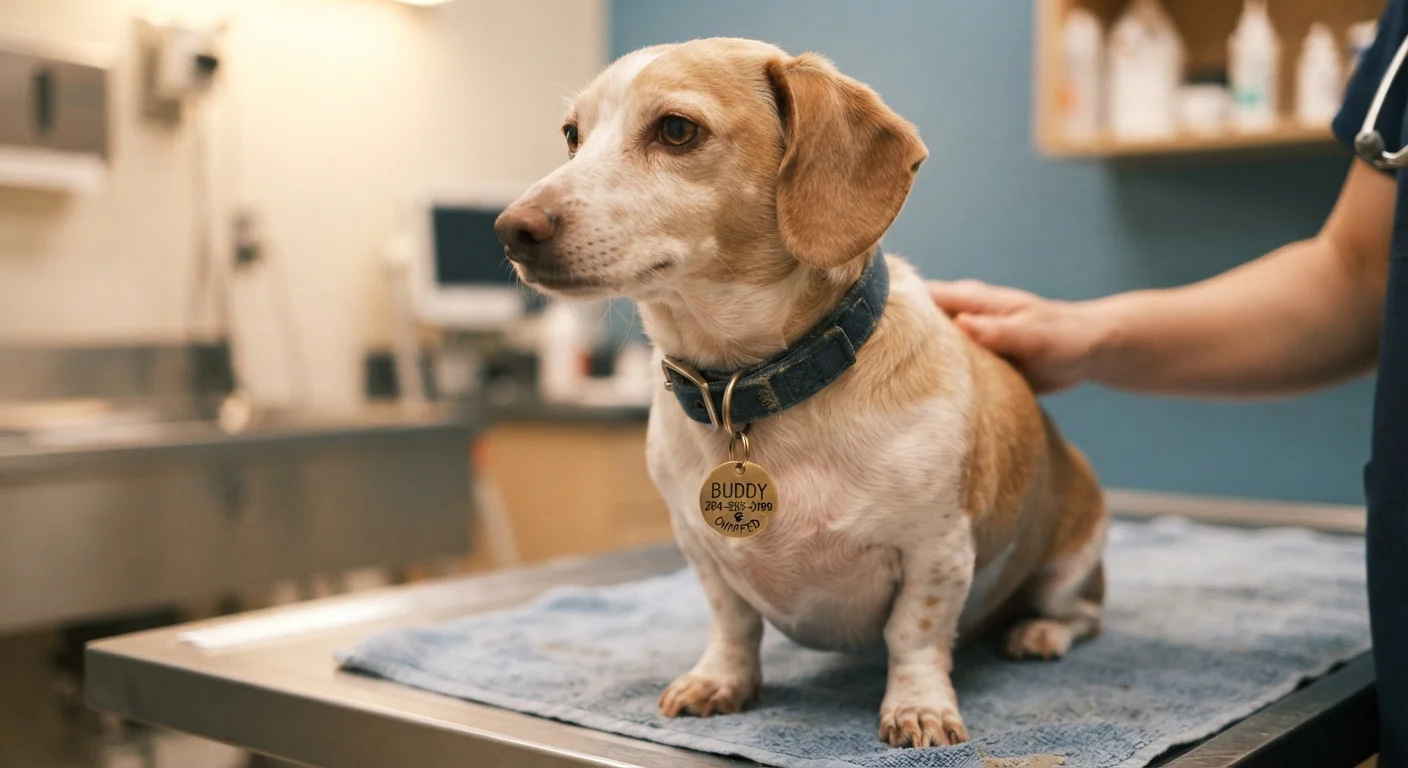
Some plans also cover specialist referrals, rehabilitation, and behavioral therapy. Coverage for microchipping and ID services is occasionally bundled into wellness riders, though this varies by insurer.
$1,500-$5,000
Typical cost of a pet emergency surgery
According to veterinary care cost surveys, common emergency procedures such as intestinal obstruction removal or fracture repair routinely fall within this range in the U.S.
4.1 million
Pets insured in the U.S. (2023 estimate)
The North American Pet Health Insurance Association (NAPHIA) reported approximately 4.1 million insured pets in the United States as of its 2023 State of the Industry report.
Common Exclusions You Should Know
Exclusions are where many pet owners are caught off guard. Nearly all policies exclude:
- Pre-existing conditions - any illness or injury documented before the policy start date, or during a waiting period
- Routine and preventive care - wellness exams, standard vaccinations, flea prevention, and dental cleanings (unless a wellness rider is added)
- Elective procedures - cosmetic surgeries, ear cropping, tail docking
- Breeding-related costs - pregnancy, whelping, and neonatal care
- Certain breed-specific conditions - some plans exclude known hereditary issues in high-risk breeds
Waiting periods are another critical detail. Most plans impose a 14-day wait for illness coverage and 2-5 days for accidents. Orthopedic conditions sometimes carry waiting periods of up to six months.
Understanding preventive care - including dog vaccination schedules - helps clarify which routine costs you'll likely pay out of pocket regardless of your plan.
Pros and Cons of Pet Insurance
Weighing pet insurance requires an honest look at both sides of the equation. The benefits can be substantial in high-cost scenarios, but the limitations are real and worth understanding before you enroll.
Limits financial exposure from unexpected emergencies
A single emergency surgery or cancer diagnosis can cost $3,000-$10,000 or more. Insurance caps your out-of-pocket liability so that cost alone doesn't drive care decisions.
Encourages timely veterinary care
Pet owners with insurance are generally more likely to seek care promptly rather than delaying visits due to cost concerns, which can improve outcomes for the animal.
Predictable monthly costs replace unpredictable large bills
For budget-conscious households, a fixed monthly premium can be easier to manage than absorbing irregular large expenses throughout the year.
Covers hereditary conditions if enrolled early
Many breed-specific hereditary conditions - such as hip dysplasia in large dogs - are covered provided the policy is in place before symptoms appear or diagnosis occurs.
Some plans include behavioral and rehabilitation coverage
Select policies extend to physical rehabilitation, acupuncture, and behavioral therapy, which can add meaningful value for pets with chronic or complex needs.
Pre-existing conditions are almost never covered
Any condition diagnosed or showing symptoms before enrollment - or during the waiting period - is typically excluded permanently, limiting value for older or previously treated pets.
Routine care requires separate wellness riders
Standard accident-and-illness plans do not cover vaccinations, annual exams, dental cleanings, or parasite prevention; these require add-on riders that increase monthly costs.
Reimbursement model requires upfront payment
Most U.S. plans require owners to pay the full vet bill at the time of service and wait for reimbursement, which can still create short-term cash flow pressure during emergencies.
Lifetime payout caps may limit value for chronic conditions
Annual or lifetime benefit limits mean pets with ongoing illnesses - such as diabetes or epilepsy - can exhaust coverage, leaving owners responsible for continuing treatment costs.
Premiums rise significantly as pets age
Insurers typically increase premiums each year as your pet gets older, and some policies become prohibitively expensive or harder to renew once a pet is in its senior years.
For a useful comparison of how deductibles and coverage tiers function across insurance categories, see the breakdown in Comprehensive vs. Third-Party Car Insurance - the structural logic translates well to pet policy decisions.
How to Think About the Decision
Pet insurance is most useful as a risk-management tool, not a guaranteed money-saver. Start by asking these practical questions:
- What is your pet's risk profile? Breed, age, and known hereditary tendencies all affect likely lifetime costs. Large-breed dogs and flat-faced (brachycephalic) breeds, for example, tend to face higher surgical and respiratory-related costs.
- What can you absorb out of pocket? If a $4,000-$6,000 emergency bill would force difficult decisions, insurance reduces that exposure significantly.
- When are you enrolling? Premiums are lower for younger, healthier pets, and fewer conditions will be categorized as pre-existing.
- What does the policy actually reimburse? Focus on the annual limit, the reimbursement percentage, and the deductible structure - not just the monthly premium.
Exploring the Pet Care Basics hub can help you identify the routine costs you'll manage independently of any insurance plan, giving you a clearer picture of your total annual pet care budget.
This article provides general information about pet insurance for educational purposes only. It is not financial or veterinary advice. Consult a licensed insurance professional and your veterinarian when evaluating coverage options for your specific pet's needs.