What Debt Consolidation Actually Means
Debt consolidation is the process of combining multiple outstanding debts - credit cards, medical bills, personal loans - into a single new loan or credit facility. The goal is typically to secure a lower interest rate, reduce the number of monthly payments you manage, or both.
The mechanics vary by method. A personal consolidation loan pays off your existing accounts, leaving you with one fixed monthly payment. A balance transfer card moves credit card balances onto a single card, often with a promotional 0% APR period. A home equity loan or line of credit lets homeowners borrow against their property to pay off unsecured debt - though this converts unsecured debt into debt backed by your home.
None of these methods eliminate debt. They restructure it. Understanding that distinction is foundational before you proceed. For a plain-language breakdown of key terms you'll encounter during this process, see the high-interest debt glossary.
The Pros: Where Consolidation Can Help
When the conditions are right, consolidation offers real, measurable advantages for people managing several high-rate accounts simultaneously.
Potentially lower overall interest rate
If you qualify for a rate below your current weighted average across accounts, you pay less in total interest over the life of the debt - assuming you don't extend the term significantly.
Simplified repayment with one monthly payment
Managing a single due date reduces the cognitive load of tracking multiple creditors, lowering the risk of missed payments and associated late fees or credit score damage.
Fixed payoff timeline with predictable payments
Personal consolidation loans typically carry fixed rates and terms, giving you a defined end date - unlike revolving credit card balances, which can stretch indefinitely on minimum payments.
Potential credit score improvement over time
Paying off revolving credit card balances reduces your credit utilization ratio, which is a significant factor in most credit scoring models. Score gains aren't instant, but the trajectory can be positive.
Reduced monthly cash flow pressure
Consolidation can lower the total minimum payment required each month, freeing up cash for other financial priorities - though this usually comes with a longer repayment term.
20%+
Average credit card APR in the U.S.
According to Federal Reserve data, average credit card interest rates have exceeded 20% APR in recent years, making the rate differential from consolidation potentially significant for qualifying borrowers.
3-5%
Typical balance transfer fee
Most balance transfer offers charge a fee of 3-5% of the transferred balance upfront, which must be factored into any comparison of consolidation costs.
The Cons: Where Consolidation Can Backfire
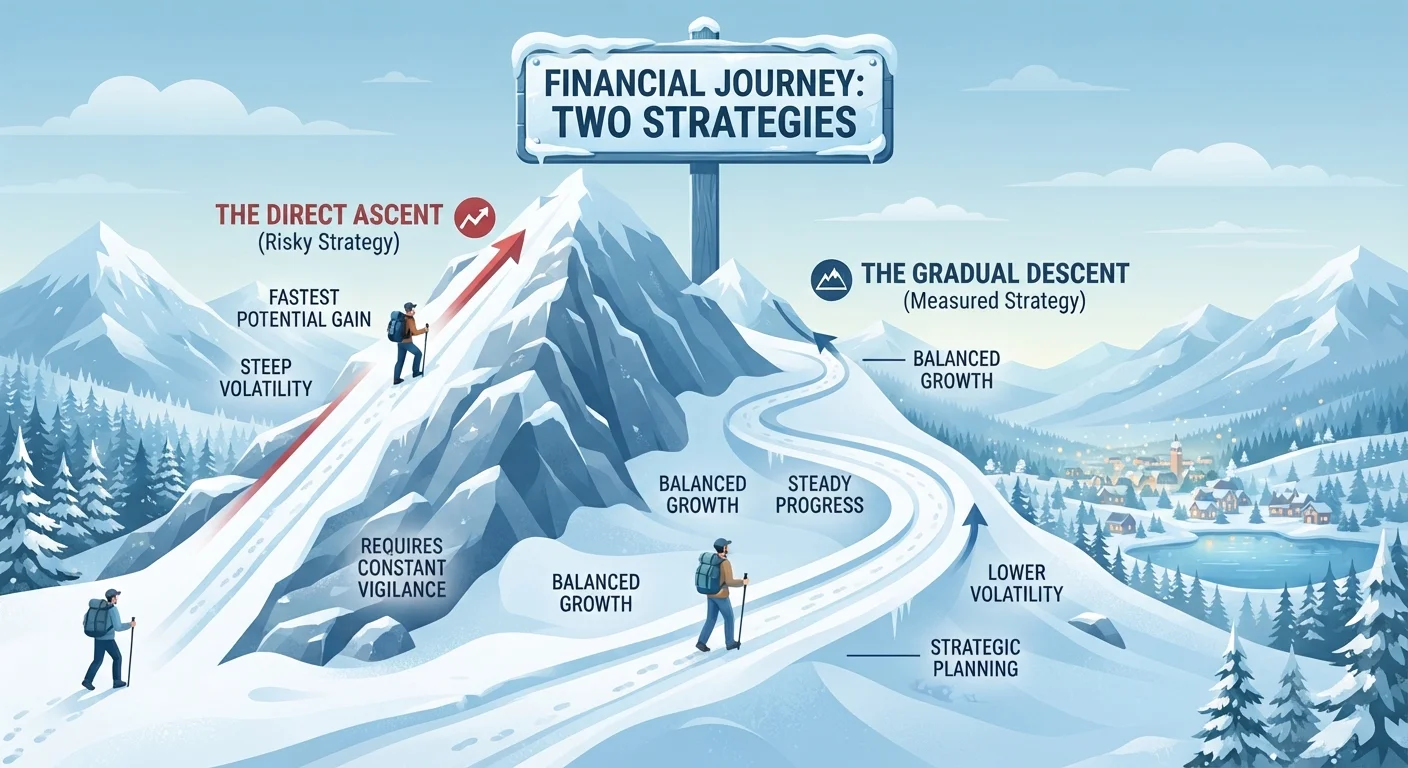
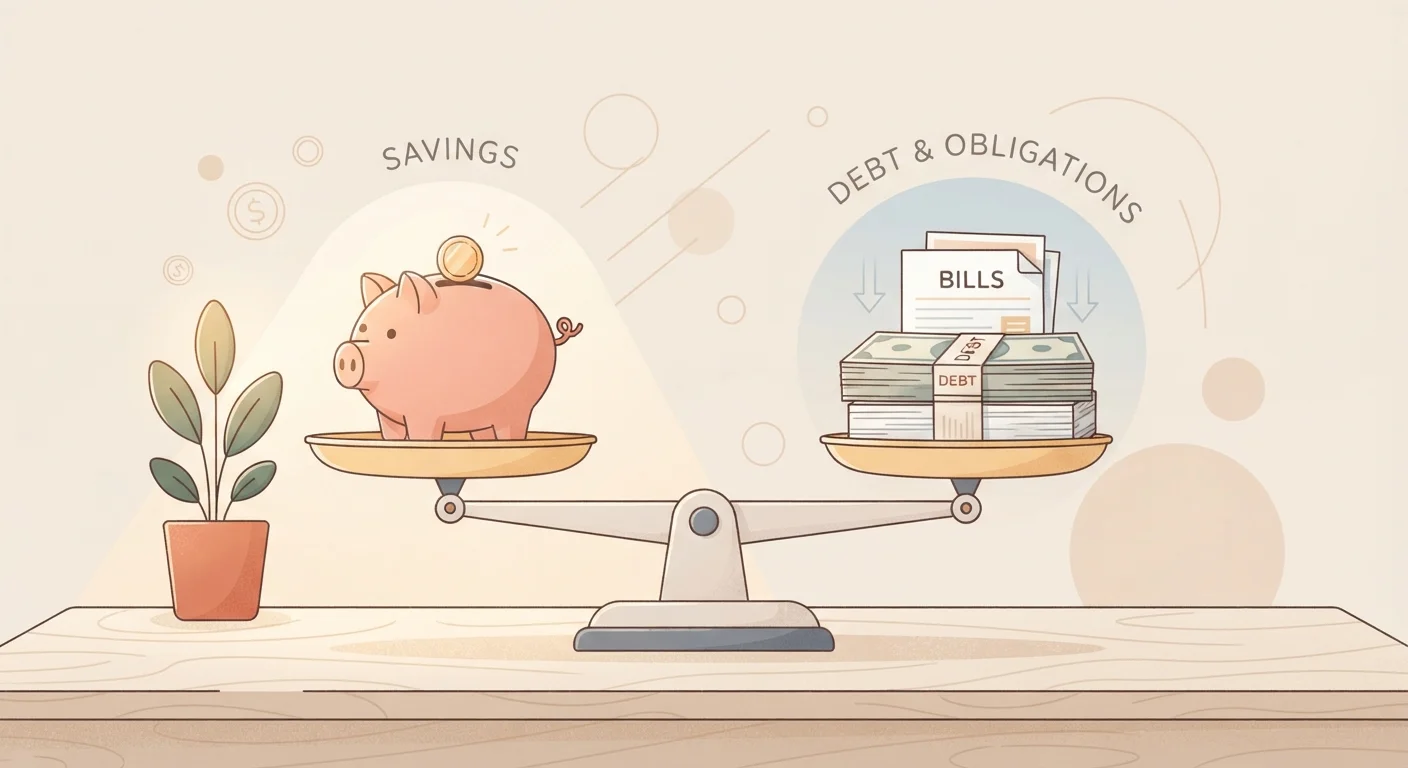
Consolidation is not appropriate for everyone, and in some cases it can make a debt situation materially worse. The risks deserve equal weight.
May cost more over the full loan term
A longer repayment period - even at a lower rate - can result in paying more total interest than you would have by aggressively repaying existing debts. Always run the numbers on total cost, not just monthly payment.
Doesn't change the behavior that created the debt
Borrowers who consolidate but continue using credit cards freely often end up with both a consolidation loan balance and new card debt - a materially worse position than before.
Qualification depends on creditworthiness
Borrowers with poor or damaged credit may not qualify for rates low enough to make consolidation worthwhile. The rates available to higher-risk applicants can exceed existing balances.
Fees can erode the financial benefit
Origination fees on personal loans, balance transfer fees (typically 3-5% of the transferred amount), and prepayment penalties on existing accounts can significantly reduce the savings you anticipated.
Secured consolidation puts assets at risk
Using home equity to consolidate unsecured debt converts that debt into a loan backed by your property. Failing to repay a home equity loan can result in foreclosure - a consequence that didn't exist with the original credit card debt.
Temporary credit score dip at application
Applying for a new loan triggers a hard inquiry on your credit report, and opening a new account reduces your average account age - both of which can cause a short-term score decrease.
Debt Type Matters for Consolidation Strategy
Not all debt is equally suited to consolidation. Federal student loans have their own consolidation and income-driven repayment programs separate from private lending markets. Mixing federal student loan debt into a private consolidation loan can permanently eliminate access to federal protections and forgiveness programs. If student loans are part of your debt picture, review the good debt vs. bad debt framework and consult a qualified adviser before consolidating.
When It Makes Sense - and When It Doesn't
Consolidation tends to work best when three conditions align: your new rate is genuinely lower than your weighted average current rate; your monthly cash flow is stable enough to sustain the new payment; and you've addressed - or are actively addressing - the spending patterns that built the original debt.
It is less suitable if your credit score has deteriorated to the point where qualifying rates aren't competitive, if you're close to paying off existing balances anyway, or if the consolidation loan's fees and extended term would result in paying more interest overall than your current trajectory.
Comparing consolidation against other repayment strategies is worthwhile. The avalanche and snowball methods are two structured approaches that may serve you better if your debts are manageable in number. You should also consider whether building an emergency fund alongside debt repayment makes sense - the emergency fund vs. debt payoff guide explores that trade-off in depth.
For broader context on how consolidation fits into a complete financial picture, the saving and debt management overview is a useful companion resource.
This article is for general informational and educational purposes only and does not constitute personalised financial, tax, or legal advice. Consult a qualified, licensed financial professional before making decisions about restructuring your debt.