
Why These Myths Persist
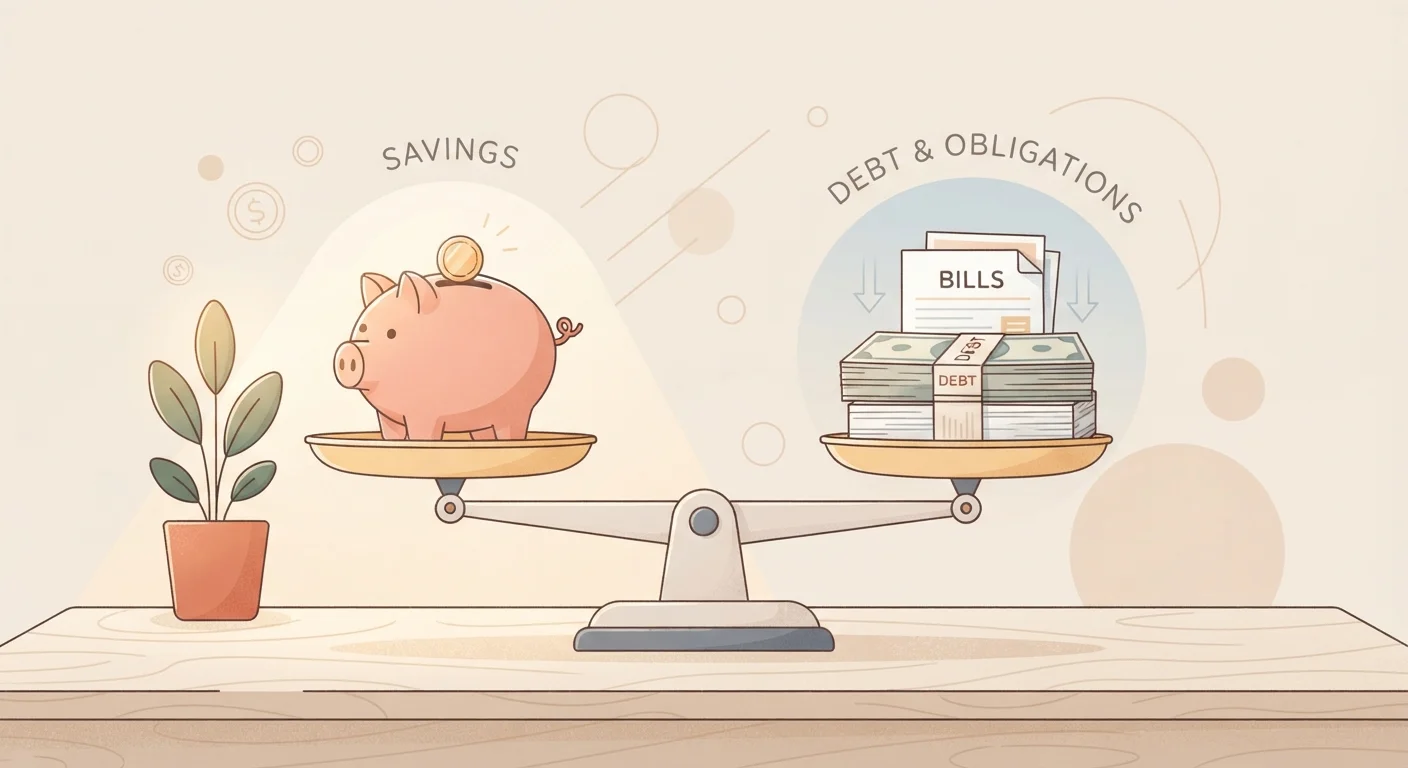
Debt repayment advice is everywhere, and so is the confusion it generates. Well-meaning but imprecise guidance has led many people to hesitate before paying off loans or credit card balances ahead of schedule. Some fear a credit score hit; others have been told they're better off investing. A few have heard vague warnings about "penalties."
Most of these concerns are either overstated or misunderstood. This article examines the most common misconceptions directly - because acting on faulty assumptions can cost you real money. For context on broader money habits, see our guide to everyday money moves.
Myth
Paying off a loan early will hurt my credit score.
Fact
Paying off debt rarely causes lasting credit score damage, and the overall effect on your finances is almost always positive.
This myth has a kernel of truth buried in it. Closing a credit account can slightly reduce your average account age or alter your credit mix - two factors in most scoring models. However, the impact is typically small and short-lived. Your payment history and credit utilization ratio carry far more weight, and eliminating a debt balance improves your utilization immediately.
For installment loans like personal loans or auto loans, the score effect of early payoff is usually negligible. The interest savings almost always outweigh any minor, temporary score fluctuation. If credit score impact genuinely concerns you, check your specific credit profile before deciding - but don't let this myth stop you from becoming debt-free.
Myth
All loans have prepayment penalties, so paying early costs more.
Fact
Many loans - including most federal student loans and a growing share of personal loans - have no prepayment penalty at all.
Prepayment penalties do exist, but they are far from universal. Federal student loans carry no prepayment penalty by law. Many personal loan lenders have also moved away from them. Mortgages originated under certain federal programs are prohibited from including prepayment penalties after a set period.
The practical step here is simple: read your loan agreement before making extra payments. Look for terms like "prepayment penalty," "early repayment fee," or "redemption charge." If you find one, calculate whether the interest savings still outweigh the fee - often they do, especially for long-remaining loan terms. Never assume a penalty exists without checking.
Myth
You're always better off investing extra money than paying off debt.
Fact
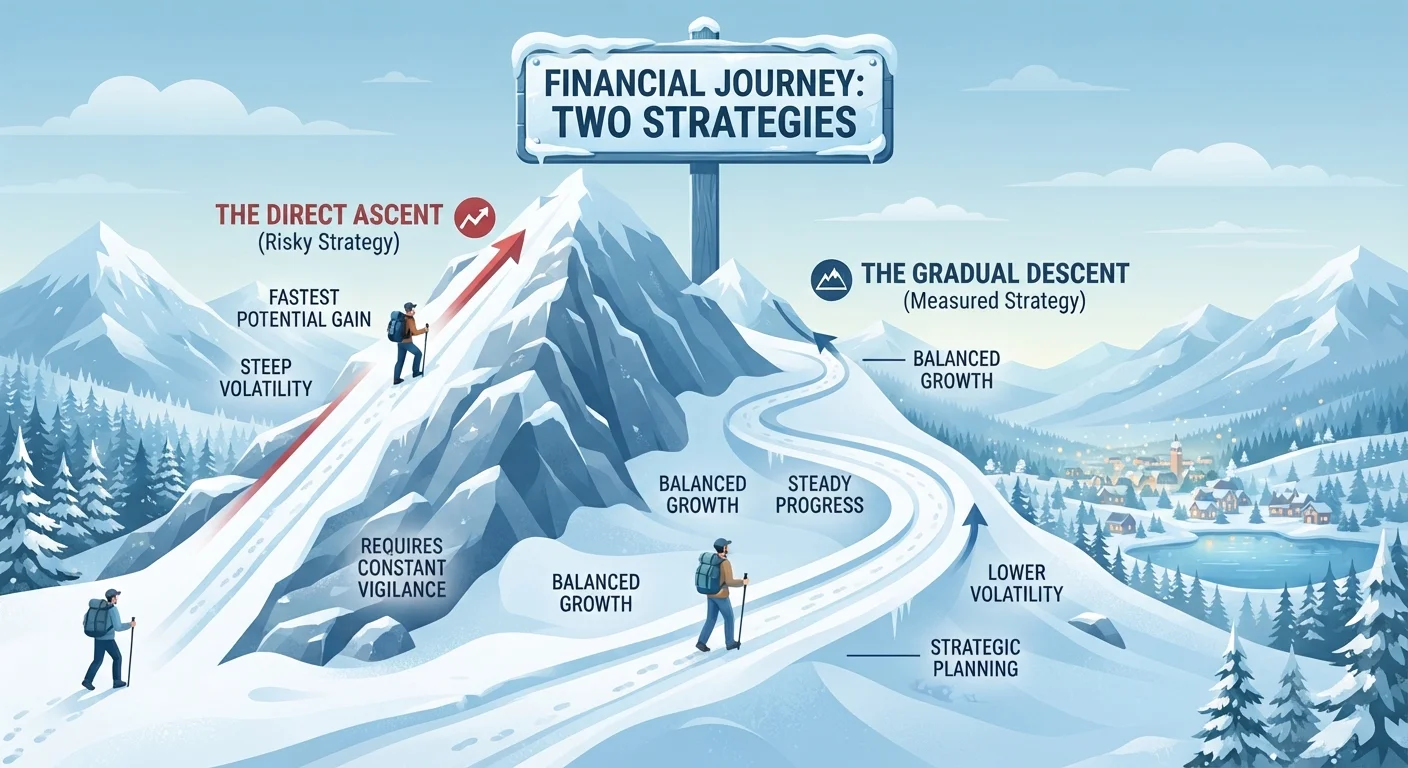
Whether investing beats early repayment depends entirely on the interest rate of your debt relative to realistic expected investment returns.
The "invest instead" argument assumes your expected investment return will consistently exceed your debt's interest rate - a reasonable logic at low rates, but not a guarantee. High-interest debt, such as credit card balances averaging well above 20% APR, is nearly impossible to beat through investing on a risk-adjusted basis.
For lower-rate debt - say, a mortgage below 4% - the math may favor investing, though market returns are never guaranteed. Past performance does not predict future results. The psychological burden of carrying debt is also a real cost that pure arithmetic ignores. Understanding the broader distinction between types of borrowing can help; see our piece on what good debt and bad debt actually mean.
Myth
Paying off debt early doesn't matter much if you're already making on-time payments.
Fact
On-time payments prevent penalties, but they don't stop interest from accumulating - early payoff directly reduces the total cost of borrowing.
Making payments on time is the baseline, not the finish line. Interest continues to accrue on the outstanding principal every month. Depending on the loan type and rate, the total interest paid over a full loan term can rival a significant portion of the original borrowed amount.
Even modest additional principal payments - made consistently - can shorten a loan term meaningfully and reduce total interest. Our article on why paying the minimum costs far more than you think illustrates how this plays out in practice with credit cards specifically.
Myth
Debt consolidation is the same as paying off debt early.
Fact
Debt consolidation restructures what you owe; it doesn't reduce your principal and may extend the repayment period if not managed carefully.
Consolidation can be a useful tool - combining multiple balances into a single, lower-rate loan can simplify repayment and reduce monthly interest costs. But it doesn't eliminate debt; it reorganizes it. Some borrowers extend their repayment timeline in the process, ultimately paying more in total interest even at a lower rate.
Early payoff, by contrast, directly reduces outstanding principal and the interest calculated on it. The two strategies are not interchangeable. For a full breakdown of how consolidation works and when it makes sense, see our guide on debt consolidation explained.
What to Consider Before Paying Off Early
Knowing the myths is only the first step. The decision to pay down debt ahead of schedule depends on a few concrete factors: your interest rate, whether a prepayment penalty exists, and how much liquid savings you have on hand.
Check for Prepayment Penalties First
Before making a large lump-sum payment or paying off a loan entirely, review your loan agreement for any early repayment or prepayment penalty clauses. While many loan types no longer include them, some personal loans and older mortgage products still do. Knowing the fee in advance lets you calculate whether early payoff still saves you money overall.
High-interest debt - particularly credit card balances - is almost always worth eliminating as quickly as possible. Understanding how minimum payments compound the problem is essential; our article on why minimum payments keep you in debt longer breaks down the math clearly.
For lower-interest debt like a federal student loan or a fixed-rate mortgage, the calculus is less clear-cut. You may also want to weigh whether building an emergency fund should take priority. Our piece on emergency fund vs. paying off debt walks through those trade-offs in detail.
20%+
Average U.S. credit card APR
According to Federal Reserve data, average credit card interest rates have exceeded 20% APR in recent years, making early payoff especially impactful for card holders.
3-5 yrs
Time saved by paying extra on a 30-year mortgage
Consumer Financial Protection Bureau educational resources indicate that consistent additional principal payments on a typical mortgage can shorten the loan term by several years.
If you carry multiple balances, comparing structured strategies can help. The avalanche vs. snowball methods each offer distinct advantages depending on your personality and financial picture. Whatever approach you choose, acting on accurate information - not myth - is the foundation.
This article is for general informational and educational purposes only and does not constitute personalized financial, tax, or legal advice. Consult a qualified financial professional before making decisions about your own debt repayment strategy.