How Minimum Payments Are Actually Calculated
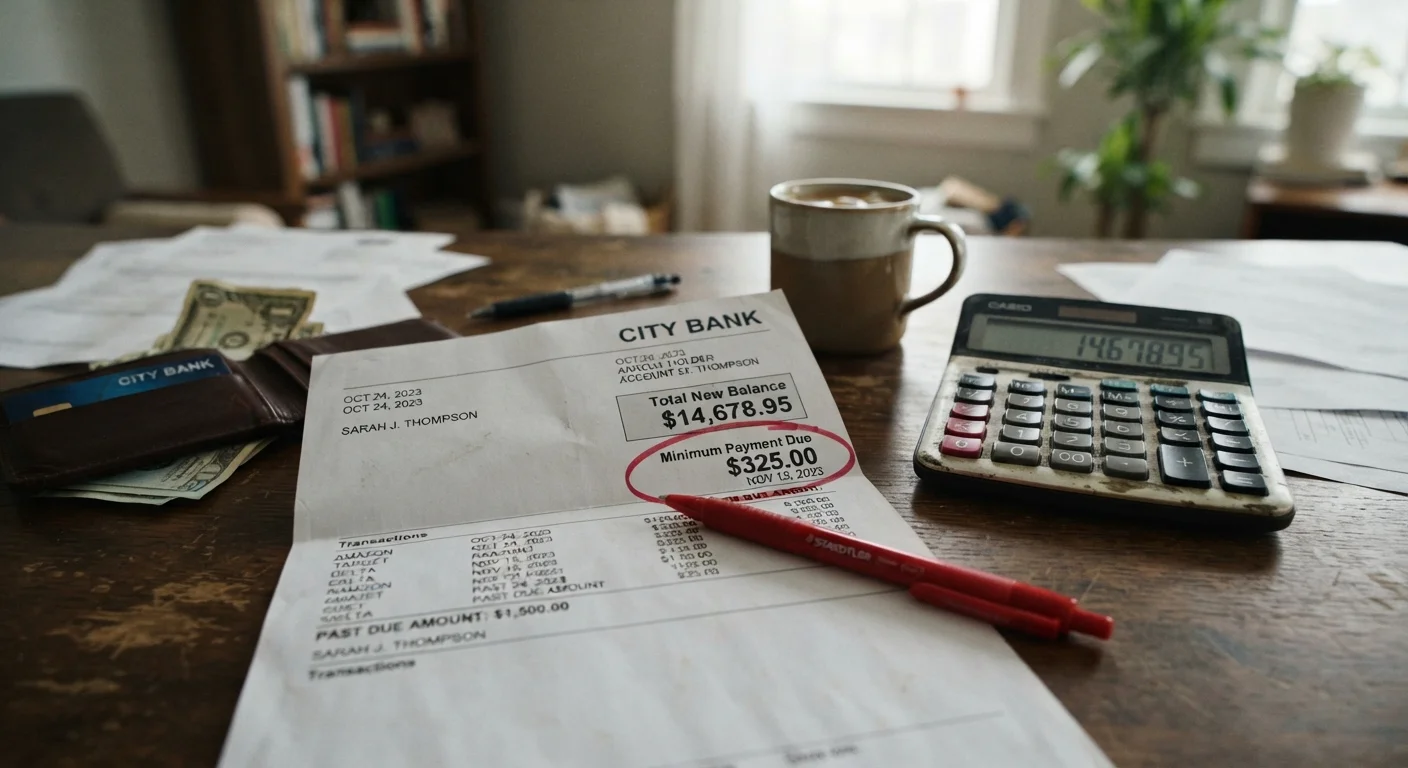
Credit card issuers typically calculate your minimum payment in one of two ways: a flat dollar amount (often $25 or $35), or a small percentage of your outstanding balance - commonly 1% to 2% - whichever is greater. Some issuers add that month's interest and fees to the percentage calculation.
Because the minimum is tied to your balance, it shrinks as the balance falls. That sounds helpful, but it means your monthly payment keeps declining right alongside your debt - slowing payoff to a crawl. This structure, sometimes called a declining minimum, is mathematically engineered to extend your repayment timeline. For a plain-language explanation of terms like APR and compound interest, see the high-interest debt glossary built for this exact purpose.
10+ years
Typical payoff timeline on minimum-only payments
Consumer Financial Protection Bureau analyses have illustrated that a modest credit card balance paid at minimums can remain outstanding for a decade or more.
~20%
Average credit card APR in recent years
Federal Reserve data has tracked average credit card interest rates rising significantly in recent years, amplifying the cost of carrying balances.
The Real Cost Hidden in the Fine Print
Interest on most credit cards compounds daily based on your APR divided by 365. That means every day you carry a balance, a small interest charge accrues - and the next day's interest is calculated on the slightly higher total. Over months and years, this compounding effect is substantial.
Consider a $3,000 balance at 20% APR. Paying only the minimum each month, a cardholder could spend well over ten years retiring that debt and pay more in interest than the original balance itself. Paying a fixed $100 per month instead - more than the starting minimum - could cut both the timeline and total interest paid dramatically. The exact figures vary by issuer and payment timing, but the directional impact is consistent and significant.
Daily Compounding Accelerates Your Balance
Most credit cards calculate interest daily, not monthly. That means even the few days between your payment posting and your next statement cycle add to your balance. Paying early in your billing cycle - rather than on the due date - can marginally reduce the average daily balance on which interest is calculated. Small timing adjustments add up over a multi-year payoff.
Mistakes That Keep Borrowers Stuck
Understanding the problem is one thing; recognising the specific habits that perpetuate it is another. The mistakes below are among the most common - and most correctable - errors people make when managing revolving credit card debt.
Treating the minimum payment as the intended payment rather than a safety net.
Why it happens: Card statements present the minimum prominently, and paying it on time feels responsible - so many cardholders assume it's a reasonable repayment pace.
Continuing to spend on a card while trying to pay it down.
Why it happens: Without a clear spending boundary, it's easy to make a payment one week and add new charges the next, effectively running in place.
Ignoring the APR because the minimum feels affordable.
Why it happens: A $45 minimum payment on a $2,500 balance feels manageable month to month, masking just how much of that payment is consumed by interest charges.
Making lump-sum extra payments sporadically instead of consistently paying more each month.
Why it happens: People intend to use tax refunds or bonuses to knock down debt, but irregular windfalls don't offset the daily interest compounding between those moments.
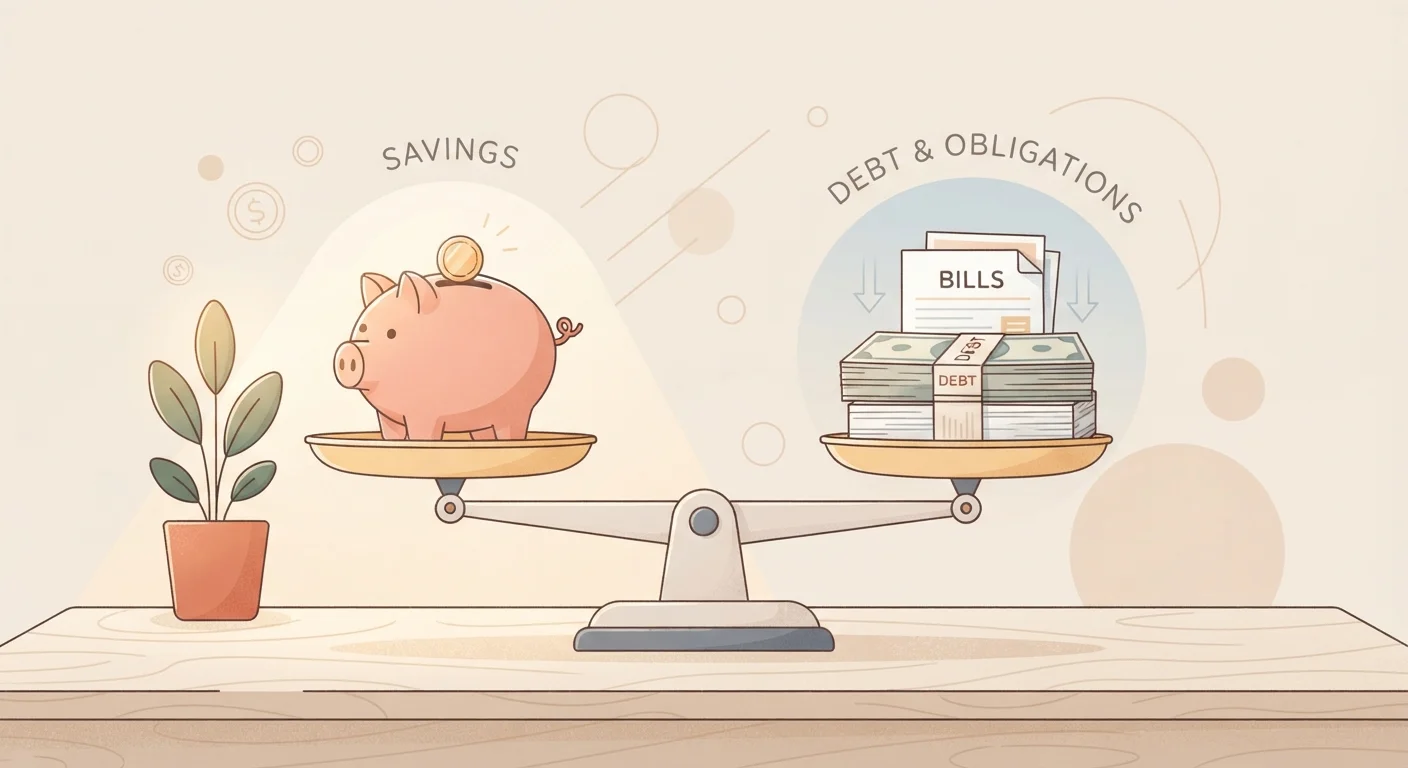
If you're weighing whether to redirect extra cash toward debt or toward savings, the decision involves real trade-offs. The article Emergency Fund vs. Paying Off Debt walks through the key considerations honestly.
Practical Steps to Pay Down Debt Faster
The most reliable method is straightforward: pay more than the minimum, and keep that payment amount fixed even as your balance declines. Fixing your payment at the amount you paid in month one - rather than letting it drop - channels progressively more money toward principal as interest charges shrink.
Two widely discussed payoff frameworks are the avalanche method (targeting the highest-interest balance first to minimise total interest paid) and the snowball method (targeting the smallest balance first for psychological momentum). Neither is universally superior; the best approach is the one you'll stick to. There are also common misconceptions about paying off debt early worth reading before you assume extra payments come with penalties or credit-score risks.
Balance Transfers Aren't a Free Pass
Moving debt to a 0% introductory APR card can reduce interest costs, but transfer fees (commonly 3%-5% of the balance) apply immediately, and the promotional rate expires. If the balance isn't paid before the promotional period ends, remaining debt reverts to the card's standard APR - which can be high. Understand the full terms before pursuing this strategy, and consider speaking with a financial adviser.
This article provides general financial education and is not personalised financial, tax, or legal advice. For guidance specific to your situation, consult a qualified, licensed financial professional.