What the Research Says About Spending Behaviour
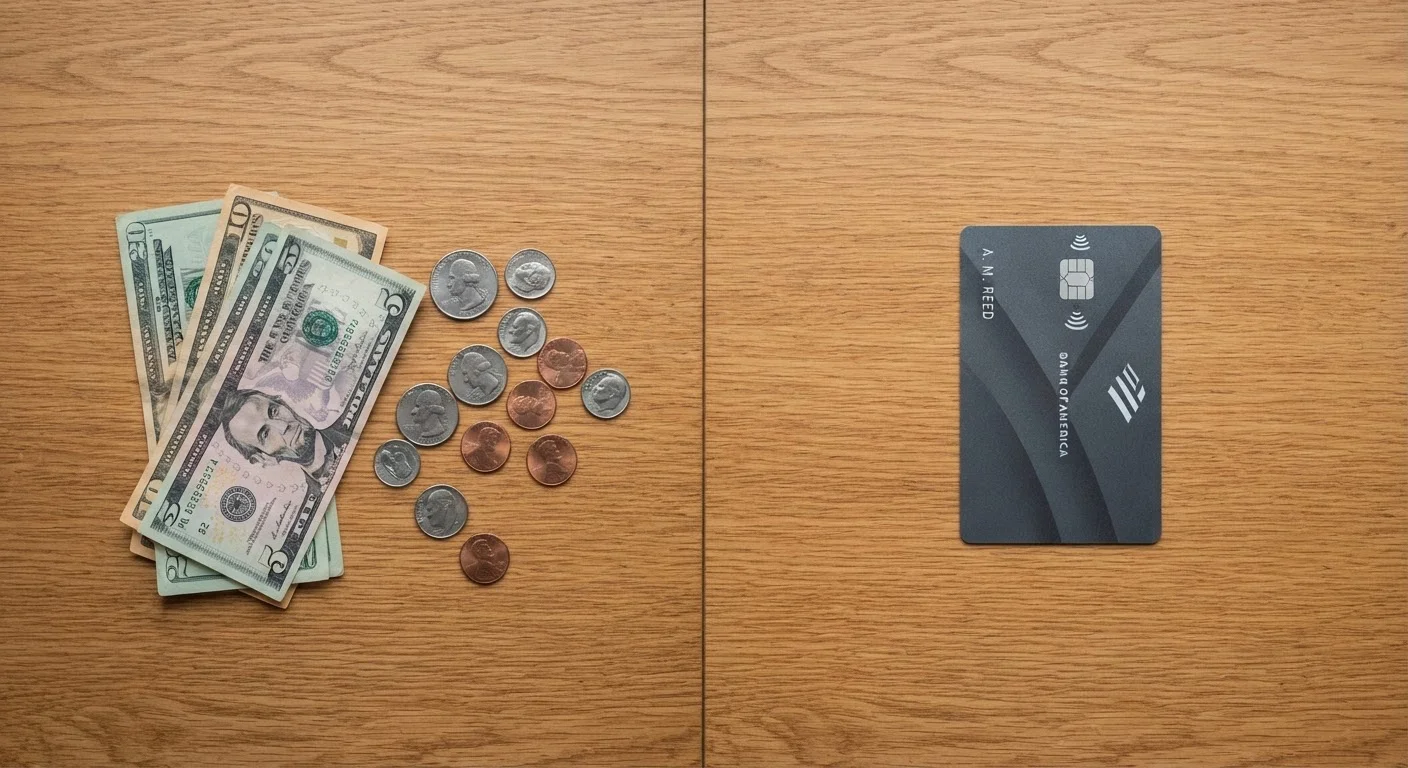
Decades of consumer research point in a consistent direction: people tend to spend more when paying by card than by cash. Behavioural economists describe this as the "pain of paying" - the mild psychological discomfort of physically handing over money that slows spending decisions. When that friction disappears with a tap or swipe, so does the natural check on impulse purchases.
Studies published in peer-reviewed journals, including research associated with MIT's Sloan School of Management, have found that card payments can lead to measurably higher transaction amounts compared with cash for equivalent goods. This effect is not trivial over time. If your daily discretionary spending runs even 10-15% higher because of payment method, the monthly and annual totals compound significantly.
That said, research also shows the effect varies by individual. People who actively budget and monitor transactions may not experience the same behavioural gap. Context matters: the payment method that keeps you disciplined is the one worth using. For a broader look at how small habits silently drain budgets, see how everyday behaviours accumulate into financial leakage.
| Criterion | Cash | Card |
|---|---|---|
| Spending control | Hard limit; empty wallet stops spending | Soft limit; easy to overspend |
| Fraud protection | None - lost cash is unrecoverable | Strong; zero-liability policies typical |
| Spending records | None unless manually tracked | Automatic digital statements |
| Interest or fees | None | Credit cards: high interest if balance carried |
| Online & auto payments | Not usable | Fully compatible |
| Behavioural friction | High - physical handover slows spending | Low - tap-and-go removes friction |
| Rewards potential | None | Yes, but only if paid in full monthly |
Practical Strengths and Weaknesses of Each Method
Cash strengths: A fixed wallet amount acts as a hard spending cap for the day or week. There are no fees, no interest charges, and no data collected about your purchases. For people who find digital tracking abstract, a thinning wallet is an immediate, visceral signal to slow down.
Cash weaknesses: Lost or stolen cash is gone permanently - there is no fraud protection or recourse. It creates no spending record, making it harder to review where money went. Cash is also increasingly impractical for online purchases, automatic bill payments, and some retailers that have moved to card-only checkout.
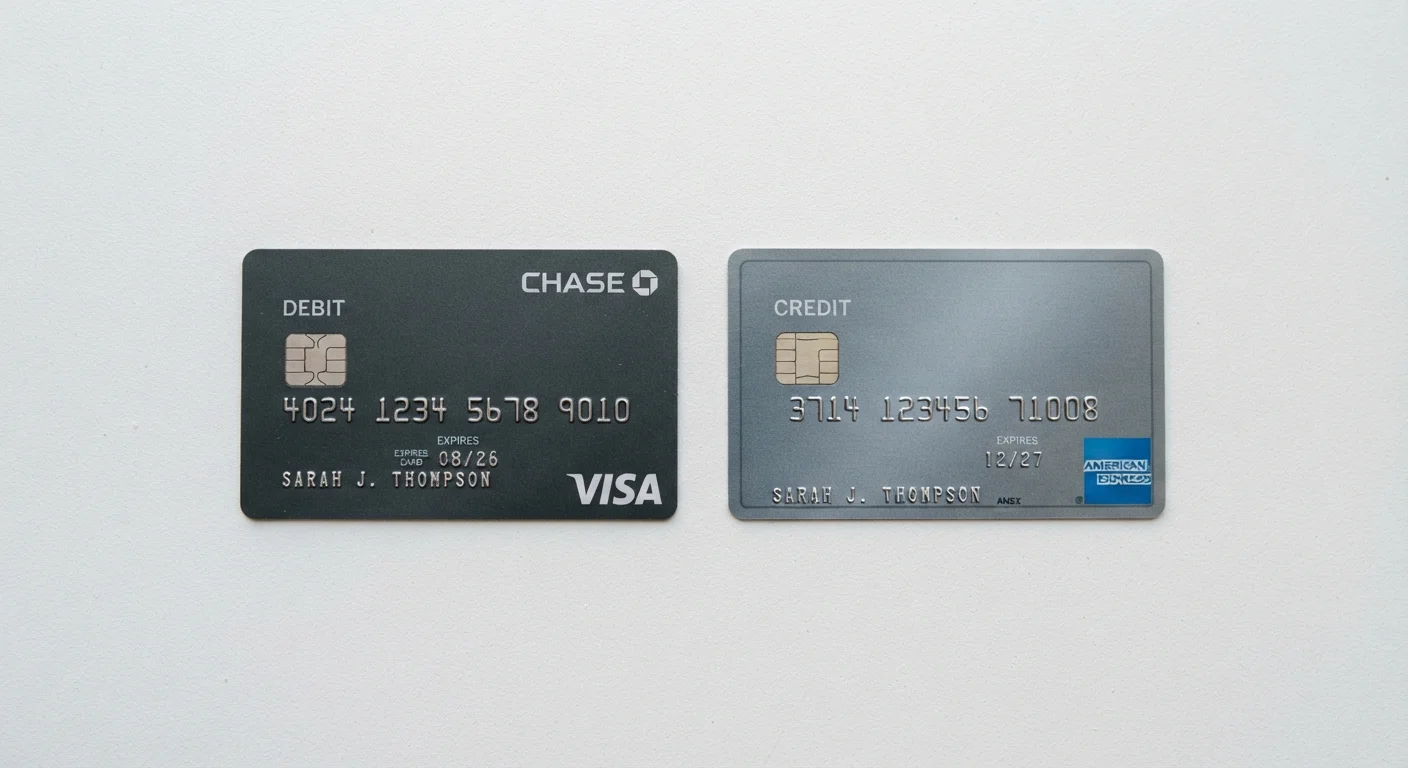
Card strengths: Most debit and credit cards come with zero-liability fraud protection, meaning unauthorized charges can be disputed. Statements provide an automatic spending log that integrates with budgeting apps. Credit cards, when paid in full monthly, may offer travel protections, extended warranties, and rewards - though those benefits only make financial sense if you are not carrying a balance. If you are weighing debit versus credit specifically, the real trade-offs between debit and credit are worth examining separately.
Card weaknesses: The ease of card use is precisely what makes overspending more likely. Contactless payments in particular remove almost all friction. Credit card interest rates are among the highest consumer borrowing rates available, meaning any unpaid balance rapidly erodes any perceived benefit.
~83%
U.S. adults who used card payments regularly
According to Federal Reserve payments data, the vast majority of American consumers rely on debit or credit cards as their primary payment method for everyday transactions.
12-18%
Estimated spending increase with card vs. cash
Multiple behavioural economics studies suggest card users spend meaningfully more per transaction on average compared to cash users in equivalent purchasing scenarios.
~$6,500
Average U.S. household credit card balance
Federal Reserve data indicates that a significant share of American households carry revolving credit card balances, which accrue interest at rates that can exceed 20% annually.
Building a Hybrid Approach That Works
For most people, the practical answer is not an all-or-nothing choice. A hybrid strategy - allocating cash to specific high-temptation categories while using cards for fixed, predictable expenses - captures the behavioural discipline of cash where it matters most without sacrificing the convenience and protection of cards elsewhere.
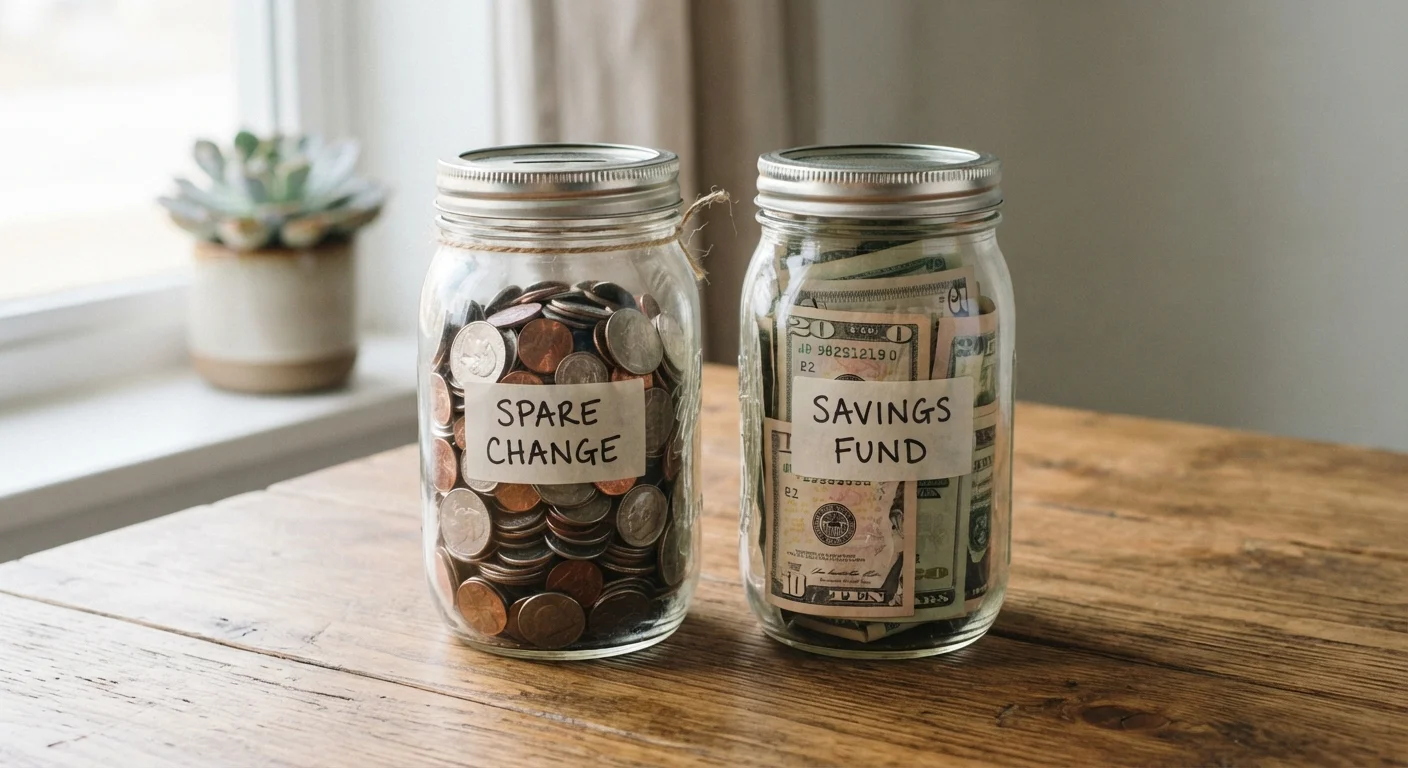
A workable structure: use card for rent, utilities, subscriptions, and groceries (predictable spending where you can monitor the total easily), and carry a defined cash budget for dining out, entertainment, and personal spending. When the cash runs out for that category, spending stops. This mirrors the "envelope budgeting" method that financial coaches have long recommended for its simplicity and effectiveness.
If you use card payments for routine spending, pairing them with an automatic saving habit can convert that convenience into a wealth-building tool. Round-up savings versus fixed transfers is worth reviewing to understand which automatic saving method fits your transaction patterns. For anyone carrying existing debt, it is also worth considering how spending method interacts with your broader priorities - whether to build savings or pay down debt first is a foundational question that shapes which approach makes the most sense.
The Method That Fits Your Habits Wins
Neither cash nor card is objectively superior for every person. The evidence shows cash reduces discretionary overspending on average, but that average masks wide individual variation. If you consistently pay your card balance in full and track spending diligently, cards can be equally disciplined. Self-knowledge about your own spending triggers is the most important variable in this decision.
This article is for general informational purposes only and does not constitute personalised financial advice. For guidance specific to your financial situation, consider consulting a qualified financial professional.