Know Where Your Water Comes From
Your home's plumbing system has two distinct sides: the supply side, which delivers pressurized fresh water in, and the drain-waste-vent (DWV) side, which carries used water out. Water enters from either a municipal main or a private well, passes through a meter, and then branches through the house via a network of supply pipes - typically copper, CPVC, or flexible PEX tubing in modern homes.
Understanding this basic layout helps you think clearly during a problem. When a pipe drips or a fixture misbehaves, knowing which side of the system is involved tells you what tools and approach you need. This foundational knowledge is covered in more depth in our first-time homeowner's primer.
Shut-Off Valves: Your First Line of Defense
Every homeowner should know the location of at least two shut-off points:
- The main shut-off valve - usually near where the supply line enters the house (basement, crawl space, or utility closet). Turning this stops all water flow to the entire home.
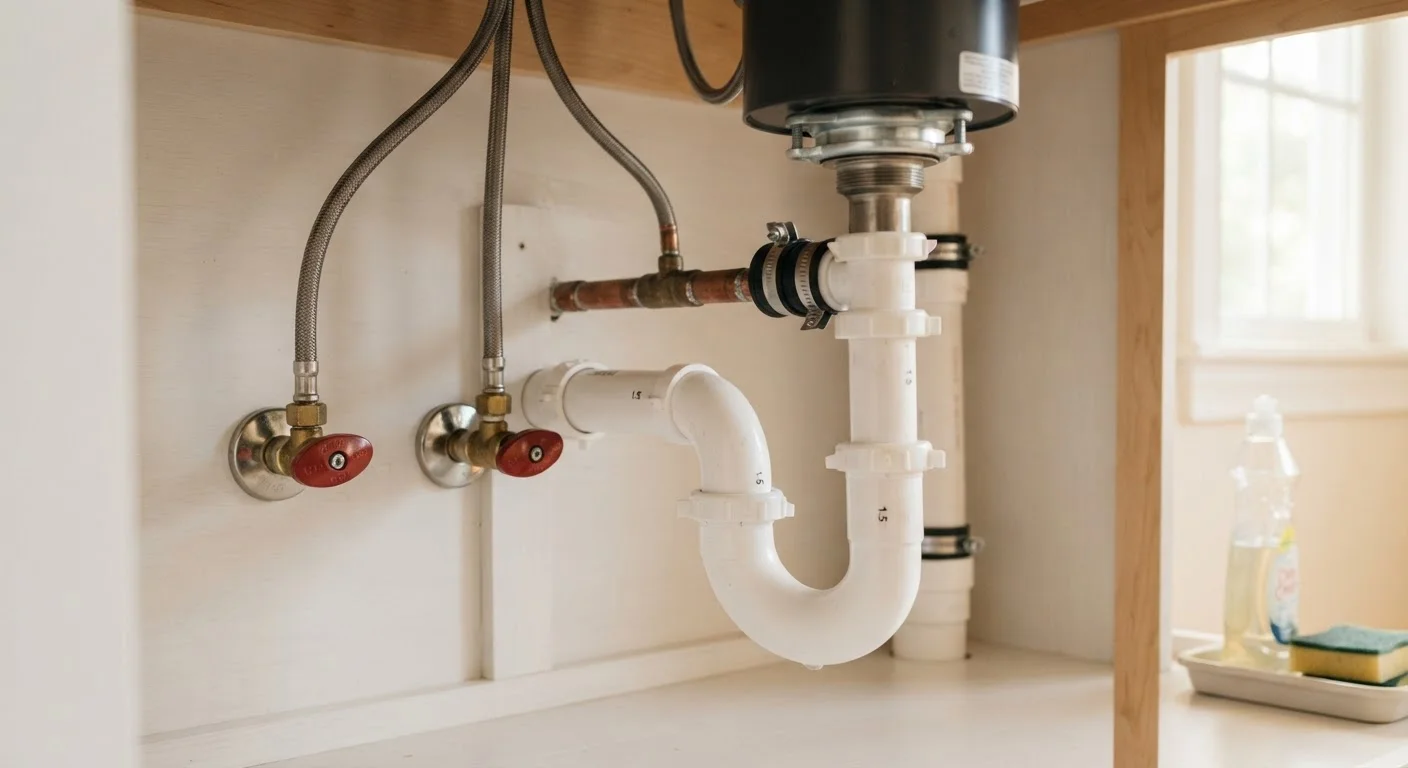
- Fixture-level shut-offs - the small oval or straight valves under sinks, behind toilets, and near appliances. These let you isolate one fixture without cutting off the whole house.
Walk through your home today and locate each of these. Turn fixture shut-offs slowly to confirm they move freely - valves that haven't been operated in years can seize or leak when finally turned under pressure.
Label Your Shut-Off Valves Now
Use durable adhesive labels or zip-tied tags to identify every fixture shut-off valve in your home. Include the fixture name (e.g., 'Kitchen Sink Hot') and the direction to close. This five-minute task saves critical time during a leak emergency and helps any plumber working in your home locate valves quickly.
After locating your main shut-off, label it clearly with a tag or a piece of bright tape. In a burst-pipe emergency, anyone in the household - not just you - needs to be able to find and operate it within seconds.
Understanding Water Pressure
Water pressure is measured in psi. For most residential homes, the ideal operating range is 40-80 psi. Pressure below 40 psi results in weak flow at faucets and showerheads. Pressure above 80 psi stresses pipe joints, appliance hoses, and water heater connections - accelerating wear and increasing leak risk.
40-80 psi
Safe residential water pressure range
The U.S. Environmental Protection Agency and plumbing industry standards generally identify this range as appropriate for home supply systems.
~10,000 gallons
Water wasted yearly by a single dripping faucet
The EPA's WaterSense program estimates that household leaks - including dripping faucets - waste nearly 1 trillion gallons nationally each year.
Up to 200 gallons/day
Wasted by a continuously running toilet
According to EPA WaterSense estimates, a single running toilet can waste between 20 and 200 gallons of water per day depending on severity.
A pressure reducing valve (PRV) - installed on the supply line where it enters the home - regulates incoming municipal pressure down to a safe level. If you notice banging pipes (a phenomenon called water hammer), pinhole leaks in copper lines, or appliance hoses that fail repeatedly, high pressure is often the culprit. A simple pressure gauge that threads onto any hose bib (outdoor spigot) costs only a few dollars at a hardware store and gives you an instant reading. If your reading falls outside the normal range, have a licensed plumber inspect or adjust the PRV.
How Drainage and Venting Work
The DWV system relies on gravity and air. Wastewater flows downhill through sloped drain pipes to the sewer or septic system. Each fixture drain connects to a P-trap - the curved section of pipe visible under sinks - which holds a small amount of water to block sewer gases from entering the home.
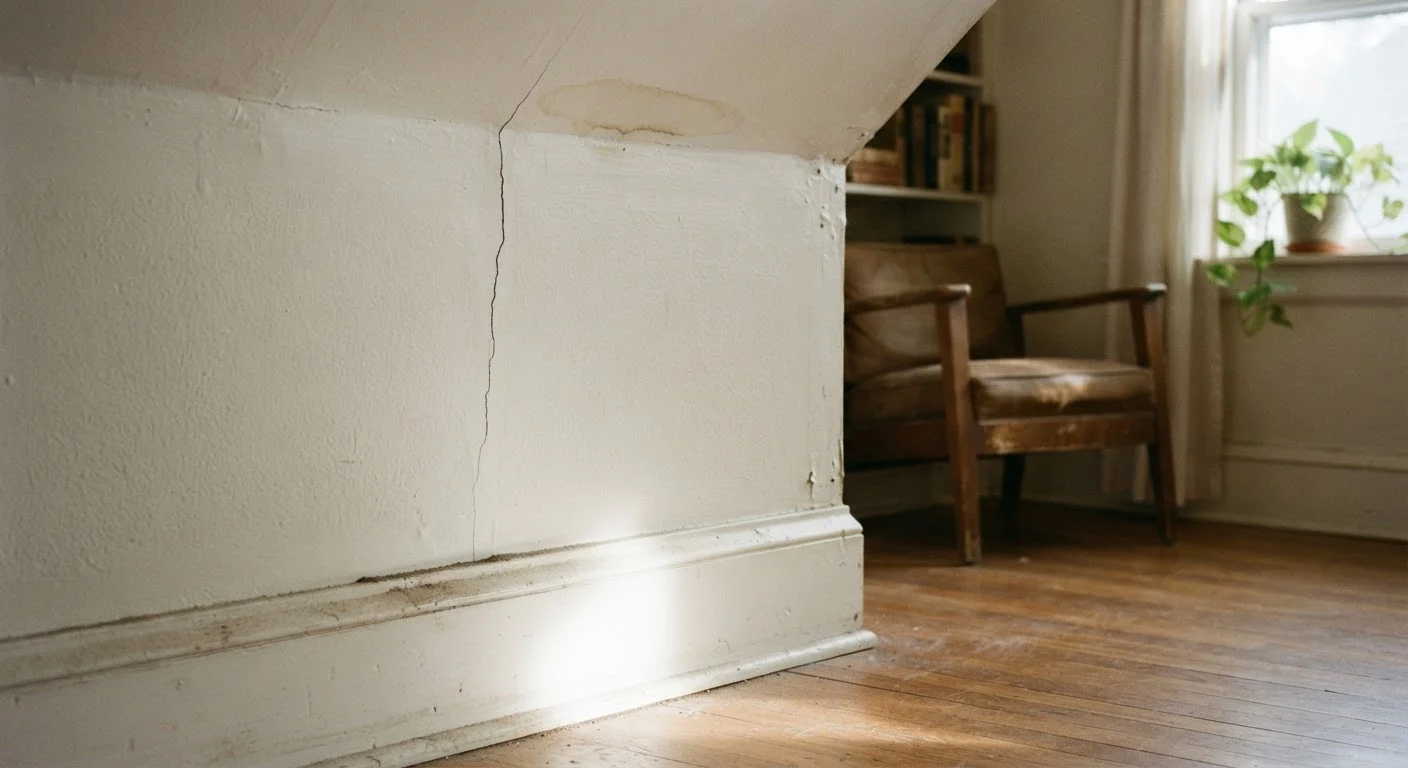
Equally important are vent pipes, which run up through the walls and exit through the roof. Vents supply air behind flowing water so it drains smoothly, and they allow sewer gases to escape safely outside rather than backing up into living spaces. A gurgling drain or a toilet that bubbles when another fixture drains nearby often signals a partially blocked or improperly installed vent. These symptoms are also worth cross-referencing with early warning signs of hidden home damage.
Once a year, pour a cup of water into floor drains and infrequently used sink drains. This refills the P-trap, which can dry out and allow sewer gas to seep into the home.
P-traps rely on a standing water seal to block gases. Rarely used drains - guest bathroom sinks, basement floor drains - can evaporate dry within weeks in a heated home.
If you're buying an older home, ask the inspector specifically about the age and material of the supply and drain lines. Galvanized steel pipes from before the 1970s corrode from the inside out and may look fine externally while severely restricting flow.
Internal corrosion in galvanized pipe is invisible until it either bursts or causes dramatically reduced pressure - both of which are expensive surprises in a home you've just purchased.
Common Issues You Can Safely Handle
Many everyday plumbing problems fall well within a careful homeowner's skill set:
- Slow or clogged drains
- A drain snake (hand auger) or a cup plunger clears most bathroom and kitchen clogs without chemicals. Avoid caustic drain cleaners regularly - they can degrade older pipes and P-trap seals over time.
- Running toilet
- Most running toilets stem from a worn flapper or a misadjusted float arm inside the tank. Replacement flappers are inexpensive and snap in without tools. Lift the tank lid, observe the mechanism, and compare it to the manufacturer's diagram - usually printed inside the lid.
- Dripping faucet
- A dripping faucet typically means a worn washer or O-ring in compression-style faucets, or a worn cartridge in single-handle designs. Shut off the fixture supply valve first, then disassemble the handle carefully. Take worn parts to a hardware store to match the replacement.
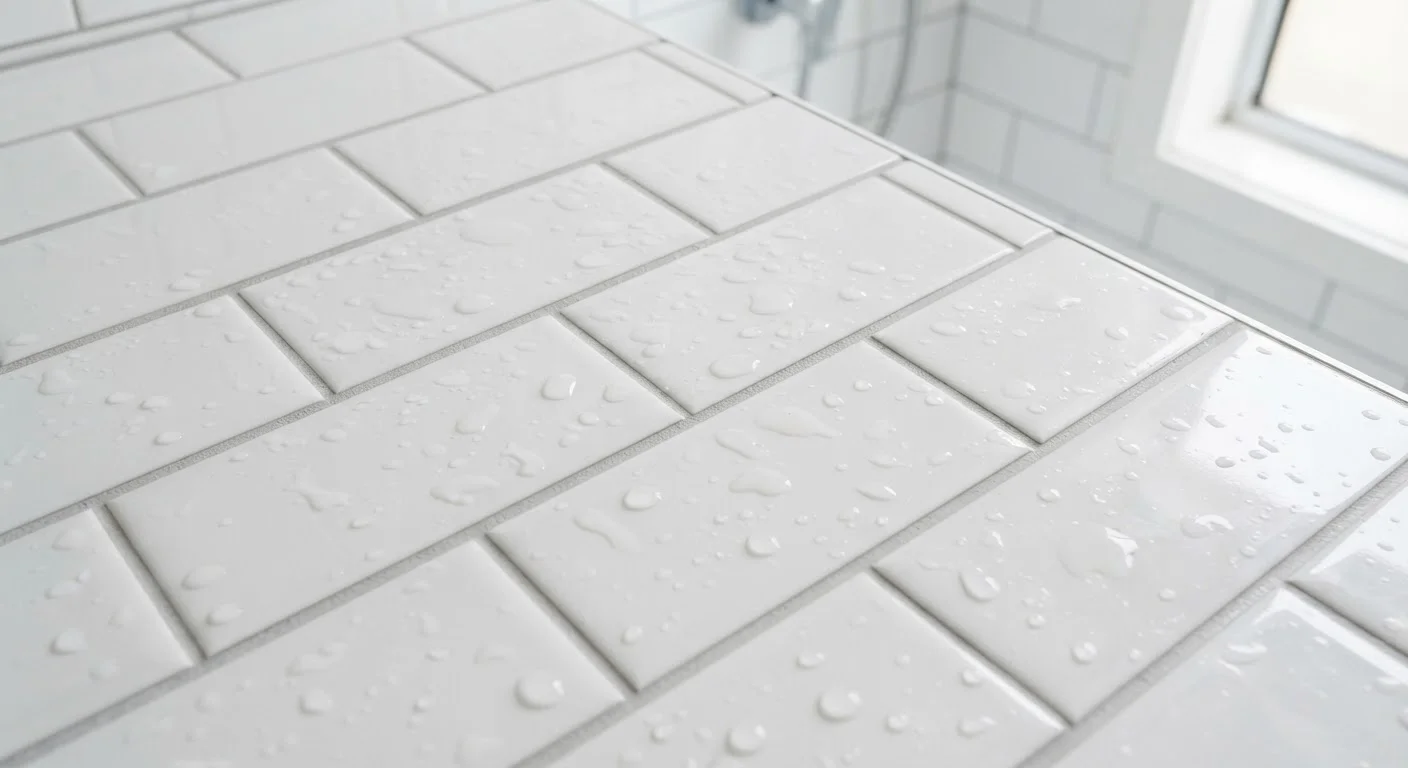
Bathroom maintenance pairs naturally with these skills - keeping grout and tile sealed reduces water intrusion that often masks slow drain leaks.
Avoid Over-Relying on Chemical Drain Cleaners
Liquid drain cleaners can provide temporary relief for minor clogs but are corrosive to older galvanized steel and chrome P-traps, and dangerous if they splash back. Repeated use may cause more harm than good. For persistent or recurring clogs, a drain snake or professional hydro-jetting is a safer, more effective solution.
When to Call a Licensed Plumber
Some plumbing work carries real risk of injury, property damage, or code violations if handled without proper training and permits. Always hire a licensed plumber for:
- Any work inside walls or floors involving supply or drain lines
- Water heater installation, repair, or replacement (especially gas units)
- Sewer line inspection, repair, or replacement
- PRV replacement or pressure testing of the main supply
- New fixture rough-in or remodel-related plumbing
Attempting these tasks without permits can create complications during home sales and may void homeowner's insurance coverage for resulting damage. The financial case for professional work is straightforward - deferred or improperly done repairs compound quickly, as explored in the real cost of skipping routine home maintenance.
Permits and Codes Are Not Optional
Many plumbing repairs beyond basic fixture maintenance require a permit and inspection under local building codes. Unpermitted work can complicate home sales, invalidate warranties, and create liability if a subsequent failure causes water damage. Before starting any project beyond a faucet swap or toilet flapper, check with your local building department to understand what's required in your jurisdiction.
This article is for general informational and educational purposes only. Plumbing codes, permit requirements, and recommended practices vary by municipality. Always verify local requirements and consult a licensed plumbing professional before undertaking work that involves supply lines, drain systems within walls, or any gas or water heater connections.