Why Proactive Weatherproofing Pays Off
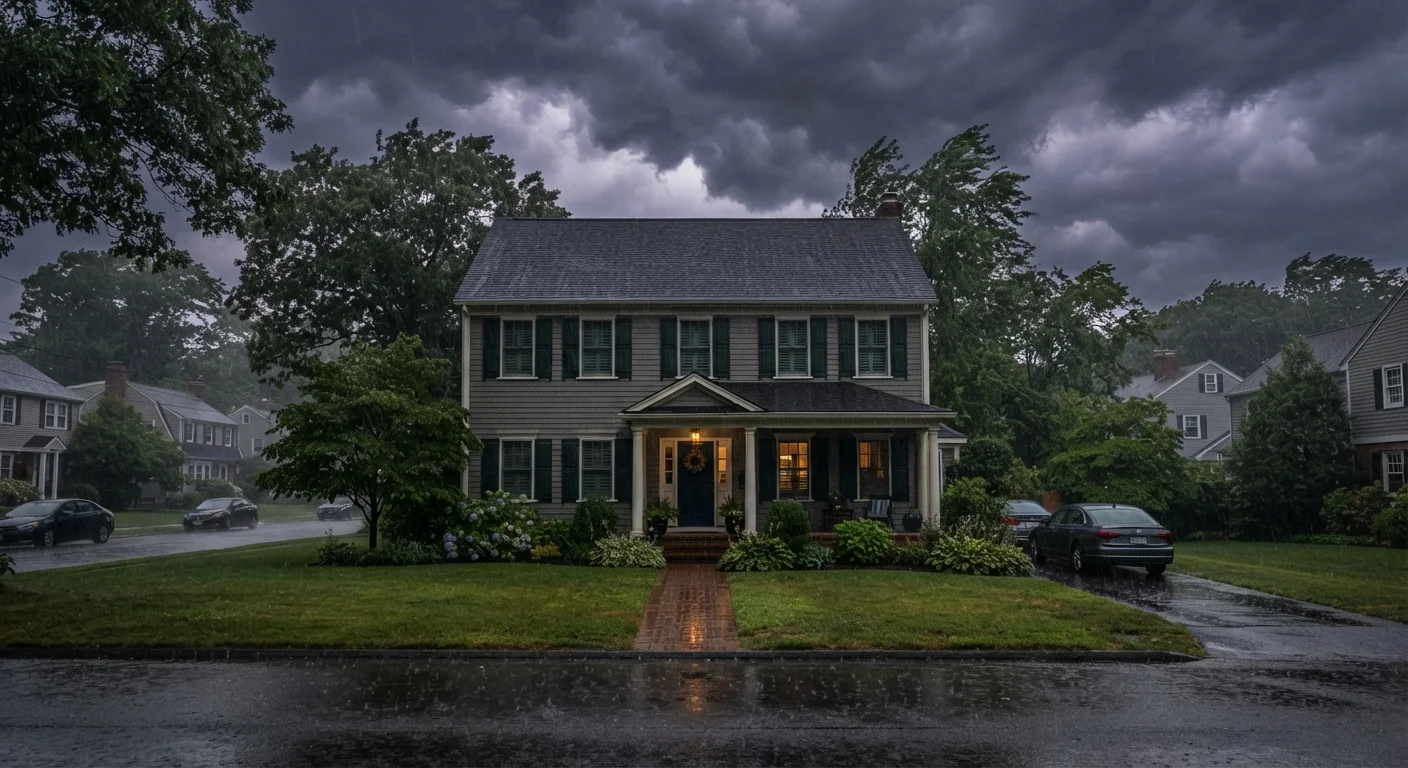
Extreme weather doesn't announce itself with enough lead time to scramble for solutions. A heatwave strains your attic insulation and HVAC system simultaneously. A nor'easter finds every unsealed gap in your building envelope. A hard freeze can burst pipes in under an hour. The repair bills that follow these events are almost always higher than the cost of the preventive work that could have reduced or avoided them.
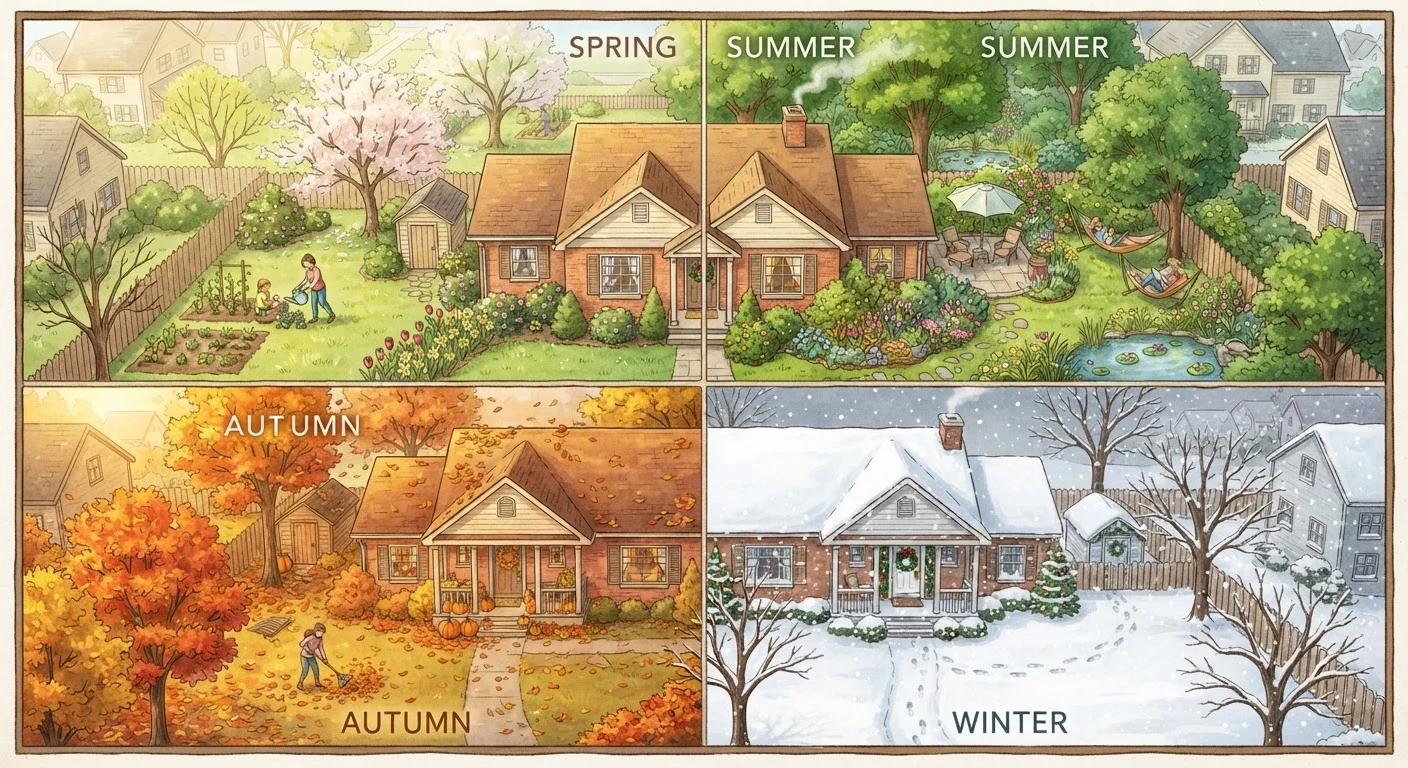
This guide takes a systematic, room-by-room approach to weatherproofing - from the roof to the foundation - so you can prioritize what matters most for your climate and property type. As you work through the list, keep in mind that seasonal maintenance timing plays a big role in getting the most from each task. Doing them at the right time of year increases their effectiveness and longevity.
Start With Your Climate's Biggest Threat
Not every measure on this list will be equally relevant to your location. A homeowner in Minnesota should prioritize pipe insulation and ice dam prevention; one in Florida should focus on wind resistance and flood readiness. Identifying your region's dominant hazard helps you invest time and budget where it will have the greatest impact.
8 High-Impact Weatherproofing Steps for Your Home
Inspect and Reinforce Your Roof
Your roof is the first line of defense against wind, rain, snow, and ice. Walk the perimeter and use binoculars to look for missing, cracked, or curling shingles. Check flashing - the metal strips around chimneys, vents, and skylights - for rust or separation, because flashing failures account for a large share of roof leaks. If you have an asphalt shingle roof, look for granule loss, which accelerates vulnerability to UV and impact damage.
For any structural concerns, loose decking, or widespread shingle damage, contact a licensed roofing contractor rather than attempting repairs yourself. Roof work involves real fall risk and, in many jurisdictions, requires permits for significant replacement.
Flashing failures around chimneys and vents are among the most common - and overlooked - sources of roof leaks.
Clear and Secure Your Gutters and Downspouts
Clogged gutters in a rainstorm become overflow channels that direct water toward your foundation. In winter, standing water in gutters freezes into ice dams - heavy ridges that can pry gutters away from the fascia and force meltwater under shingles. Clean gutters at least twice a year: once in late fall after leaves drop, and once in early spring.
Also check that downspouts discharge at least four feet away from the foundation. Use extensions if needed. Grading - the slope of the soil around your home - should direct water away, not pool it against the siding.
Ice dams form when gutters hold standing water that freezes, creating enough pressure to lift shingles and allow leaks.
Seal Windows, Doors, and Foundation Gaps
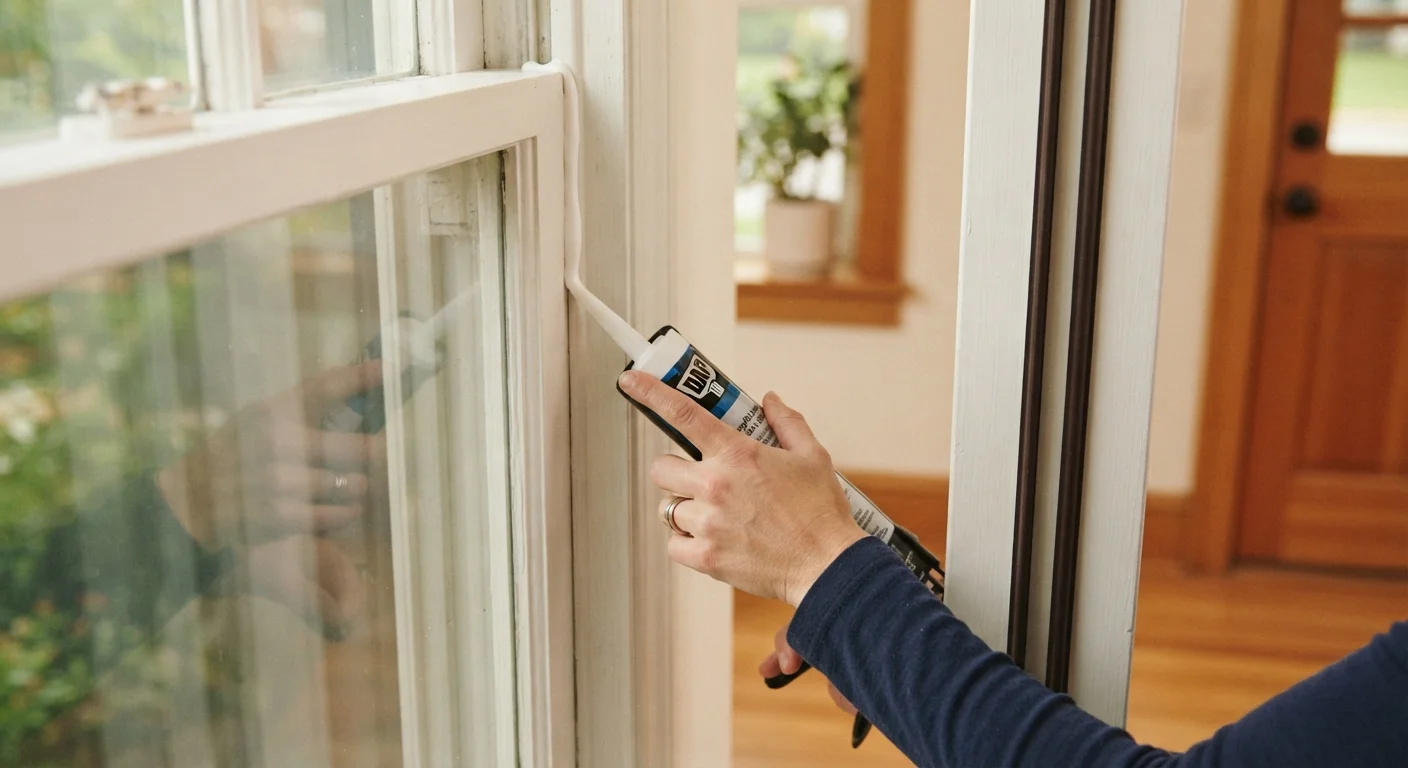
Drafts and moisture infiltration both begin at gaps in your building envelope. The right fix depends on the type of opening: movable joints like door frames and operable windows call for weatherstripping, while static joints around window frames and where siding meets trim call for caulk. Our guide on caulking vs. weatherstripping walks through exactly which method suits each situation.
Don't overlook foundation penetrations where pipes, cables, and conduit enter the home - these are common cold-air and moisture entry points that are easy to seal with an appropriate expanding foam or caulk rated for exterior use.
Choosing the wrong sealant for a joint type means it will fail prematurely - match the product to the movement it needs to handle.
Protect Pipes Against Freezing
Pipes located in unheated spaces - crawl spaces, garages, exterior walls, and attics - are vulnerable to freezing when temperatures drop below 32°F for extended periods. Insulating these pipes with foam pipe sleeves or fiberglass wrap is a low-cost, DIY-friendly task that can prevent a burst that causes thousands of dollars in water damage.
For pipes in particularly exposed areas, consider adding heat tape (also called heat cable), which provides a small, continuous electrical warmth. Follow manufacturer instructions carefully. Know where your main water shutoff valve is located so you can act quickly if a pipe does freeze or burst.
Knowing your home's water shutoff location before a freeze is just as important as insulating the pipes themselves.
Check Attic Insulation and Ventilation
Attic performance affects both summer cooling costs and winter ice dam formation. In summer, inadequate ventilation traps heat, raising indoor temperatures and straining cooling systems. In winter, warm air escaping from living spaces into the attic heats the roof deck unevenly - a key cause of ice dams. The goal is a well-insulated attic floor (keeping conditioned air below) paired with proper soffit-to-ridge ventilation (keeping the roof deck cold and consistent).
Check insulation depth and condition - compressed or water-stained insulation loses its effectiveness. Also inspect for any gaps around recessed lighting fixtures or attic hatches, which are common thermal bypass points.
A well-insulated attic floor combined with proper roof ventilation prevents both summer heat buildup and winter ice dam formation.
Test Your Sump Pump Before Storm Season
If your home has a basement or crawl space, a functioning sump pump is critical during heavy rain events and spring snowmelt. Test it by slowly pouring water into the pit until the float activates - the pump should run and clear the water promptly. If it struggles, runs continuously, or makes unusual sounds, have it serviced before storm season arrives.
Consider a battery backup or water-powered backup sump pump. Power outages commonly accompany the same storms that cause basement flooding, and a primary pump that loses electricity is no protection at all. For issues related to moisture already present in your home, understanding the difference between damp types helps you target the right solution.
Power outages and heavy storms often arrive together - a battery backup sump pump bridges that gap reliably.
Secure Outdoor Structures and Landscaping
High winds turn unsecured outdoor items into projectiles. Before a major storm, bring in or anchor patio furniture, grills, planters, and decorative items. Assess fencing for loose posts and make repairs, since a panel that fails under wind load can damage siding or windows. If you're improving your outdoor space more broadly, our outdoor living space checklist covers structural and layout considerations worth addressing during calmer weather.
Inspect trees near the home for dead limbs, split crotches, or root heave. A certified arborist can assess whether a tree poses a genuine risk to the structure and recommend pruning or removal as appropriate.
Dead tree limbs near the roofline are one of the most underestimated storm hazards in residential neighborhoods.
Build an Emergency Preparedness Kit for Your Home
Weatherproofing the structure is only part of readiness. A home emergency kit ensures you can manage safely during and immediately after an event. At minimum, this includes several days of water and non-perishable food, a battery-powered or hand-crank radio, flashlights with fresh batteries, a basic first aid kit, copies of important documents in a waterproof container, and a manual can opener.
Familiarize every household member with emergency shut-off locations for gas, water, and electricity. If your area is prone to specific events - hurricanes, tornadoes, earthquakes - consult your local emergency management agency's guidance, which is tailored to regional risk profiles and is typically available free of charge.
Knowing how to shut off your home's gas, water, and electricity is emergency preparedness knowledge every adult in the household should have.
When to Call a Licensed Professional
Several tasks in this list - roof repairs, gas line inspections, electrical panel assessments, and structural evaluations - involve systems where DIY errors can create serious safety hazards or code violations. When in doubt, contact a licensed contractor in the relevant trade. Many offer free or low-cost initial assessments, and the cost is almost always less than the liability of an improperly completed repair.
Putting It All Together
No home is perfectly impervious to extreme weather, but a well-maintained one weathers most events with far less damage. Work through this list in order of your climate's greatest risks - freeze protection first if you're in the northern US, hurricane shutters and roof straps if you're in a coastal zone, attic ventilation if summer heat is your main adversary.
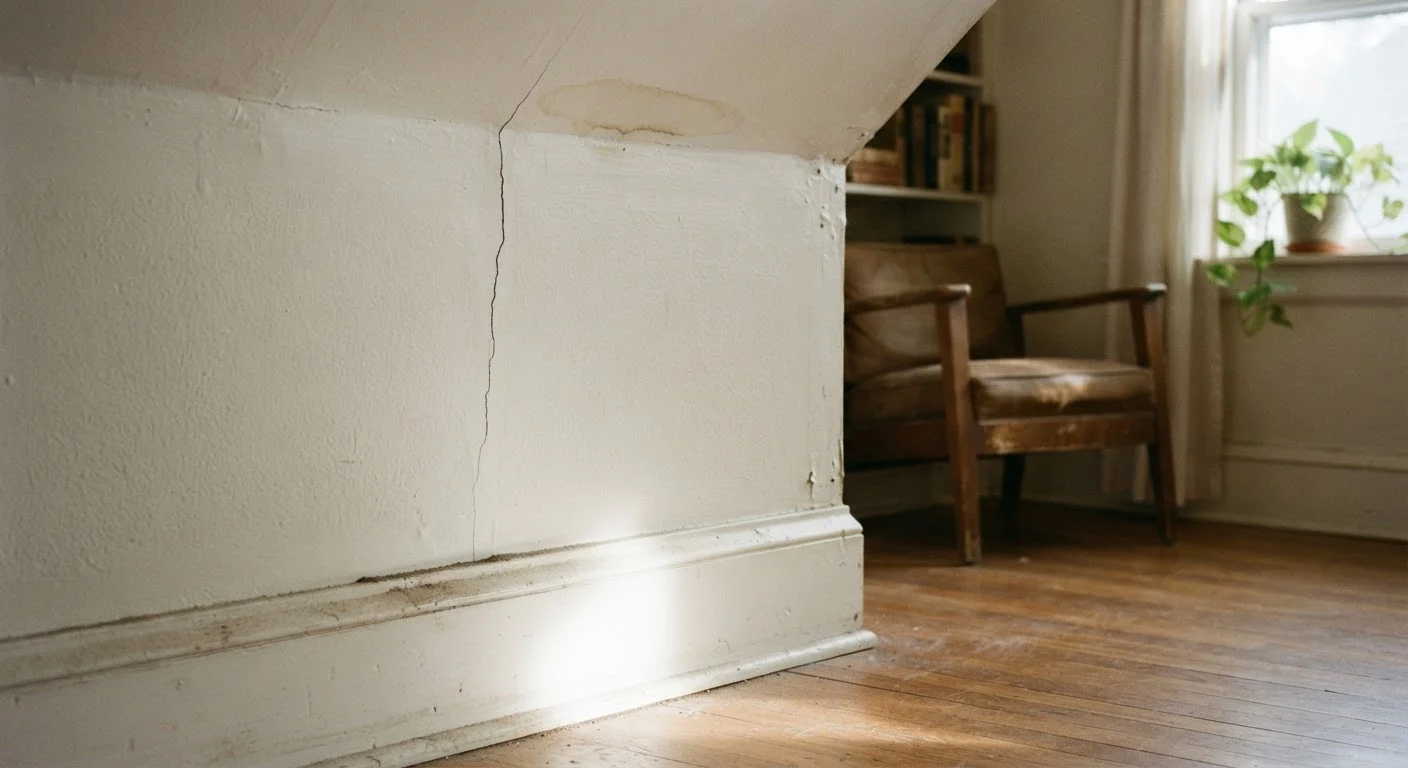
If you're unsure where hidden vulnerabilities might be lurking, reading your home's early warning signs can help you catch developing problems before they become costly. Pair that awareness with consistent upkeep, and your home will be far better equipped to handle whatever the forecast brings.