Why the First Year Is So Critical
Earning a driver's license is a genuine milestone - but the research is unambiguous: the 12 months following licensure are the most dangerous period in a driver's entire career. Crash rates drop sharply after the first year as experience accumulates, which tells us that most early crashes stem from skill gaps, not recklessness.
The skills tested on a licensing exam - basic vehicle control, simple maneuvers, knowledge of rules - do not fully reflect the demands of real-world driving. Hazard perception, gap judgment, and the ability to manage multiple information streams simultaneously all develop through exposure and deliberate practice, not through a single road test.
The First Year Is the Highest-Risk Period
Research from the National Highway Traffic Safety Administration (NHTSA) and traffic safety organizations consistently shows that newly licensed drivers face their greatest crash risk in the months immediately following licensure. This is not a reflection of effort - it is a documented pattern tied to inexperience and underdeveloped hazard perception. Understanding this reality is the first step toward actively countering it.
If you've recently passed your test, the most useful mindset shift you can make is to treat your license as permission to keep learning - not as evidence that you've already learned enough. Our guide for first-time car owners covers the full picture of what that early period demands.
The Most Common Mistakes - And How to Correct Them
These errors show up repeatedly in crash data and driver training research. Each one is understandable given where new drivers are in their development - and each one is correctable with the right awareness and practice.
Overconfidence after passing the driving test.
Why it happens: Passing the test feels like a finish line, when it's actually a starting point. New drivers often interpret licensure as proof of competence rather than the beginning of genuine skill-building.
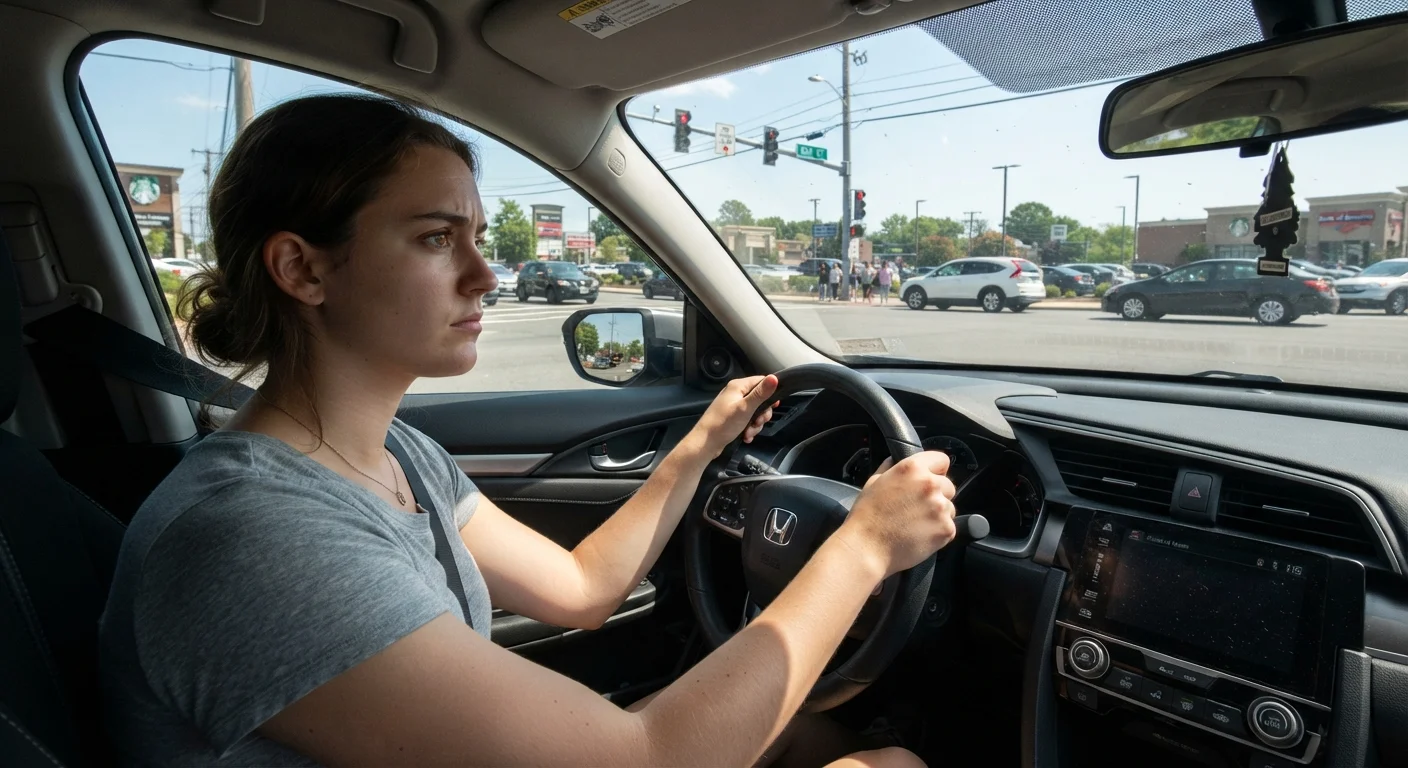
Relying on mirrors alone instead of actively scanning the full driving environment.
Why it happens: New drivers focus heavily on the car directly ahead, which feels like the most immediate threat. Developing the habit of scanning cross-traffic, blind spots, and pedestrian zones takes deliberate practice.
Misjudging gaps when merging, turning, or pulling into traffic.
Why it happens: Speed and distance perception is a skill that develops with experience. New drivers frequently either hesitate when a safe gap exists or accept a gap that is too tight because they haven't calibrated their sense of closing speeds.
Distracted driving - particularly phone use - in the early months.
Why it happens: Habitual phone checking is deeply ingrained before most people earn their license. When driving still requires conscious effort, adding any secondary task pushes cognitive load beyond safe limits.
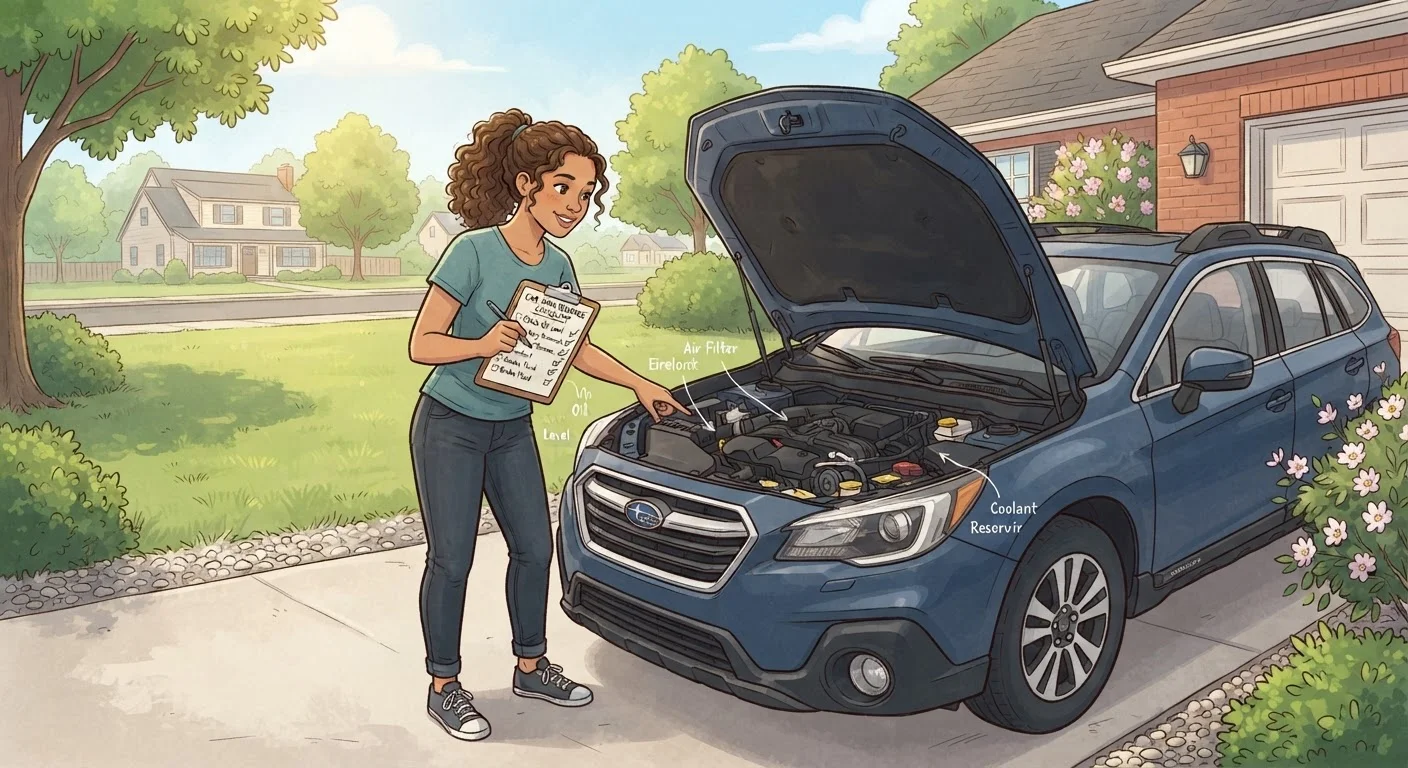
Neglecting basic vehicle checks that affect safety.
Why it happens: New drivers focus almost entirely on the act of driving and often don't yet see maintenance as part of road safety. Tyre pressure, fluid levels, and brake condition feel abstract until something goes wrong.
Phone Use Remains the Leading Distraction
Even a glance at a screen for two seconds at 55 mph means traveling the length of a football field without fully watching the road. New drivers, already operating near the limits of their attention capacity, face compounded risk when a phone is in play. Many states impose graduated license restrictions specifically limiting phone use - but the safety case for avoiding it applies regardless of what the law requires in your state.
Beyond the driving habits themselves, understanding the financial realities of vehicle ownership also matters. Unexpected costs - from tyre replacements to insurance increases after a minor incident - catch many new drivers off guard. Our article on running costs that catch new car owners off guard breaks down what to budget for from day one.
~3×
Crash risk compared to experienced drivers
NHTSA data consistently shows teen and newly licensed drivers are involved in fatal crashes at roughly three times the rate of drivers with several years of experience.
50%
Of teen crashes involve distraction
Studies by the AAA Foundation for Traffic Safety estimate that distraction is a factor in roughly half of teen driver crashes captured on in-vehicle cameras.
Awareness of these patterns is genuinely protective. Drivers who understand where the risk concentrates are better positioned to actively counter it.