
Legal Obligations You Must Handle First
Before you drive a single mile, several legal requirements must be in place. Skipping any one of them can result in fines, impoundment, or worse - personal liability for an accident while uninsured.
- Title transfer: The vehicle title must be signed over to you by the seller and submitted to your state's Department of Motor Vehicles (DMV). This is proof of legal ownership.
- Registration: Your vehicle must be registered in your name, and you'll receive license plates and a registration card. Registration fees and renewal schedules vary by state.
- Minimum liability insurance: Every U.S. state except New Hampshire requires drivers to carry at least a minimum level of liability coverage before operating on public roads. Driving uninsured is a legal offense in most states.
- Driver's license: Ensure your license class is valid for the vehicle type you're driving.
Some states also require a vehicle safety inspection or emissions test before registration is complete. Check your state DMV's website for the exact steps applicable to your situation.
State Requirements Vary Significantly
Vehicle registration fees, emissions testing requirements, insurance minimums, and title transfer deadlines all differ by state. What applies in California may not apply in Texas or Florida. Always verify current requirements directly with your state's DMV rather than relying on general guidance, since rules change over time.
Understanding the True Cost of Ownership
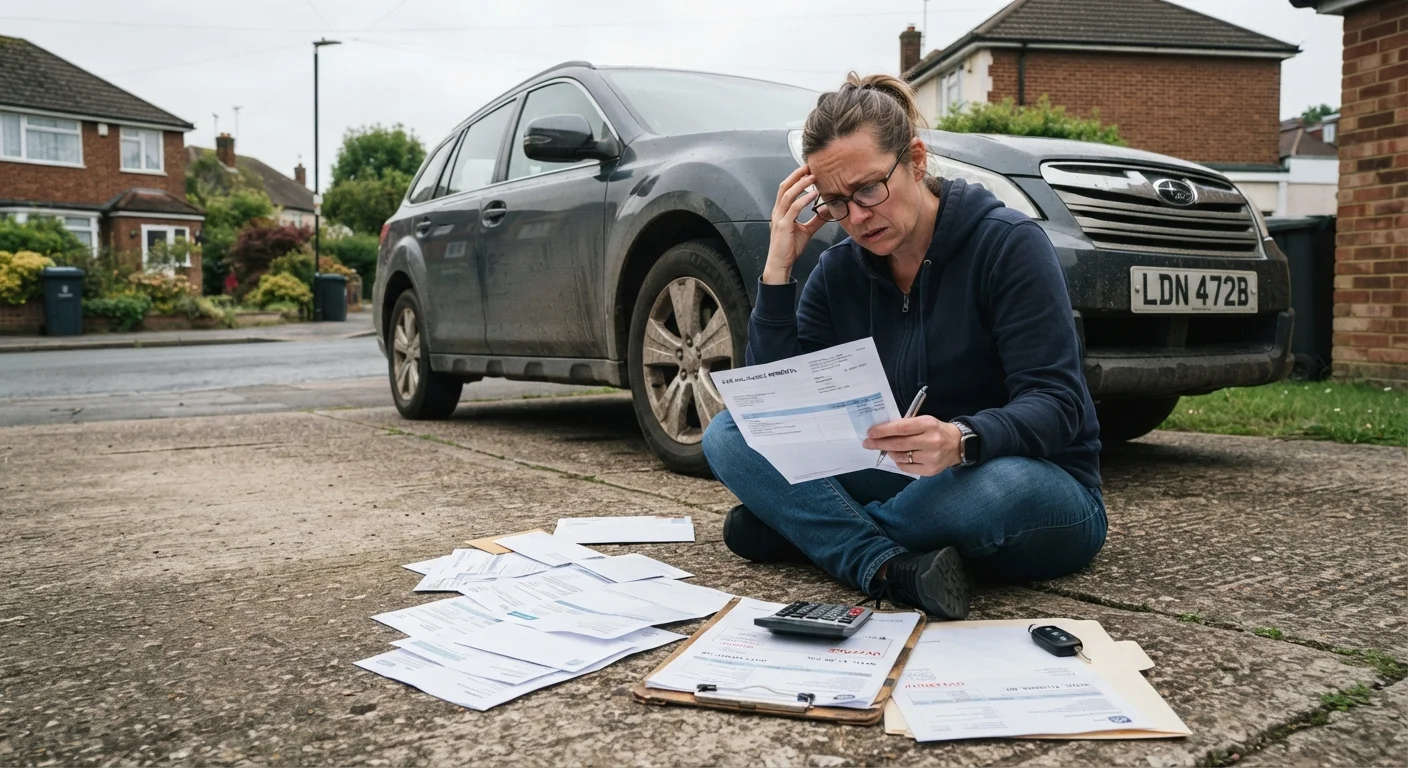
The purchase price of a vehicle - whether paid outright or financed - is just the beginning. New owners frequently underestimate how much a car costs to keep on the road each month. Running costs that catch new car owners off guard include recurring expenses that many buyers simply don't factor in before signing.
Plan your budget around these core categories:
- Fuel
- Highly variable based on vehicle fuel economy, local gas prices, and how much you drive. Calculate a realistic monthly estimate before purchase.
- Insurance premiums
- First-time owners and younger drivers typically face higher premium rates. Get quotes before committing to a vehicle.
- Routine maintenance
- Oil changes, tire rotations, and fluid top-offs happen on predictable schedules and should be budgeted monthly.
- Unexpected repairs
- Even well-maintained cars break down. A modest emergency fund - many advisors suggest $500 to $1,000 as a starting point - reduces stress when something goes wrong.
- Registration and taxes
- Annual fees that vary widely by state and vehicle value.
If you're considering a used vehicle with higher mileage, see the financial realities of owning an older car for a candid look at what that decision involves.
Auto Insurance: What You Actually Need to Know
Auto insurance is both a legal requirement and your primary financial protection in the event of an accident. Understanding the core coverage types helps you make an informed choice rather than just picking the cheapest option.
Liability Coverage
Pays for injuries or property damage you cause to others in an accident. It does not cover damage to your own vehicle.
Comprehensive Coverage
Covers damage to your vehicle from non-collision events such as theft, weather, fire, or hitting an animal.
Collision Coverage
Pays to repair or replace your vehicle after a collision with another car or object, regardless of fault.
Deductible
The amount you pay out of pocket before your insurance covers the rest of a claim. A higher deductible typically lowers your monthly premium.
Premium
The amount you pay - usually monthly or semi-annually - to keep your insurance policy active.
Uninsured Motorist Coverage
Protects you if you're in an accident caused by a driver who has no insurance or insufficient coverage to pay for your damages.
A few important points for first-time owners:
- State minimums are a floor, not a recommendation. Minimum liability limits may not cover the full cost of a serious accident, leaving you personally responsible for the difference.
- If you're financing the car, comprehensive and collision coverage is typically required by the lender. These protect the vehicle itself, not just third parties.
- Your deductible affects your premium. A higher deductible generally means lower monthly premiums, but you'll pay more out of pocket when you file a claim.
- Your rate will change. Premiums are re-evaluated at renewal. Maintaining a clean driving record is the most consistent way to keep costs manageable over time.
When comparing policies, look beyond the monthly premium. Review what each policy actually covers, the claims process, and any exclusions - particularly for custom parts or rideshare use if applicable.
Essential Maintenance Basics for New Owners
A car is a mechanical system that degrades without care. The good news is that most of the habits that prevent expensive breakdowns are straightforward once you know what to look for. For a deeper walkthrough, getting started with car maintenance as a new driver covers key intervals and tasks in plain language.
Start by learning to check these items regularly:
- Engine oil: Use the dipstick to check level and condition. Dark, gritty oil or a low level signals it's time for a change.
- Tire pressure: Under-inflated tires affect fuel economy, handling, and safety. Check monthly and before long trips. The correct PSI is printed on a sticker inside the driver's door jamb - not on the tire sidewall.
- Coolant and washer fluid: Visual checks of reservoir levels take seconds and prevent bigger problems.
- Wiper blades: Replace them when they streak or skip, typically every 6-12 months.
Save Your Owner's Manual - and Read It
Your owner's manual contains maintenance schedules, fluid specifications, and warning light explanations specific to your vehicle. Many first-time owners never open it, then pay for advice or repairs that the manual already addresses. Downloading a digital copy from the manufacturer's website is a useful backup if a physical copy is missing.
Keep your owner's manual in the glove compartment and refer to the maintenance schedule inside. It's the most reliable source for your specific vehicle's service intervals - more reliable than generalized advice you might find elsewhere.
Tasks involving brakes, belts, or suspension should always be performed by a qualified mechanic. Car maintenance guidance can help you understand what's involved before you speak to a professional.
Building Safe Driving Habits from Day One
The habits you form in your first year of car ownership tend to stick. Data from driver training research consistently shows that new drivers are disproportionately involved in preventable collisions - not from lack of skill, but from gaps in situational awareness and judgment. What new drivers get wrong in their first year on the road outlines the most common patterns to avoid.
Prioritize these fundamentals:
- Eliminate distractions: Hands-free doesn't mean risk-free. Even voice-activated phone use diverts cognitive attention from the road.
- Scan ahead: Look 10-15 seconds down the road - not just the car in front of you. This gives you time to react to hazards before they become emergencies.
- Respect following distance: The three-second rule (allow at least three seconds of space between you and the vehicle ahead) is a minimum, not an ideal.
- Adjust for conditions: Rain, snow, darkness, and heavy traffic all demand slower speeds and greater caution, regardless of posted limits.
For broader guidance on staying safe behind the wheel, the Safe Driving resource hub offers practical, evidence-grounded advice for everyday drivers.
Overconfidence Is a Real Risk
Many new drivers underestimate how much skill and judgment driving actually requires once the initial nerves fade. Familiarity with a route or vehicle can breed complacency - a leading factor in preventable collisions among drivers in their first year. Stay deliberate and avoid assuming experience you haven't yet earned.