Why Rain Changes the Physics of Driving
Rain doesn't just reduce what you can see - it fundamentally changes what your tires can do. Grip, or traction, is the result of friction between rubber and road surface. When water coats that surface, friction drops substantially. The engineering term for the relationship between a tire and road contact is the friction coefficient, and in wet conditions, it can fall to roughly half of what it is on dry asphalt.
This matters most during braking and cornering, where the demands on tires are highest. A car traveling at 60 mph on a wet road may require considerably more distance to stop than the same car on dry pavement at the same speed. The exact figure varies by tire condition, vehicle weight, road surface, and braking technique - but the direction is always the same: more distance, less control.
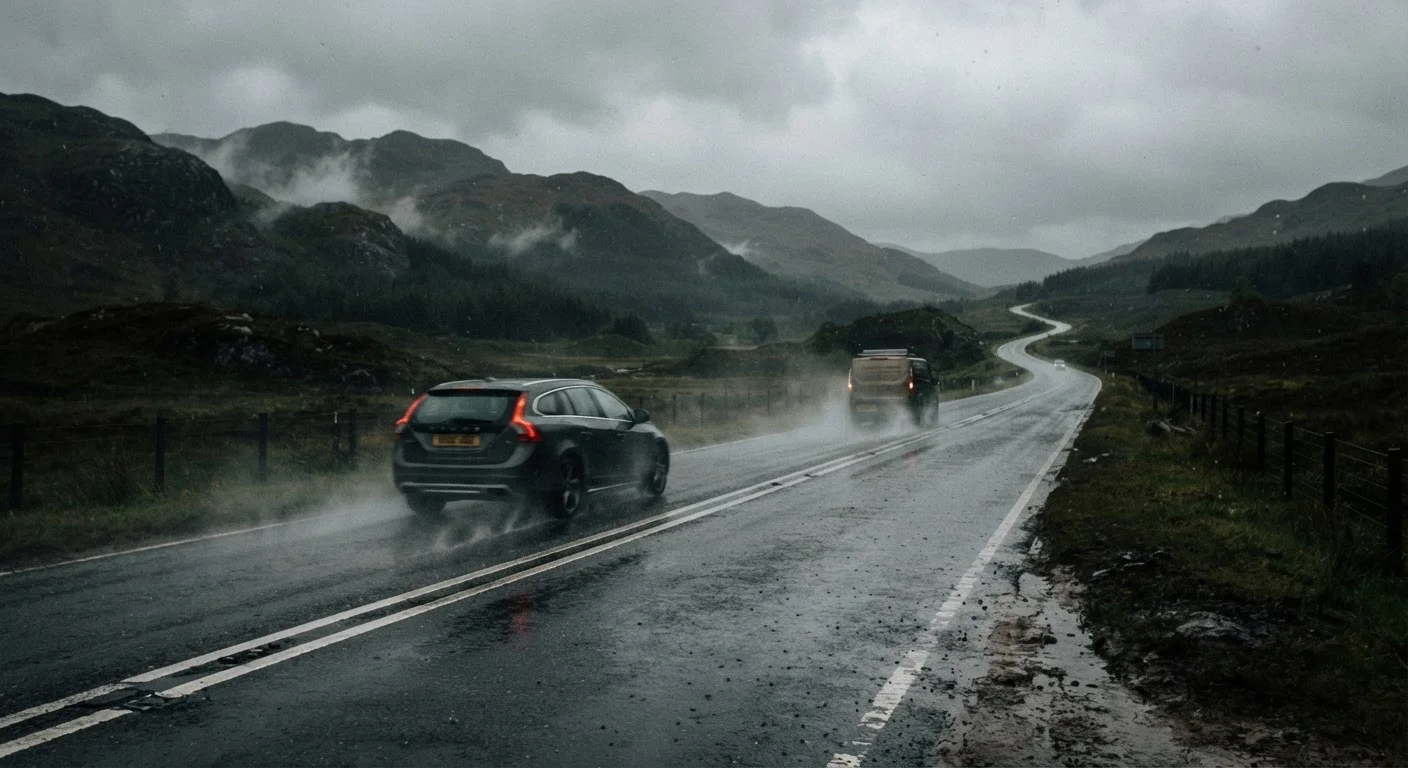
Heavy rain also causes visibility problems that compound the risk. Spray from other vehicles, reduced windshield clarity, and darker road surfaces make hazard detection slower. These factors combine to shrink the window of time you have to respond to anything unexpected.
Understanding the mechanics behind reduced grip is the foundation for the practical adjustments in this guide. For a broader look at how everyday driving behaviors interact with vehicle condition, see our article on how driving habits quietly accelerate vehicle wear. Rain amplifies the consequences of habits that might be only mildly harmful in good conditions.
Use Your Headlights, Not Just Wipers
In many US states, law requires headlights to be on whenever wipers are in use. Beyond legality, headlights make your vehicle visible to other drivers far earlier in spray and low light. Avoid using high beams in rain - they reflect off water droplets and reduce your forward visibility.
Before You Drive: Preparing Your Vehicle
Safe wet-weather driving begins before you turn the key. Tires are your first line of defense - their tread channels water away from the contact patch to maintain grip. A tire with deep, well-maintained tread handles rain fundamentally differently from one approaching its wear limit.
What you will need
Tire tread depth gauge
Measures remaining tread depth to confirm tires can safely channel water.
Penny or quarter (tread test)
A simple at-home check for minimum tread depth when a gauge is not available.
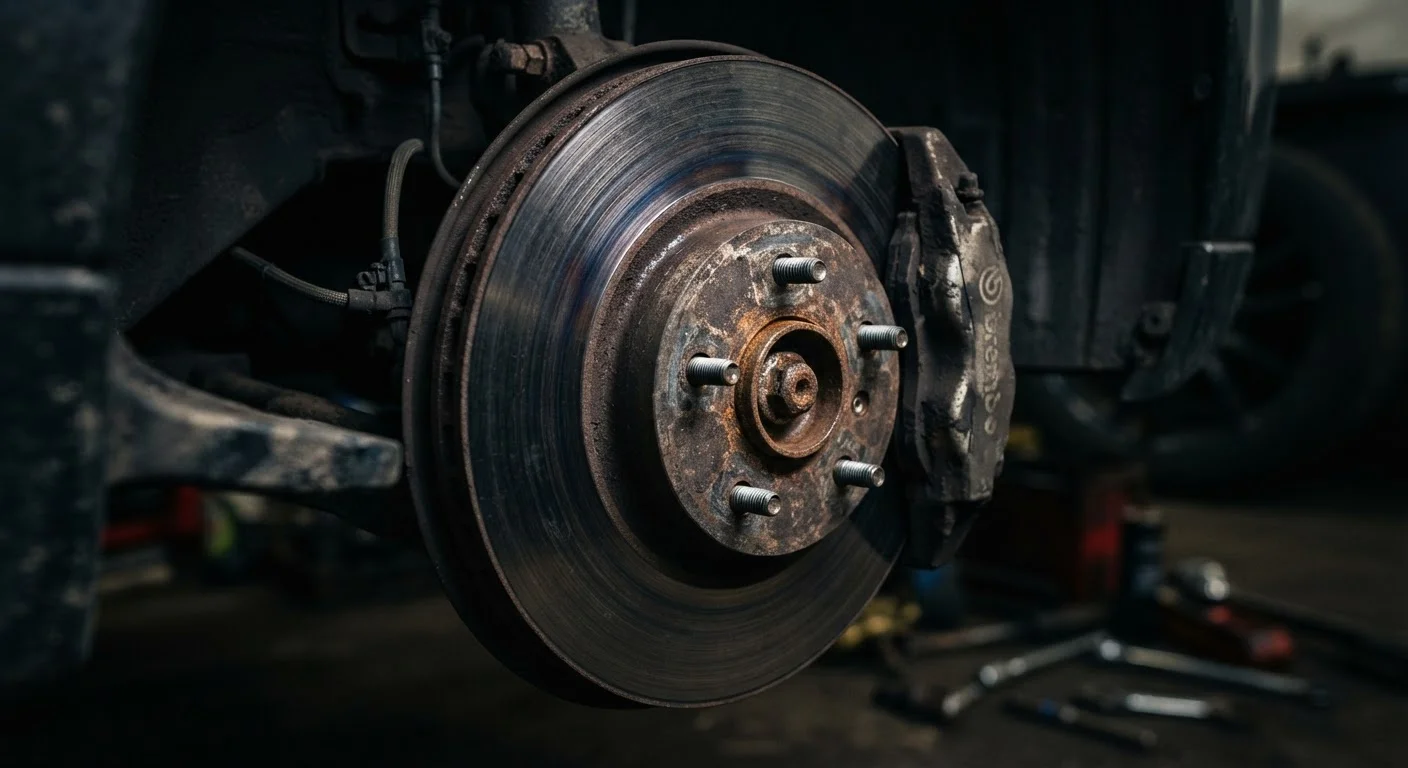
Beyond tires, confirm that your wiper blades are clearing the windshield cleanly, your lights are functioning, and your braking system has been serviced within manufacturer-recommended intervals. Hard braking on wet roads stresses brake components more than dry-road use; this connects directly to the wear patterns described in our guide on driving habits and vehicle wear.
Step-by-Step: Adjusting Your Driving in the Rain
The following steps cover the practical adjustments that matter most when road conditions deteriorate due to rain. Follow them as a system - each reinforces the others.
Reduce your speed before conditions worsen
The moment rain starts falling, begin reducing your speed - don't wait until roads are visibly flooded. Water mixes with road oils during the first 10-20 minutes of rain, creating conditions that can be more slippery than a steadily wet road. Even a modest speed reduction meaningfully extends your reaction window and shortens the gap between needing to stop and actually stopping.
Increase your following distance
The standard three-second following gap recommended for dry roads is insufficient in wet conditions. Extend this to at least five or six seconds. Wet braking distances can be more than double those on dry pavement, depending on speed, tire condition, and road surface. A greater gap gives you time to perceive a hazard, react, and brake without rear-ending the vehicle ahead. For a practical refresher on stopping distance concepts, see our road safety terminology guide.
Apply brakes and steering gently and progressively
Sudden, hard inputs - whether to the brake pedal or the steering wheel - are a primary cause of skidding on wet surfaces. Brake earlier than you think necessary, using steady, progressive pressure. If your vehicle has ABS (anti-lock braking system), apply firm continuous pressure and allow the system to work; do not pump the pedal. When steering, make smooth, deliberate movements rather than sharp corrections.
Avoid standing water and puddles where possible
Puddles hide potholes, debris, and depth variations. Beyond road damage risk, driving through standing water at speed can trigger aquaplaning - where a wedge of water builds under the tire faster than it can be displaced, lifting the tire off the road surface. If you cannot avoid a puddle, slow significantly before entering it and drive through at a crawl. After passing through deep water, lightly apply the brakes to help dry them out.
Check your lights and visibility equipment before driving
Turn on your headlights when visibility drops or whenever your wipers are running. Ensure your rear window defroster is active and that your windshield is clear of fog both inside and out. Running the air conditioning with the heat on is an effective way to clear interior condensation quickly. Confirm that your wiper blades are clearing water cleanly without streaking - degraded blades significantly impair visibility.
Know how to respond if you begin to skid
If the rear of the vehicle slides out (oversteer), steer gently in the direction the rear is moving - commonly called "steering into the skid" - without overcorrecting. If the front loses grip (understeer), ease off the accelerator and allow the car to slow naturally before steering adjusts. Panic braking in either scenario typically makes the situation worse. Calm, minimal inputs give the tires the best chance to regain grip.
Aquaplaning Demands Immediate Calm
If your steering suddenly feels light and unresponsive, you may be aquaplaning - your tires are riding on a film of water rather than the road. Do not brake hard or steer sharply. Ease off the accelerator gradually and hold the wheel straight until you feel traction return. Sudden inputs during aquaplaning can cause a spin.
Rain driving shares some characteristics with other challenging conditions. For techniques specific to fog, ice, and high winds, our guide on driving in extreme conditions covers the additional adjustments those environments demand. Similarly, if you frequently drive at night, night driving habits that reduce risk after dark addresses the distinct challenges of low-light driving.
Worn Tires Multiply Rain Risk Significantly
Tires with insufficient tread depth - below 2/32 inch, the US legal minimum - are dramatically less effective at channeling water away from the contact patch. Many safety organizations recommend replacing tires well before the legal limit is reached. Check tread depth regularly, especially heading into wet seasons.