How Depreciation Actually Works
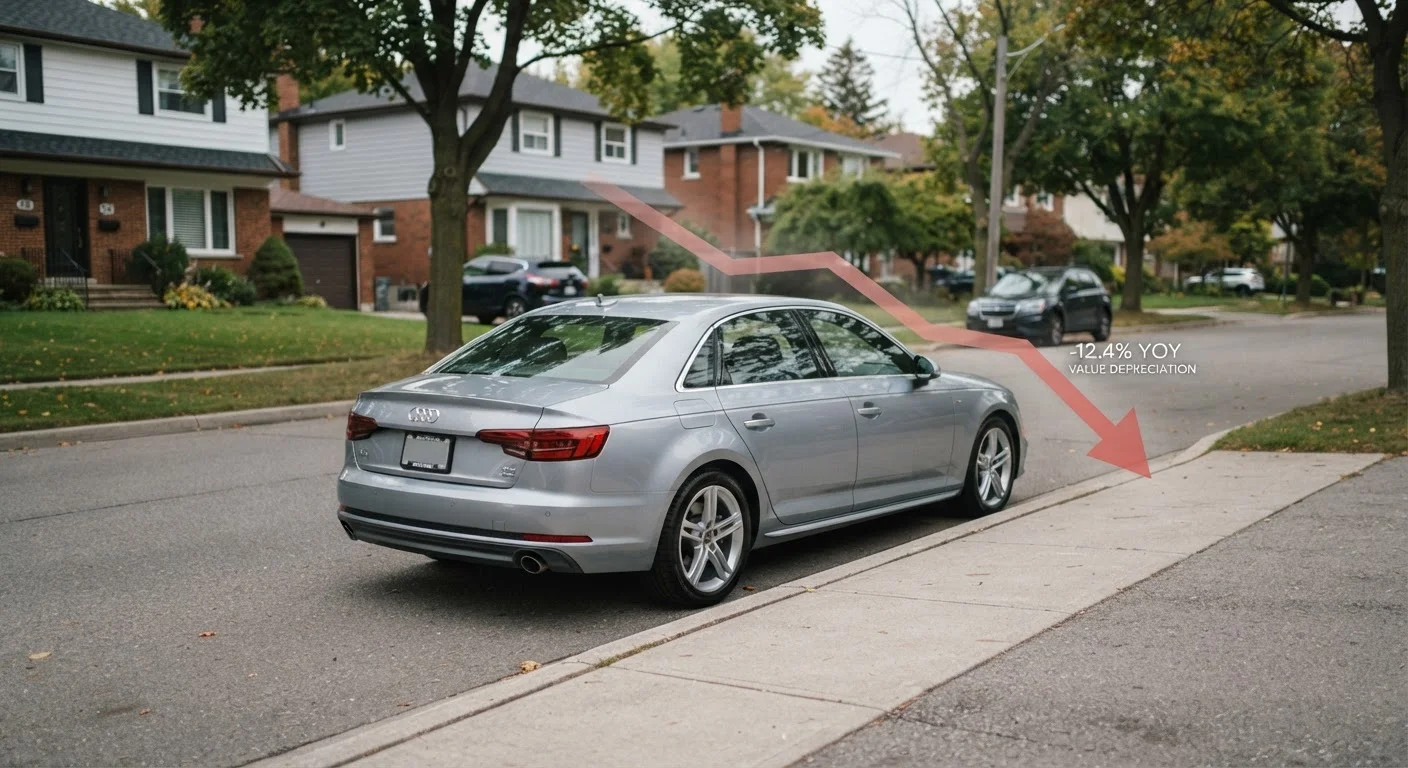
Think of a new car's value like a melting ice cube - it shrinks most rapidly at first, then more slowly over time. When you purchase a new vehicle, you immediately absorb a price premium that reflects its status as brand-new. The moment it's titled in your name and driven away, that premium evaporates. Industry data generally shows new vehicles lose 15-25% of their value in year one, with total five-year depreciation often reaching 40-60% of the original purchase price.
After those first few years, the curve flattens. A five-year-old vehicle typically depreciates much more slowly than a one-year-old vehicle, which is one reason buying a lightly used car can offer better value per dollar. Understanding this curve is essential when evaluating the real cost of ownership - not just the sticker price or monthly payment. For a fuller picture, see our article on the true cost of owning a car.
20%
Average new car value lost in year one
Industry valuation benchmarks commonly show new vehicles losing roughly 20% of their purchase price within the first 12 months of ownership.
~50%
Typical 5-year depreciation on new vehicles
Many vehicles lose approximately half their original value within five years, making depreciation one of the largest single costs of car ownership.
15,000
Annual miles used as depreciation baseline
Standard vehicle valuation models typically benchmark 12,000-15,000 miles per year; exceeding this meaningfully accelerates resale value loss.
Key Factors That Drive Depreciation
Depreciation isn't random - specific, measurable factors determine how fast a vehicle loses value.
- Mileage: Higher annual mileage signals more wear and limits the car's remaining useful life. Most valuation benchmarks use around 12,000-15,000 miles per year as a baseline.
- Condition and maintenance history: A documented service record and accident-free history meaningfully improve resale value. Driving habits that accelerate wear can quietly erode your vehicle's condition - and its future value.
- Make, model, and trim: Vehicles with strong reliability reputations and broad market appeal hold value better. Discontinued models or those with poor reliability records tend to depreciate faster.
- Fuel type and market trends: Shifts in fuel prices or consumer preference - such as growing interest in electric vehicles - can compress resale values for certain powertrains.
- Color and options: Neutral colors (white, silver, gray, black) consistently attract more buyers. Unusual colors or rarely desired packages narrow your pool of future buyers, pushing resale values down.
Protect Resale Value With a Service Record
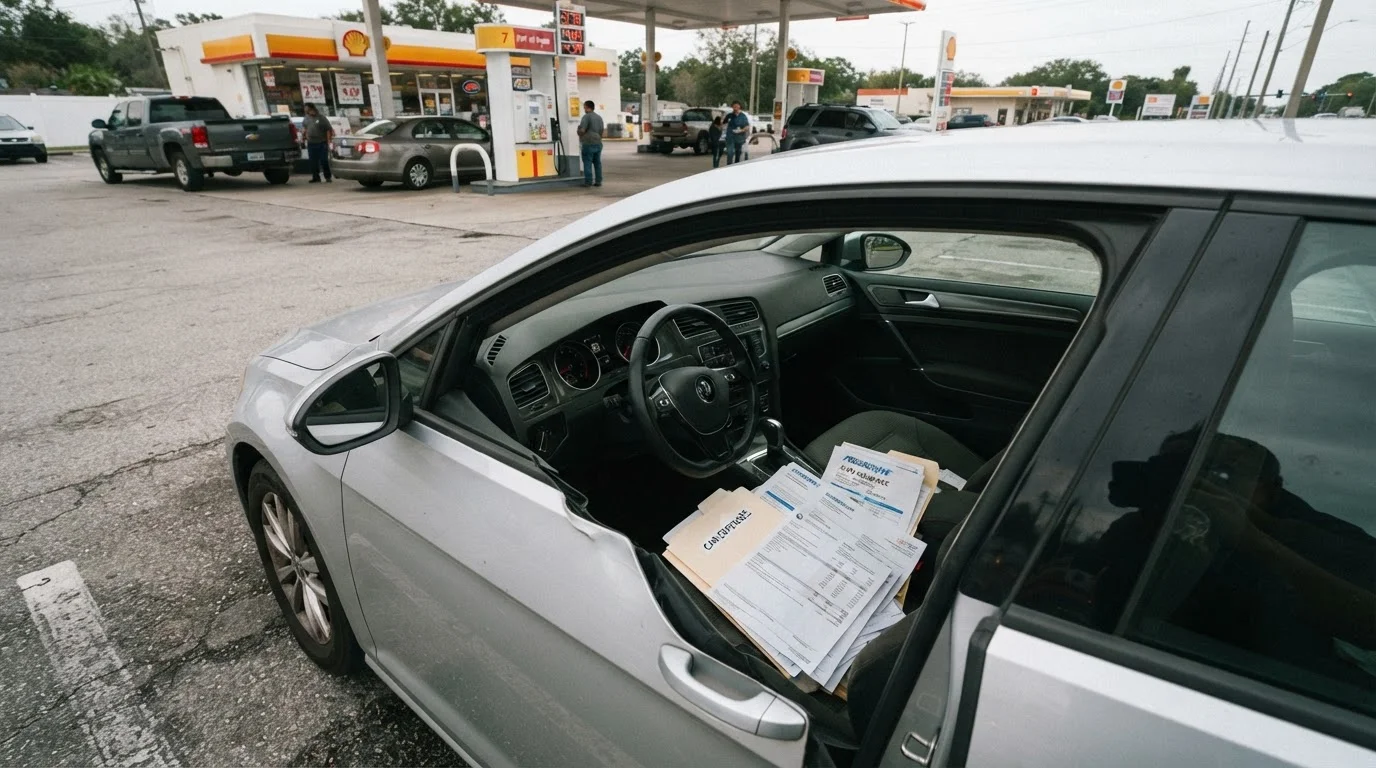
Keep every oil change receipt, inspection report, and repair invoice in a single folder - physical or digital. A complete, documented maintenance history is one of the strongest signals to future buyers that a vehicle has been cared for. It can meaningfully improve what you're offered at trade-in or private sale.
What Depreciation Means for Your Finances
Depreciation has direct financial consequences, particularly if you financed your vehicle. When you take out an auto loan, you begin repaying principal slowly in the early months - most of your early payments go toward interest. Meanwhile, your car is depreciating at its fastest rate. This mismatch can leave you underwater on your loan, meaning your outstanding balance exceeds the car's market value.
Being in a negative equity position creates real problems: if your vehicle is totaled in an accident, your insurer pays the current market value - not what you owe. You'd be responsible for the gap. This is why many financial professionals discuss gap coverage as a consideration for new-car buyers who finance with small down payments, though whether it's right for your situation is worth discussing with a licensed financial or insurance professional.
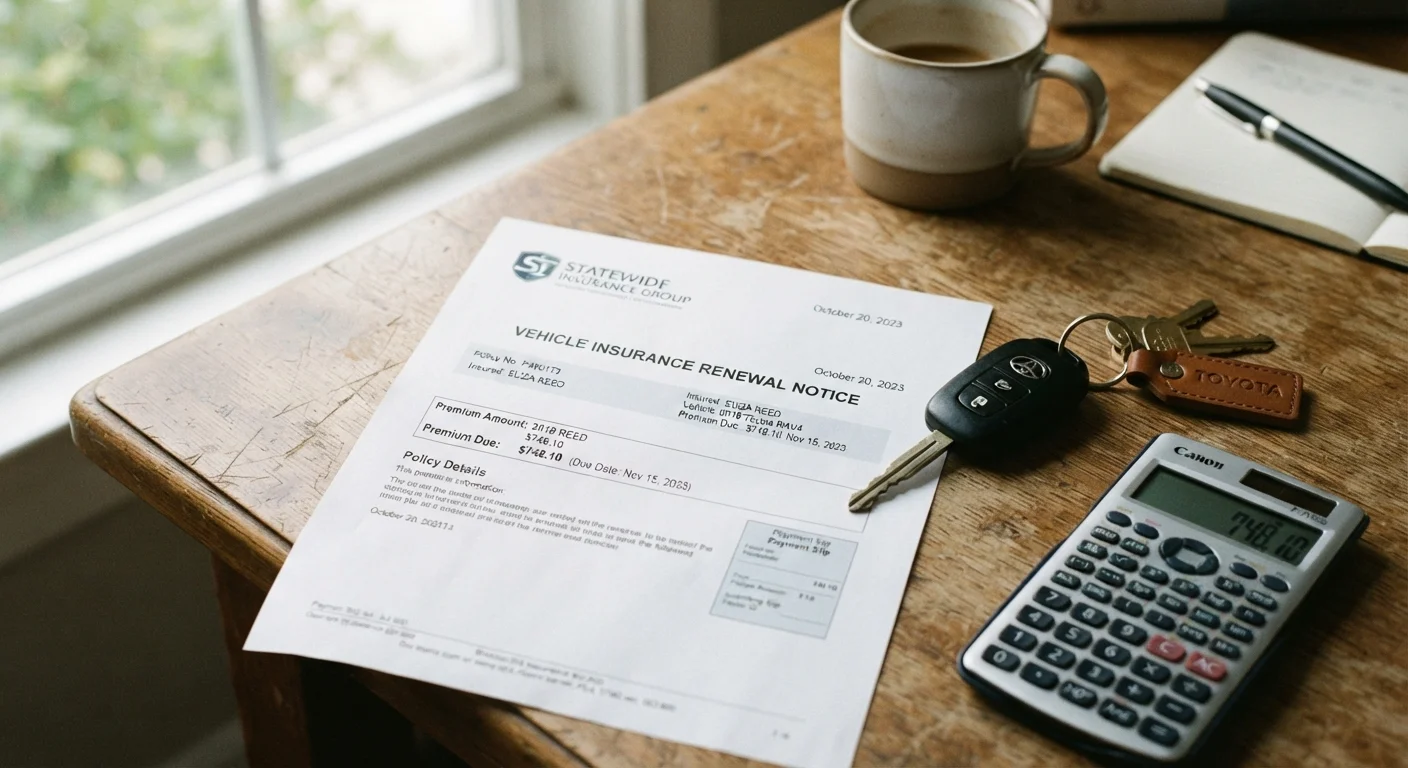
Depreciation also interacts with how your insurance premiums are calculated, since insurers base payouts on actual cash value - which reflects depreciation directly. For a broader look at smart money habits, the concepts in saving and debt management apply here too.
Using Depreciation to Make Smarter Ownership Decisions
Understanding depreciation shifts how you approach buying, keeping, and selling a vehicle. If you plan to sell or trade in after two or three years, you'll absorb the steepest part of the depreciation curve - essentially subsidizing the next owner's savings. Holding a well-maintained vehicle for seven or more years typically means your annual depreciation cost per year decreases significantly, making long-term ownership one of the most financially sound strategies available to everyday drivers.
Buying a vehicle that is two to three years old can mean the original owner has absorbed the worst depreciation, while you still benefit from a relatively modern, reliable vehicle. Of course, older vehicles come with their own considerations - our guide on owning an older car covers those trade-offs honestly. And if you've been operating under assumptions about what's good for resale value, it's worth checking them against common car ownership myths that have been debunked.
“Depreciation is the single largest cost of vehicle ownership for most people - yet it's the one that appears on no monthly bill and surprises nearly everyone at trade-in time.”
— Cars & Driving Editorial Team, Automotive consumer finance analysts
This article is for general informational purposes only and does not constitute financial or legal advice. Consult a qualified financial professional for guidance specific to your situation.