What a Vehicle Inspection Report Is - and Why It Matters
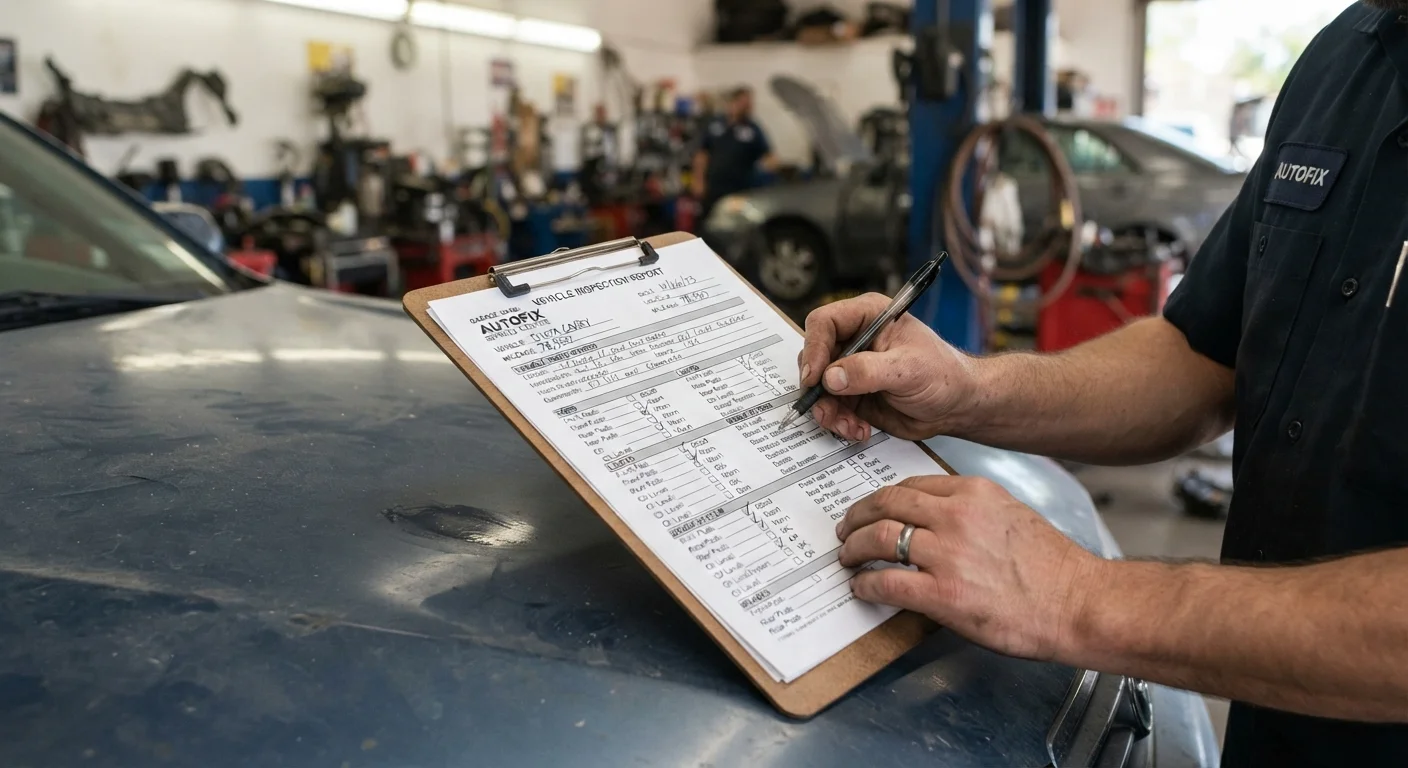
Whether you're dealing with a UK MOT certificate, a state vehicle safety inspection in the US, or a pre-purchase inspection from an independent mechanic, the report you receive follows a predictable structure. It categorizes your vehicle's condition into sections that tell you what's fine, what needs watching, and what requires immediate attention.
The challenge for most drivers is that inspection reports use technical language and shorthand that isn't always self-explanatory. Knowing how to decode the document means you can have an informed conversation with a mechanic, prioritize repairs correctly, and avoid being pressured into unnecessary work.
| UK MOT Frequency | Annually, for vehicles over 3 years old (UK Driver and Vehicle Standards Agency (DVSA)) |
| US Inspection Frequency | Varies by state - typically annual or biennial (State motor vehicle agencies) |
| Main Report Categories | Pass, Advisory, Major (Failure), Dangerous |
| What a Failure Means | Vehicle cannot be certified until defects are repaired |
| Nearside (UK/Right-hand drive) | Driver's side - left side of the vehicle |
| Offside (UK/Right-hand drive) | Passenger side - right side of the vehicle |
For a broader view of keeping your vehicle roadworthy, see the Car Maintenance hub for a full range of practical upkeep guidance.
The Three Core Categories on Most Inspection Reports
Most vehicle inspection reports - including the UK MOT - divide findings into three distinct outcome categories. Understanding what each one actually means is the first step to acting appropriately.
Advisory Note
A documented finding that a component is showing wear or deterioration but has not yet failed the legal threshold. Advisories don't prevent certification but indicate repairs will likely be needed in the near future.
Major Defect
A fault that represents a significant risk to road safety or the environment, resulting in a test failure. The vehicle must be repaired and re-inspected before it can be legally certified.
Dangerous Defect
The most severe classification, indicating an immediate direct risk to road safety. In many jurisdictions, driving a vehicle with a dangerous defect is illegal.
Nearside / Offside
Positional terms used in inspection reports. In right-hand-drive vehicles, nearside is the driver's side (left); offside is the passenger side (right). These terms are reversed for left-hand-drive markets.
Re-test
A follow-up inspection carried out after a vehicle has been repaired to address failure items. Many testing facilities offer a partial re-test within a specified time window at a reduced fee.
Certificate of Compliance
The document issued when a vehicle passes its inspection, confirming it meets the minimum safety and emissions standards required by the relevant authority at the time of testing.
Pass items are components the inspector checked and found to be within acceptable limits. These typically aren't listed in detail; the absence of a notation is itself the result.
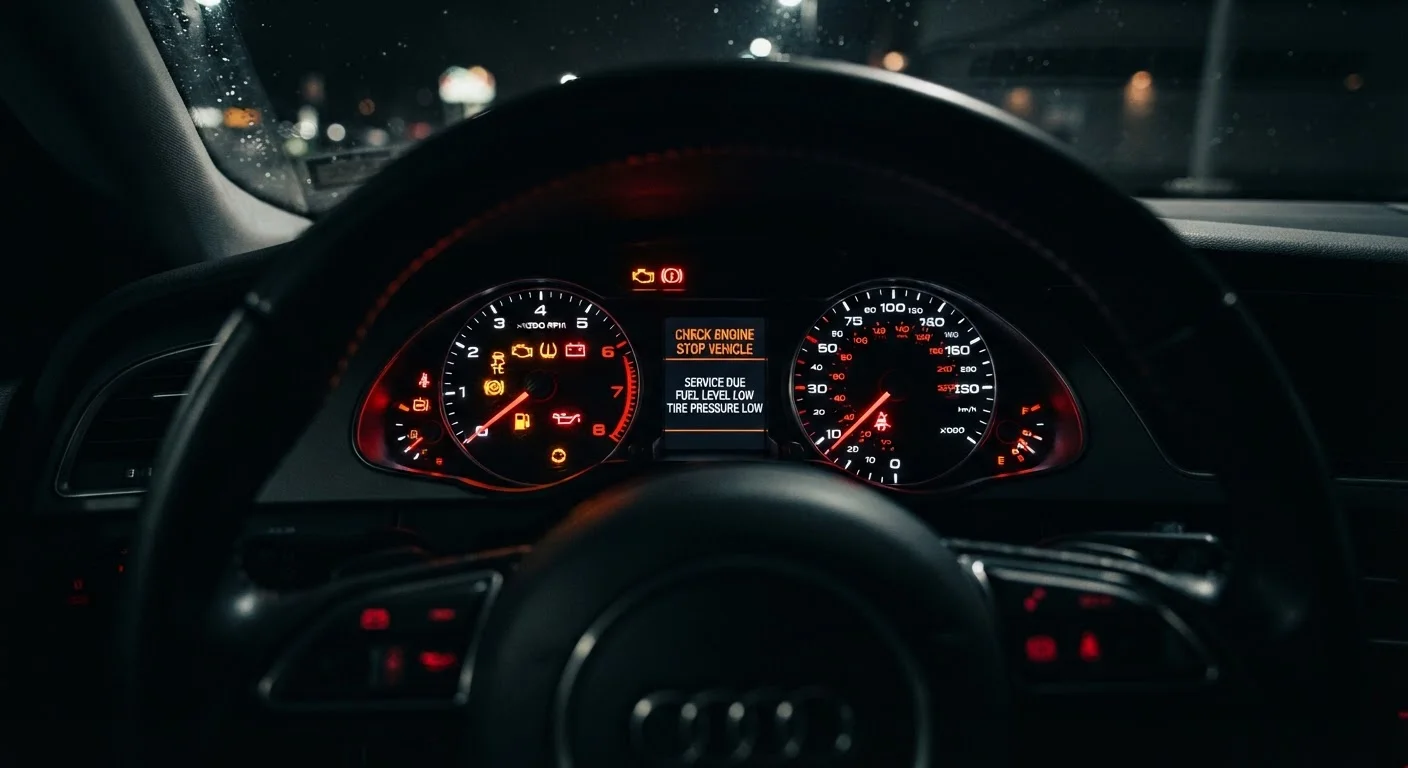
Advisory notes (sometimes called “monitor items” or “observations”) flag components that are deteriorating but haven't yet crossed the failure threshold. They won't cause a test failure today, but they signal that attention will be needed - often within months. Ignoring advisories is how minor maintenance becomes an expensive repair. For context on spotting early deterioration, the article on what your car's warning lights mean is a useful companion read.
Failure items (also called “repairs required”) mean the vehicle did not meet the minimum legal standard in that area and cannot be certified until the issue is corrected. In many jurisdictions, driving on a failed inspection is illegal or invalidates your insurance.
Dangerous Defects: When the Report Flags Immediate Risk
In the UK MOT system - and in some state-level US inspections - a fourth category exists above standard failures: Dangerous defects. A dangerous classification means the vehicle poses a direct risk to road safety or the environment right now. Driving the vehicle away is strongly discouraged and, depending on local law, may be an offense.
Common dangerous defects include severely worn brake pads with metal-to-metal contact, steering components that are close to failing, or tires with exposed cords. If your report includes a dangerous defect, your priority is to have the vehicle recovered or repaired before driving it further - not to shop around for quotes.
Dangerous Defects and Your Insurance
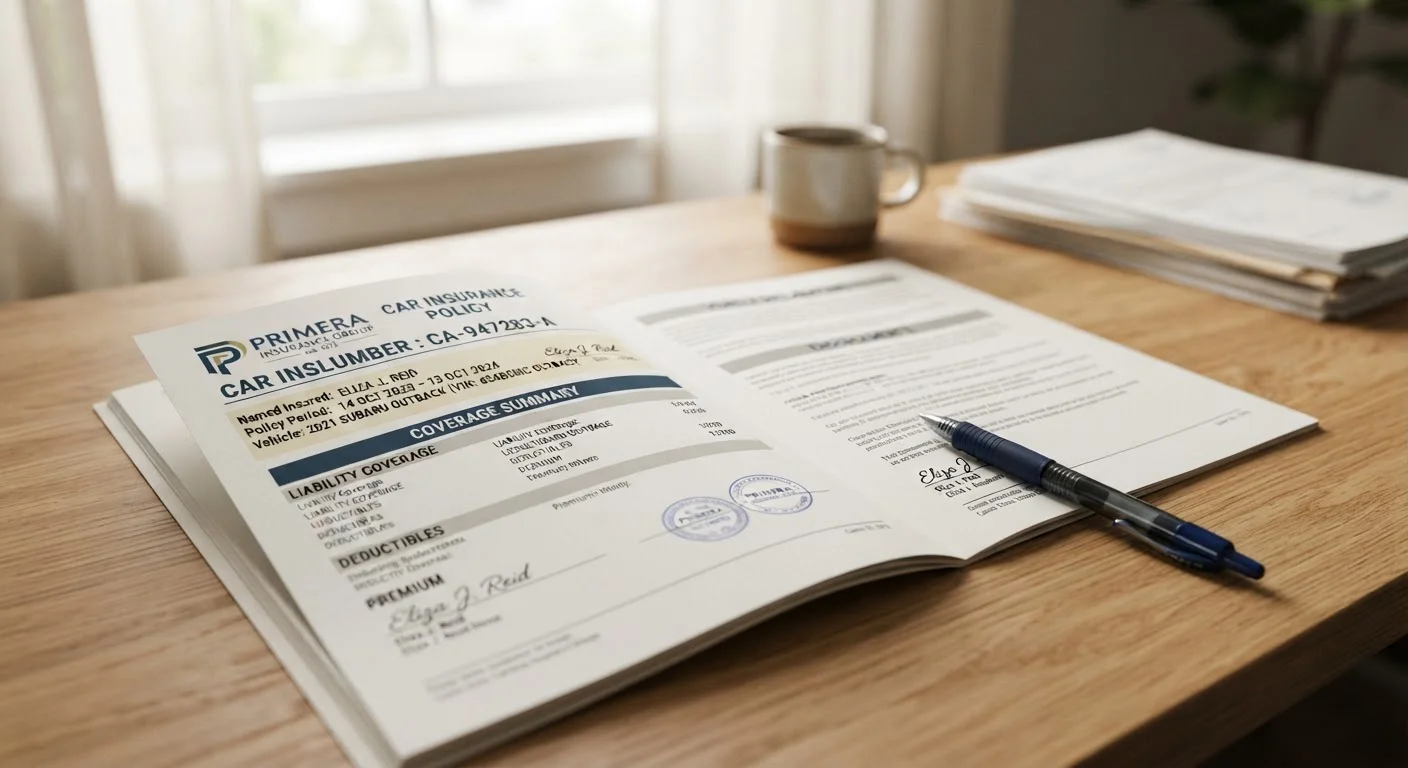
Driving a vehicle flagged with a dangerous defect may void your insurance policy and put you in breach of road traffic law. Always confirm with your insurer and the inspection facility what steps are required before moving the vehicle. Do not assume it is safe to drive even a short distance without professional guidance.
Understanding your obligations after a failed inspection also has financial implications. For guidance on how your coverage is affected, see Car Insurance Decoded - particularly the sections on policy conditions and exclusions.
Reading the Detail Lines: Components and Reason Codes
Each line item on a report typically includes three pieces of information: the component name (e.g., “nearside front brake”), the specific defect (e.g., “brake pad worn below minimum thickness”), and the severity classification (advisory, major, dangerous).
Location terminology often trips readers up. “Nearside” refers to the driver's side in right-hand-drive markets (left side in left-hand-drive US vehicles); “offside” is the passenger side. “Axle” references indicate both wheels on the same axis. Once you know the position shorthand, you can map each defect to a specific part of the car.
If the report references fluid levels or leaks, cross-reference with how to check your car's fluid levels - some minor leaks may be something you can monitor between professional inspections.
If anything on the report is unclear, ask the inspector to walk you through each line item before you leave the garage. Reputable inspection facilities expect and welcome that conversation. New owners particularly benefit from building this habit early - see Getting Started with Car Maintenance for foundational guidance.
~40%
UK vehicles that fail their MOT on first attempt
Approximately 4 in 10 UK cars fail their MOT on the first attempt each year, according to DVSA published data.
Top 3
Most common MOT failure reasons
Lighting, suspension, and brakes consistently rank as the three most common MOT failure categories in DVSA annual statistics.