What Happens Before the Wrench Turns Matters
Most drivers hand over their keys and hope for the best. But experienced mechanics consistently say the quality of information a customer provides at drop-off directly shapes how efficiently - and accurately - a vehicle gets diagnosed and repaired. A car that arrives with a vague complaint like "it's making a noise" requires far more investigative time than one accompanied by a clear account: "a low grinding sound from the front left when braking above 30 mph, started three days ago."
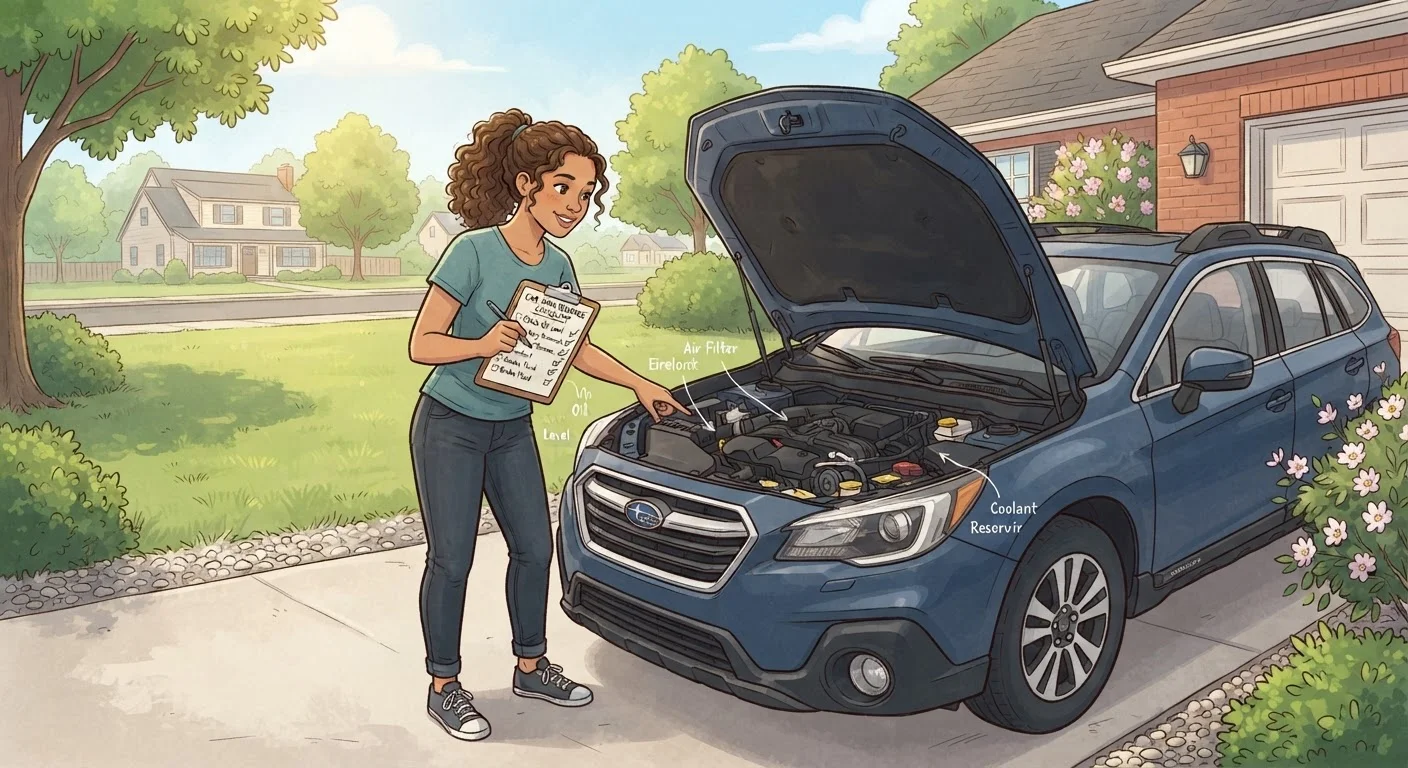
The good news is that you don't need mechanical expertise to be a great garage customer. You need awareness, a few habits, and a willingness to ask questions. Whether you're new to car ownership or years into it, the insights below reflect what mechanics across the industry consistently wish more customers understood before walking through the door. For a broader foundation, this introduction to car maintenance is a solid starting point.
Describe symptoms, not conclusions
When you tell a mechanic "my brakes are bad," you've already made a diagnosis - and it might be wrong. Instead, describe exactly what you experience: when it happens, what it sounds or feels like, whether it's constant or intermittent, and under what conditions (cold starts, highway speeds, turning, braking). Mechanics are trained to translate symptoms into causes; that process works best when you give them raw observations rather than guesses.
Note whether a warning light appeared, what the smell is like (burning rubber vs. something sweet vs. exhaust), and any recent events - a pothole, a long road trip, a previous repair. The more specific your account, the narrower the diagnostic window.
Raw observations beat guesses - describe what you sense, not what you assume is broken.
Know your vehicle's service schedule
Your owner's manual contains a manufacturer-specified maintenance schedule - intervals for oil changes, transmission fluid, brake fluid, spark plugs, timing belt or chain inspection, and more. Many drivers rely entirely on the sticker their last oil-change shop put on the windshield, which may not reflect the full picture.
Understanding your actual service intervals means you can have informed conversations about what's due, what can wait, and what a shop may be recommending ahead of schedule. It also helps you spot when a recommendation doesn't align with what your manufacturer specifies - a useful check that protects you from unnecessary services.
Your owner's manual is the authoritative source for service intervals - not assumptions or habit.
Bring your service history
A vehicle's maintenance record tells a mechanic what's been done, what parts were used, and how recently. Without it, they're working blind on the history of your car - and may duplicate services or miss important context. Keeping a maintenance log doesn't require anything elaborate: a folder of receipts or a simple notes app works. What matters is having something to show.
Service history is especially valuable when diagnosing recurring issues or when a new shop is seeing your vehicle for the first time. It can also affect resale value if you ever sell the car privately or trade it in.
A simple folder of service receipts gives mechanics context that speeds up diagnosis significantly.
Always ask for a written estimate before approving work
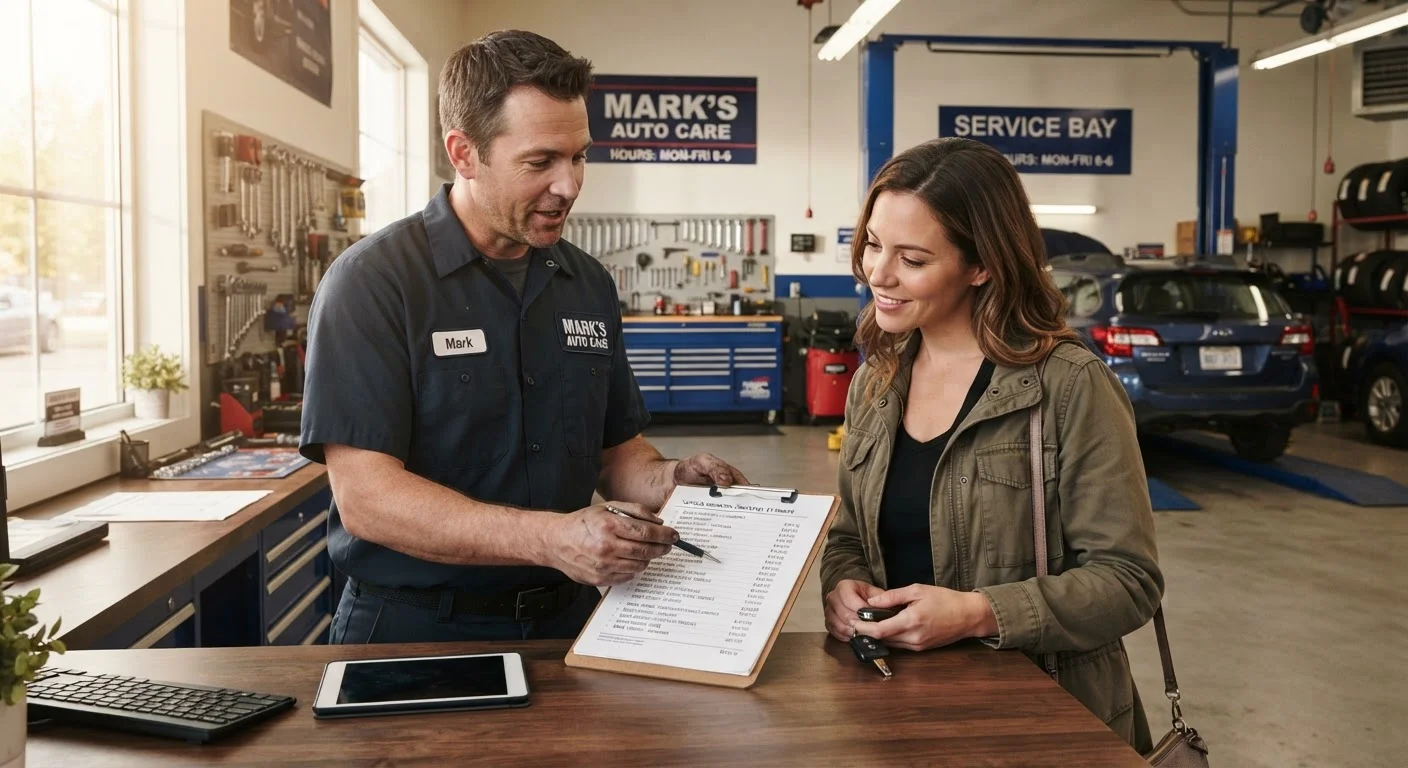
Reputable shops provide written estimates that itemize labor and parts before any work begins. This is standard practice across the industry and, in many states, required by law. Reviewing the estimate gives you the opportunity to ask questions, understand what's being done and why, and - if a cost seems unexpected - get a second opinion on a non-urgent repair before committing.
Ask the service advisor to explain any line items you don't recognize. If additional work is discovered mid-repair, a good shop will contact you for approval before proceeding rather than presenting a larger bill at pickup. Confirm this expectation upfront.
A written estimate reviewed before work starts is your clearest protection against billing surprises.
Understand the difference between urgent and routine
Not every warning light or recommended service requires immediate action - but some genuinely do. Brake issues, steering problems, warning lights that indicate engine or transmission faults, and fluid leaks affecting safety systems should be addressed promptly. Cosmetic issues, minor conveniences, or services due in several thousand miles generally allow more flexibility.
Mechanics appreciate customers who ask directly: "Is this urgent, or can it wait until my next visit?" That question signals that you're engaged and helps the technician give you an honest, prioritized picture rather than listing every possible recommendation at once. For clarity on what you can reasonably handle yourself versus what needs professional attention, see our guide on DIY car maintenance and knowing your limits.
Asking 'is this urgent?' signals engagement and helps mechanics give you an honest, prioritized answer.
Don't confuse tyre services - they're not interchangeable
Rotation, balancing, and alignment are three distinct services that are frequently misunderstood or conflated. A customer who declines "alignment" because they had "tyres done last month" may be declining a completely different service. Understanding what each one addresses - tread wear patterns, vibration, and directional pull, respectively - helps you make informed decisions and communicate more precisely with service staff.
Our article on tyre rotation, balancing, and alignment breaks down exactly what each service does and why all three matter for safe driving.
Rotation, balancing, and alignment solve different problems - knowing which is which prevents costly mix-ups.
Arriving Prepared Pays Off Every Time
A productive garage visit doesn't start when the mechanic lifts the hood - it starts when you notice something unusual and decide how to track and communicate it. The drivers who consistently get accurate repairs and fair pricing are those who treat their vehicle as something worth understanding, not just operating.
Take notes before your appointment
In the days before a service visit, jot down anything unusual you've noticed - sounds, smells, handling changes, warning lights. Even a short voice memo captured in the moment is useful. Mechanics often find that customers forget details in the moment; a brief written summary hands over at drop-off can save significant diagnostic time and improve the accuracy of the repair.
If you're unsure which services are genuinely necessary versus which are commonly misunderstood, our article on car ownership myths that cost drivers real money separates common misconceptions from sound advice. And for help staying ahead of routine work, the seasonal car maintenance calendar gives you a practical, month-by-month framework to follow.