Why Most Drivers Underestimate the Log
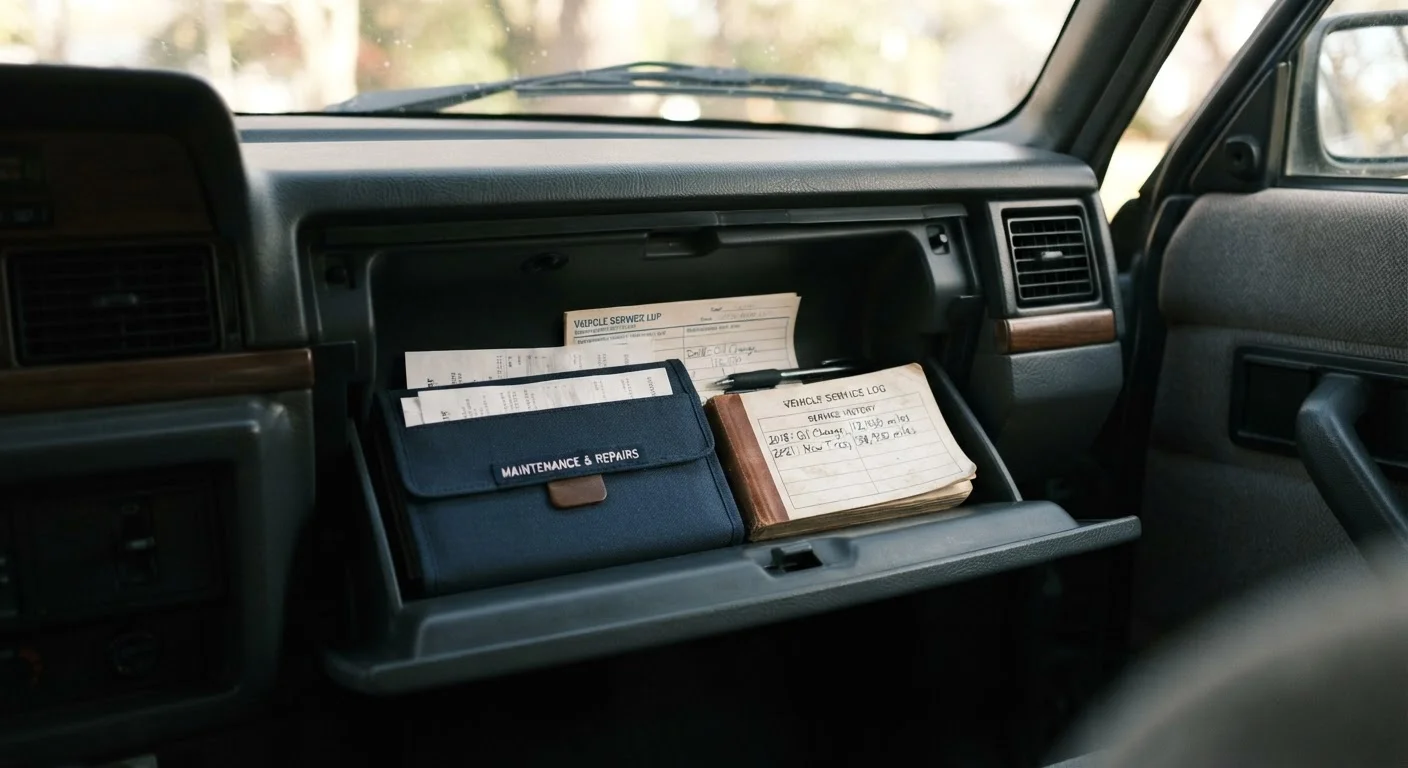
A vehicle maintenance log is rarely glamorous - it's a notebook in the glovebox or a folder of receipts stuffed in a drawer. But that humble record quietly does more work than most drivers realise. It's not just an administrative habit; it's a diagnostic tool, a negotiating asset, and a communication bridge between you and every mechanic who ever works on your car.
Many drivers think of their service history as something that matters only at resale time. In reality, it pays dividends every time the car needs attention. If you've ever struggled to remember when you last changed your brake fluid, or found yourself unable to explain to a mechanic exactly when a noise started, you already understand the cost of not keeping a log - even if you haven't named it yet.
For a broader foundation on what routine upkeep looks like across the year, the seasonal car maintenance calendar is a useful companion to the habits described here.
Best Practices for Building and Maintaining Your Log
The format of your log matters far less than the discipline of keeping it. A phone's notes app, a dedicated app, a spiral-bound notebook, or a digital spreadsheet all work - the goal is a dated, mileage-stamped record of everything that happens to the vehicle.
Record every service event at the time it happens - not weeks later from memory.
Accuracy degrades fast. Mileage, dates, and part specifics become fuzzy within days. Logging in the moment ensures the record is reliable enough to act on - for diagnostics, warranty claims, or resale negotiations.
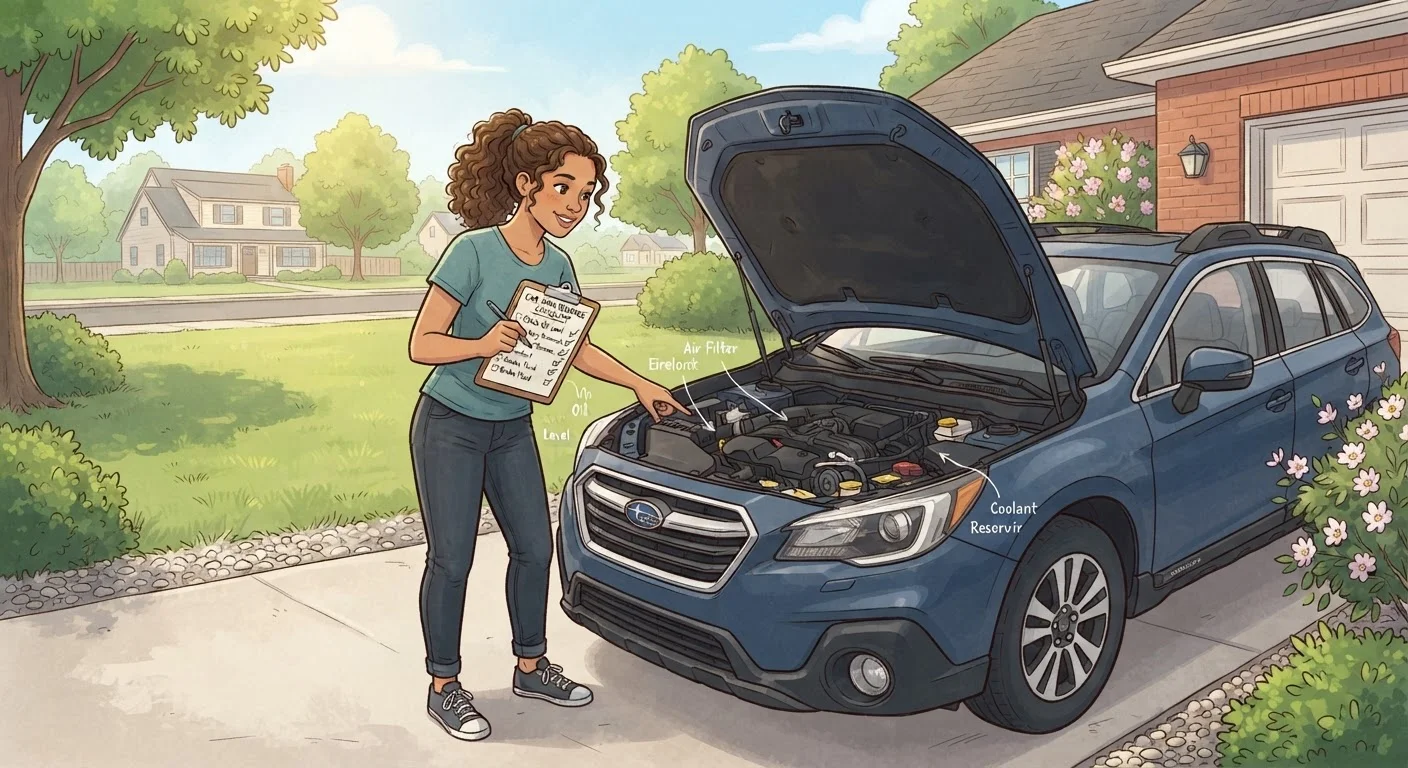
Include DIY work alongside professional services in the same log.
Mechanics and future owners need the full picture, not just what the shop touched. Omitting self-performed tasks like air filter replacements or wiper swaps creates gaps that can mislead diagnostics and erode trust during a sale.
Track patterns across entries, not just individual events.
A single brake pad replacement tells you little. Four entries showing accelerating wear over 18 months tells a story - possibly a caliper issue, a driving habit, or a rotor problem. Pattern recognition is where a log delivers its deepest value.
Store receipts and invoices alongside the log rather than in separate locations.
A handwritten log entry gains credibility when backed by a dated receipt. For warranty disputes or insurance claims, the paperwork is often what resolves the issue - the log alone may not be sufficient.
Note symptoms and observations, not just completed work.
Intermittent noises, occasional warning lights, or rough cold starts are often hard to reproduce at the garage. A dated log of when and under what conditions symptoms occur gives mechanics actionable context they can't get from a vague verbal description.
What Counts as a Log Entry?
An entry doesn't need to be complex. The date, mileage, what was done, who did it, and what it cost covers everything that matters. Even noting a topped-off fluid or a rotated tire adds useful data points over time. The goal is a running timeline, not a detailed technical report.
If you're newer to vehicle ownership and still building your maintenance foundations, getting started with car maintenance as a new driver explains the core intervals and habits that make logging straightforward from the start.
How Your Log Makes Garage Visits More Productive
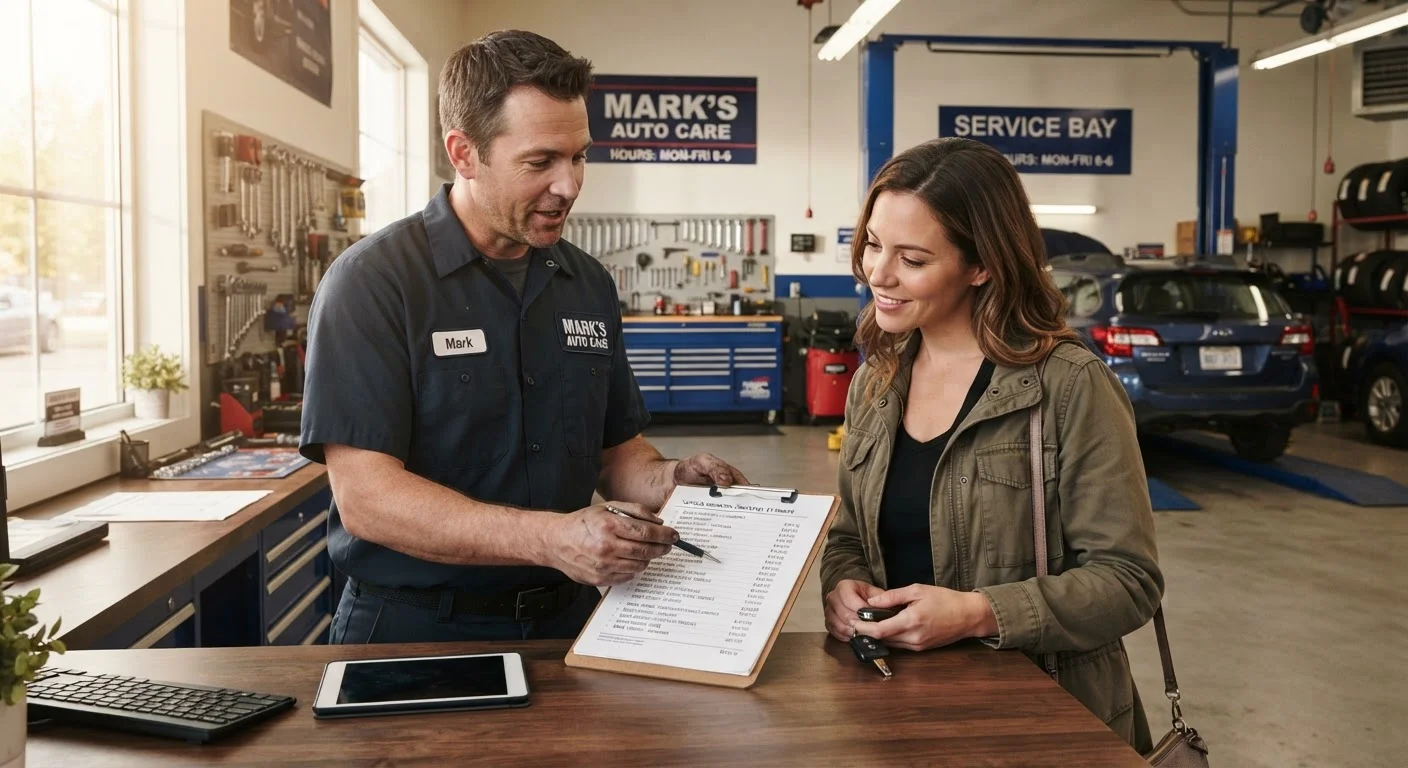
A well-kept log transforms the dynamic between driver and mechanic. Instead of reconstructing history from memory under pressure, you arrive with facts. Mechanics can cross-reference your entries against what they observe, identify whether an issue is recurring, and avoid redoing work that's already been done.
“The best diagnostic tool a mechanic has isn't the scanner - it's a patient who can tell you exactly when a symptom started and what was done to the car in the weeks before.”
— ASE-Certified Master Technician (composite insight from workshop practice), Automotive service professional with over 20 years of diagnostic experience
As mechanics themselves will tell you, a driver who can describe symptoms clearly and point to dated records is far easier - and cheaper - to help than one working from vague recollection.
Beyond the garage, a complete log has real financial implications. A documented vehicle history is one of the most persuasive tools when selling privately, and it can support insurance or warranty claims that might otherwise be disputed. For a deeper look at what to keep and why, see keeping maintenance records - why the paper trail matters.
Start Today: Three Immediate Actions
The value of a log compounds over time, which means the best moment to start one is always right now - even if you have to reconstruct a few months of history from receipts and memory. An imperfect log begun today is worth far more than a perfect log that never gets started.
Consistency is the one non-negotiable. Whether your car is new or has 150,000 miles on the clock, every entry you add makes the record more useful. Treat it the same way you treat your fuel receipts or insurance documents - as a basic part of responsible car ownership.