
Why a Seasonal Approach to Car Maintenance Works
Most drivers think about car maintenance only when something goes wrong - a warning light, a strange noise, or a tire that's clearly flat. A seasonal calendar flips that habit. By grouping tasks around the four seasons, you align maintenance with the conditions that stress your vehicle most: summer heat punishes cooling systems and batteries, winter cold strains fluids and tires, and the transitions in between are prime time for catching wear before it becomes a breakdown.
This approach also makes maintenance manageable. Rather than facing an overwhelming list once a year, you spread the work into four focused check-ins. If you're new to this kind of routine, our guide for new drivers walks through the fundamentals before you dive in.
Use the checklist groups below as your reference at the start of each season. Always cross-reference with your owner's manual - intervals vary significantly between makes and models, and the manufacturer's schedule takes precedence.
Spring (March-May)
Summer (June-August)
Fall (September-November)
Winter (December-February)
Tools and Resources You'll Need
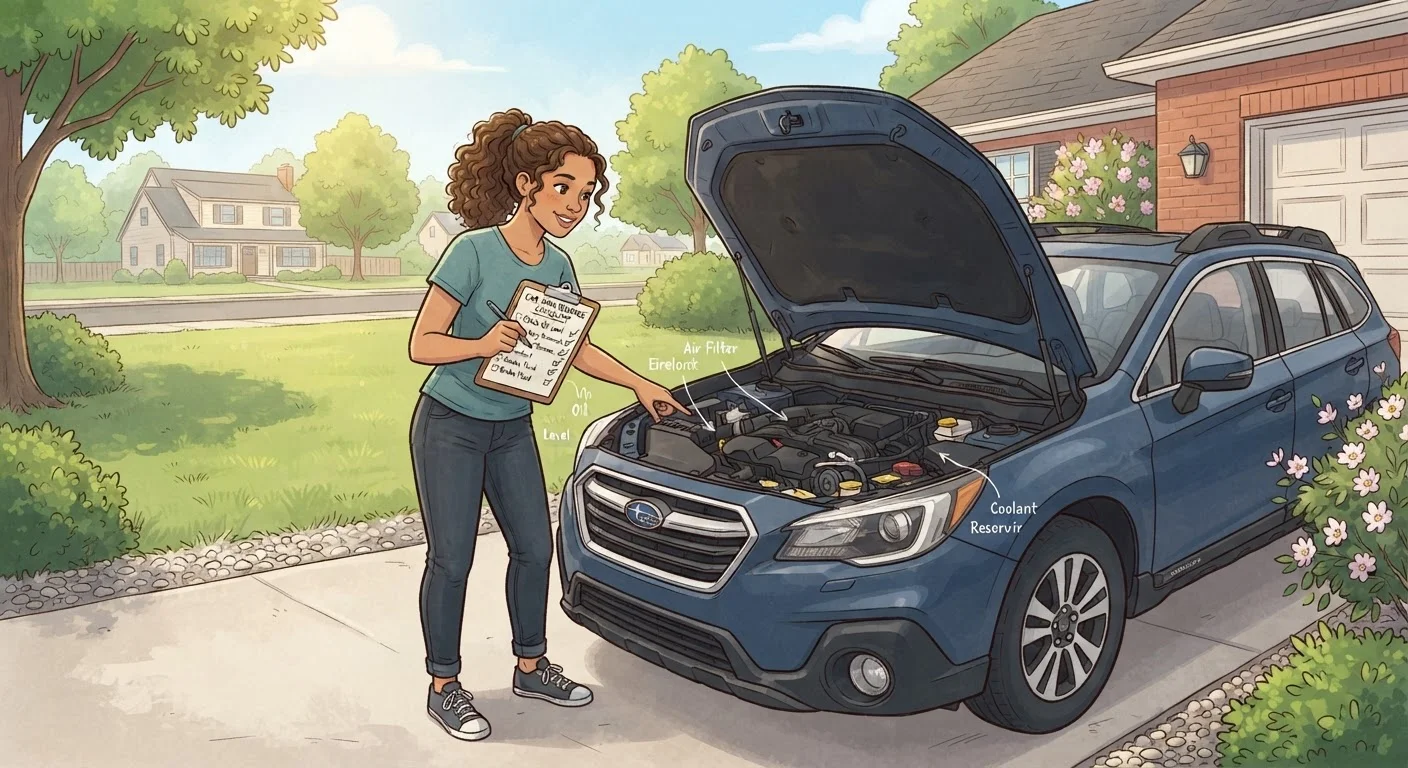
Most of the checks in this calendar are visual inspections or simple tests you can perform in your driveway. A few items require basic tools or a visit to a qualified mechanic. The table below covers what to have on hand.
Tire pressure gauge
Check inflation levels across all four tires at each seasonal transition and during winter's weekly pressure drops.
Tire tread depth gauge
Accurately measure remaining tread to determine whether tires are safe for the season ahead.
Multimeter or battery tester
Test battery voltage at home; many auto parts stores also offer free battery load testing.
Antifreeze / coolant tester
Verify that your coolant mixture is rated for the lowest temperatures expected in your area.
Flashlight or inspection light
Illuminate hard-to-see areas under the hood, around tires, and under the vehicle during visual inspections.
Owner's manual
The definitive reference for your vehicle's specific fluid types, capacities, and service intervals.
Maintenance log or app
Record every completed task with date and mileage to build a service history and spot recurring patterns.
Emergency roadside kit
Keep jumper cables, a reflective triangle, basic tools, and a first aid kit in the vehicle year-round.
For tasks involving brake lines, suspension components, fuel systems, or anything requiring the vehicle to be safely raised, always consult a licensed mechanic. DIY repairs on safety-critical systems carry real risk if performed incorrectly.
Know Your Limits Before Going DIY
Checks like tire pressure, fluid levels, and light bulb replacement are well within reach for most drivers. However, brake system work, suspension inspection, and any task requiring the vehicle to be safely elevated on jack stands carry serious safety risks if done incorrectly. When in doubt, book an appointment with a qualified mechanic - the cost of a professional inspection is almost always less than the cost of a repair caused by an incomplete or incorrect DIY attempt.
Tracking What You've Done - and Why It Matters
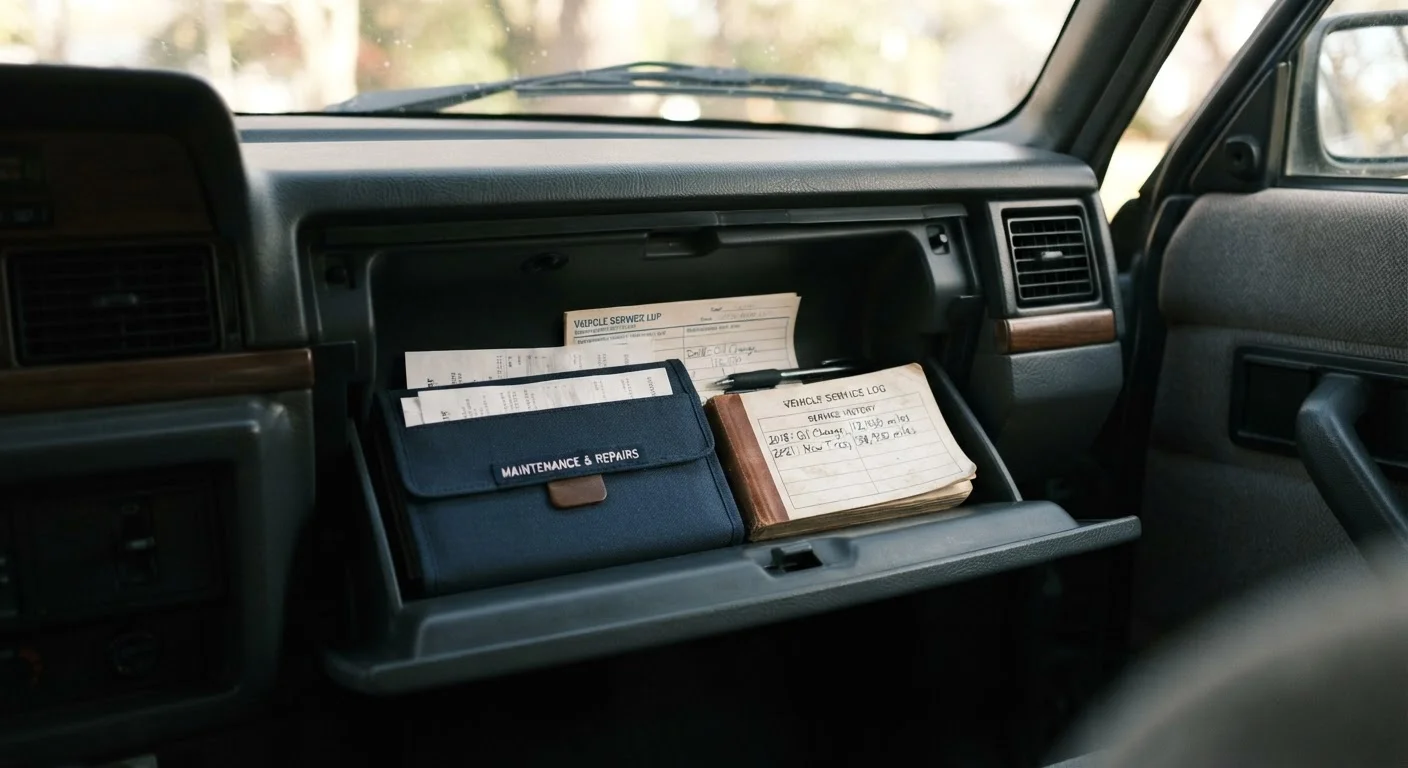
Working through a seasonal checklist is only half the job. Logging what you did, when, and with what parts or fluids closes the loop. A maintenance record helps you spot patterns - a battery that keeps struggling, or brake pads that wear faster than expected - and gives mechanics the context they need to diagnose problems accurately.
There's a financial case for it too. A documented service history supports your vehicle's resale value and can be essential in warranty or insurance disputes. Our article on why keeping a maintenance log matters explains what to record and how to organize it effectively.
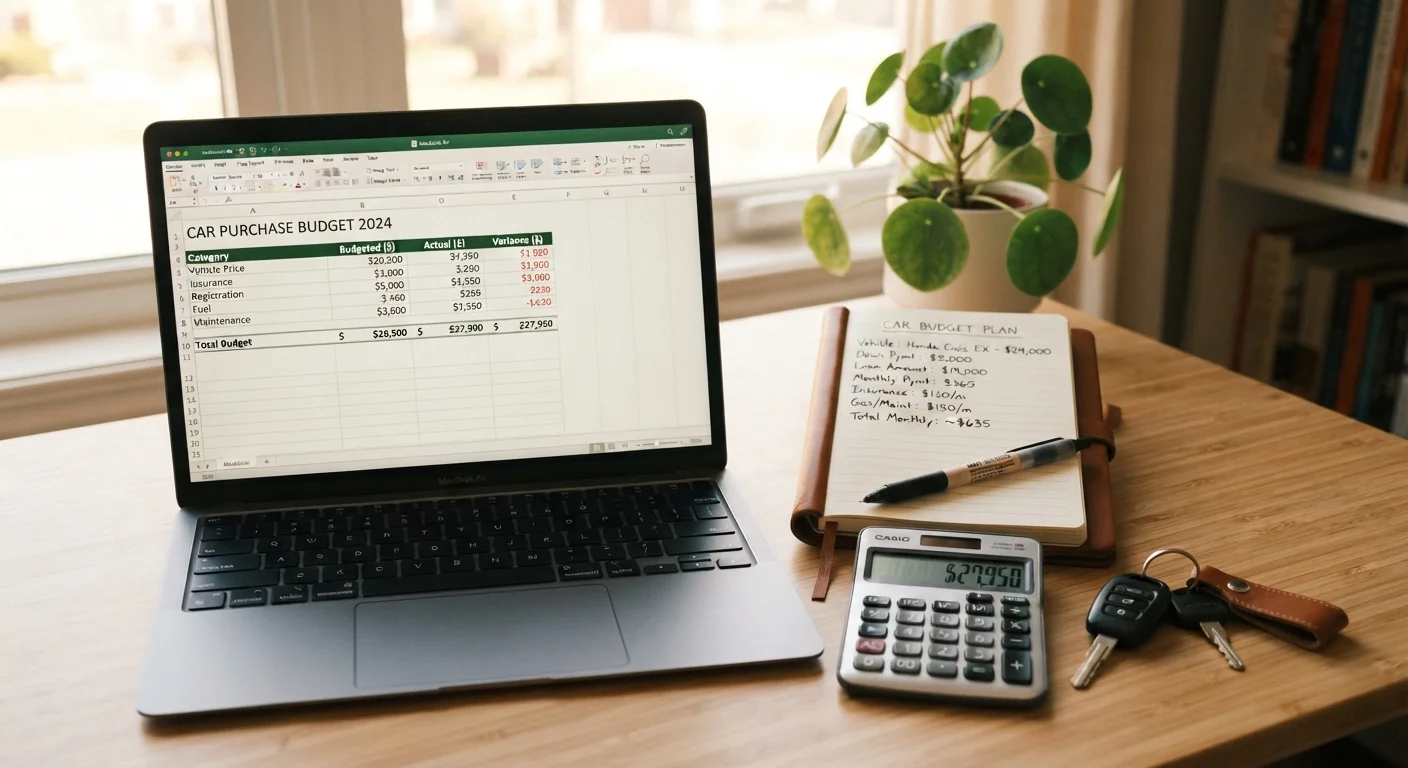
If you want to fold maintenance costs into a broader financial plan, building a realistic annual car budget provides a practical framework for estimating what routine upkeep - and the unexpected surprises - will actually cost you each year.
Your Owner's Manual Overrides This Calendar
This checklist is a general-purpose framework designed to fit most passenger vehicles driven in the continental US. It does not replace the maintenance schedule in your owner's manual, which is calibrated to your specific engine, drivetrain, and manufacturer requirements. Always check your manual for the correct oil type, filter specs, and service intervals - using the wrong specification can void warranties and cause premature wear.