
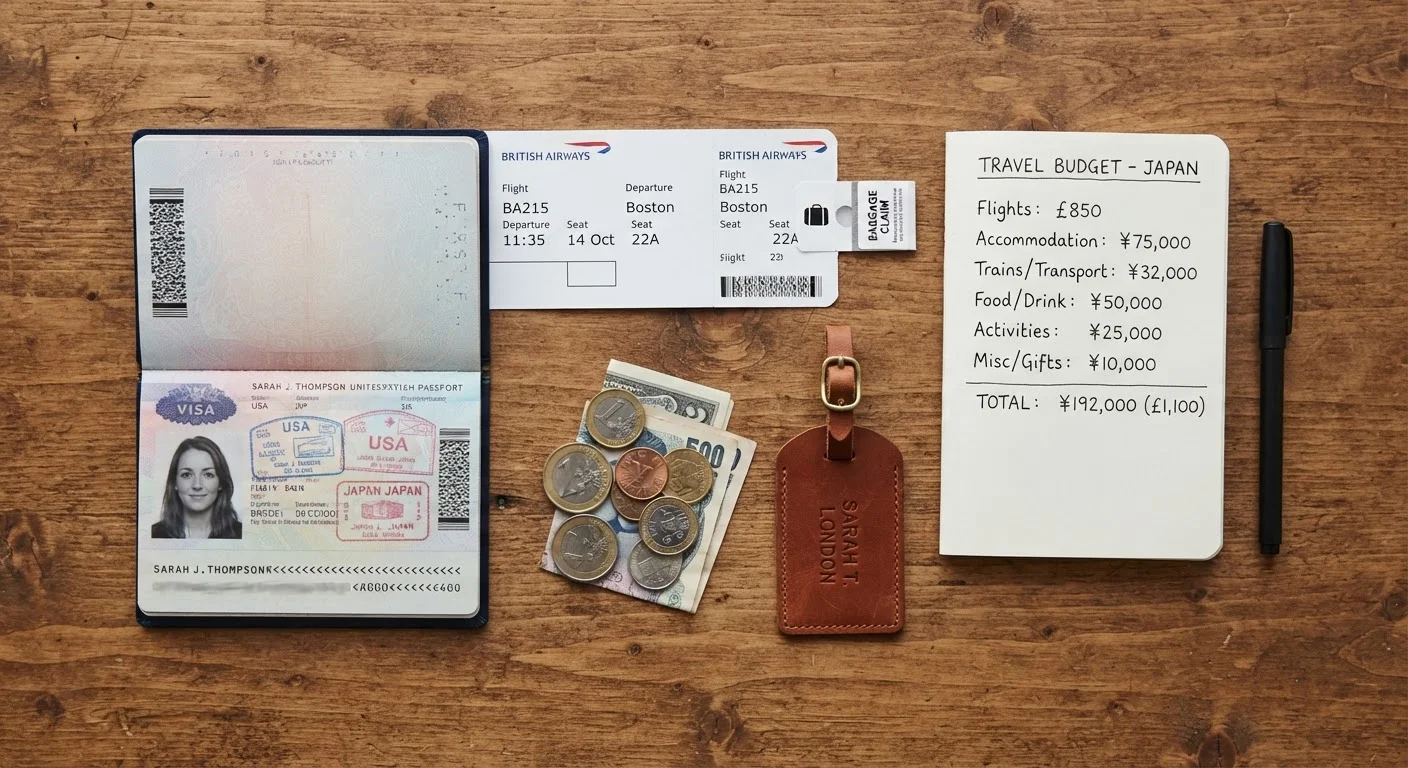
Why Travel Budgets Often Fall Short
Most travelers are diligent about the obvious line items - flights, hotels, meals, and maybe a museum or two. But seasoned journeyers know the real budget threats tend to lurk in the margins: the small, recurring, or one-time charges that never make it onto the initial spreadsheet. Individually, they feel minor. Collectively, they can derail an otherwise well-planned trip.
If you've ever returned home wondering where an extra few hundred dollars disappeared, you're not alone. This trip planning problem is nearly universal. The good news? Once you know where to look, these costs become entirely predictable - and budgetable. Here's a curated look at the hidden expenses most travelers forget to account for.
Visa Fees and Entry Requirements
Many travelers assume their passport is all they need to cross a border. In reality, dozens of popular destinations require advance visas - and those applications carry processing fees that range from modest to surprisingly steep. Some countries also require proof of onward travel, travel insurance, or minimum bank balances before granting entry.
Processing times add another variable: expedited visa services cost more, and missing a deadline can mean rebooking flights. Always check the official embassy or consulate website for your destination country well in advance, and budget the fee as a fixed line item from day one.
Visa fees are a fixed, predictable cost - yet they're among the most commonly forgotten budget items.
Tourist Taxes and City Levies
A growing number of cities and regions worldwide charge a nightly tourist or accommodation tax, collected separately from your hotel rate. Venice, Amsterdam, Barcelona, Bali, and many others levy these fees - and they're almost never included in the nightly price shown on booking platforms.
Depending on the destination and property category, these taxes can add anywhere from a couple of dollars to over $10 per person per night. For a week-long trip with multiple travelers, that's a real number. Look up your destination's current tourism levy and factor it into your accommodation budget from the start.
Tourist taxes are rarely shown in booking prices - they're paid separately, often at check-in.
Checked Baggage and Carry-On Surcharges
Airlines - particularly budget carriers - have turned baggage into a significant secondary revenue stream. What looks like an affordable fare can balloon once you add a checked bag, a slightly oversized carry-on, or a seat selection fee. On some routes, baggage fees can nearly double the ticket price.
Before booking, read the fare class rules carefully and compare the total cost including bags. If you're traveling with gear that must be checked (sports equipment, medical devices), research the airline's specific policies and fees. Packing light and strategically is one of the most reliable ways to keep this line item manageable. See our guide on common travel planning myths for more on how fare assumptions can cost you.
Baggage fees can nearly double an economy fare - always calculate the total cost, not just the base price.
Foreign Transaction and Currency Exchange Fees
Using your regular debit or credit card abroad often triggers foreign transaction fees - typically 1-3% on every purchase. That percentage compounds across every meal, taxi, and souvenir over a two-week trip. ATM withdrawal fees from foreign banks add another layer of cost.
Dynamic currency conversion (DCC) - when a foreign merchant or ATM offers to charge you in US dollars instead of local currency - almost always results in a poor exchange rate and should generally be declined. Understanding how your cards work internationally before you leave is one of the highest-value pieces of pre-trip research you can do. Our deep-dive on currency exchange myths separates fact from fiction on this topic.
Declining dynamic currency conversion and using a fee-free travel card can save meaningful money abroad.
Airport Transfers and Ground Transportation
Flights get you close - but that last stretch from the airport to your accommodation is rarely free or cheap. Airport taxis, ride-hailing surcharges, express train tickets, and shuttle services all vary widely by city and time of day. Late-night arrivals often mean surge pricing or limited transit options, pushing costs higher.
Research your airport's ground transportation options before you land. Some cities have affordable, direct rail links; others require a taxi that costs more than you'd expect. Factoring in both arrival and departure transfers - for every traveler in your group - often reveals a budget gap of $50-$150 that simply wasn't accounted for.
Airport transfer costs for a group can quietly add $100 or more that never appeared in the original plan.
Tipping Norms Abroad
Tipping customs vary dramatically around the world - and getting them wrong costs you in either direction. In the United States, tipping is deeply embedded in service culture; in Japan, it can be considered rude; in much of Europe, rounding up or leaving small change is customary rather than a percentage-based tip.
For US travelers visiting countries with strong tipping cultures (Mexico, the Caribbean, many parts of Latin America), daily gratuities for restaurant servers, hotel staff, tour guides, and drivers can add $15-$30 per person per day - a significant figure over a 10-day trip. Research the tipping norms for your specific destination and build a realistic daily estimate into your budget.
Tipping norms are destination-specific - research them before departure to avoid budget surprises and cultural missteps.
Travel Insurance and Health Coverage Gaps
Many travelers either skip travel insurance entirely or assume their existing health insurance covers them abroad - often it doesn't, or coverage is severely limited outside a home network. Medical evacuation alone can cost tens of thousands of dollars without coverage.
Travel insurance premiums are a real upfront cost, but they belong in the budget as a deliberate line item rather than an afterthought. Understanding exactly what a policy covers - and what it excludes - matters as much as having one. Our article on what travel insurance actually covers provides a clear breakdown of typical inclusions and common gaps.
Travel insurance is a budget line item, not an optional extra - the cost of going without it can be enormous.
Build a Budget That Accounts for the Full Picture
The hidden costs outlined above aren't rare edge cases - they're the normal texture of international and even domestic travel. The key spending categories in any travel budget include far more than flights and hotels, and the travelers who feel most financially confident abroad are simply those who've done the homework upfront.
A practical approach: once you've totaled your known costs, add a 10-15% contingency buffer before declaring your budget complete. That cushion absorbs the small surprises - a checked bag you didn't plan for, a taxi because transit isn't running - without forcing a panicked recalculation mid-trip. For a deeper look at where money tends to disappear at home and on the road alike, spending categories Americans routinely underestimate offer useful parallels.
Make a Hidden-Costs Checklist Before Every Trip
Before finalizing any travel budget, run through this category list explicitly: visa fees, tourist taxes, baggage charges, transfer costs, tipping allowance, currency fees, and insurance. Treating each as its own line item - rather than assuming it's covered in a vague 'miscellaneous' category - gives you a far more accurate total. A budget that reflects reality is a budget you can actually stick to.
This article is for general informational purposes only. Travel costs, taxes, visa fees, and entry requirements change frequently - always verify current details with official government sources, your airline, and destination tourism authorities before you travel.