
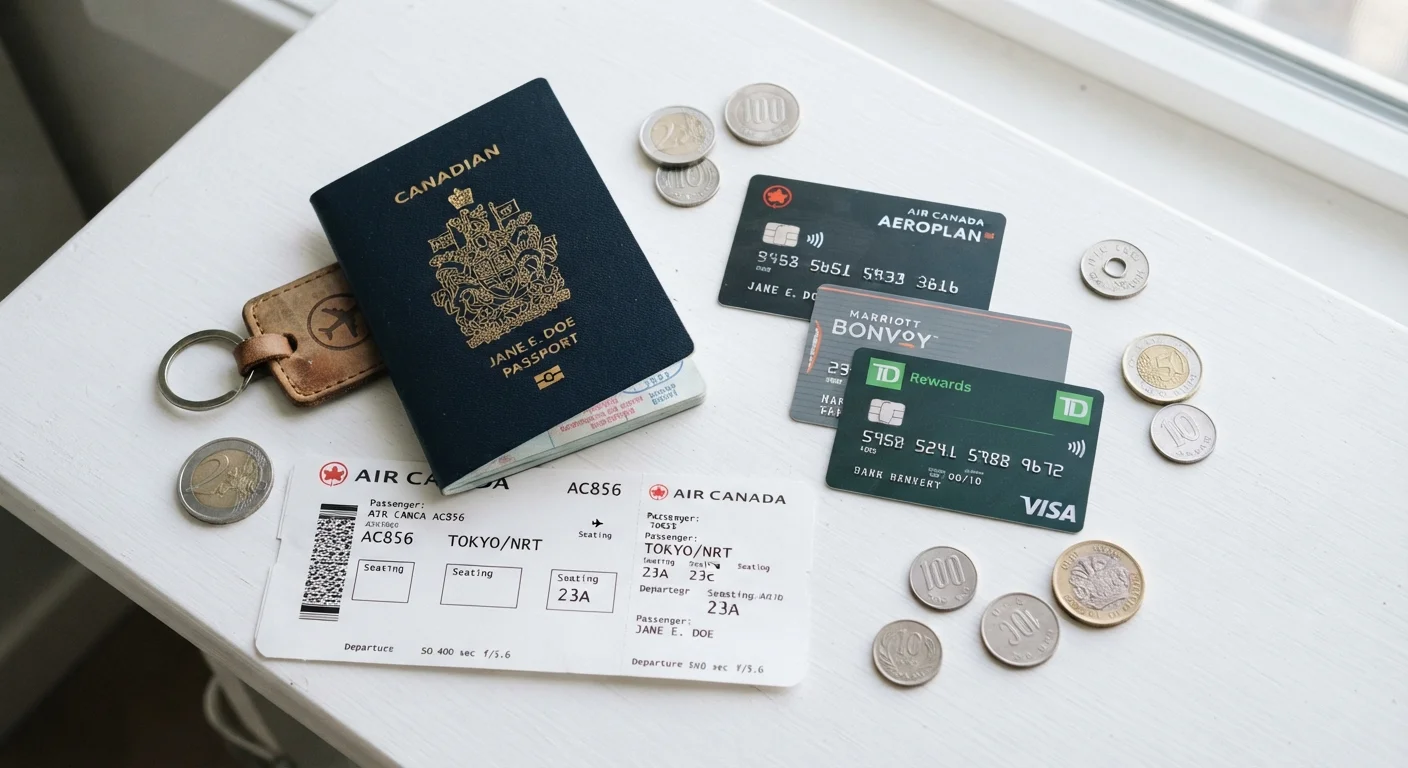
How Points and Miles Are Earned
Every travel rewards programme has its own earning structure, but most work on a simple premise: spend money in qualifying categories, receive points or miles in return. Airline programmes traditionally award miles based on the distance flown or the fare class purchased. Hotel programmes typically award points per dollar spent on qualifying room rates. Credit card reward programmes are the wildcard - they attach earning to everyday categories like groceries, gas, dining, and travel bookings, often at multiplied rates for specific categories.
The most efficient earners usually combine two streams: a co-branded credit card tied to a favourite airline or hotel, plus direct activity within that loyalty programme. When planning a trip, considering how earning fits your lifestyle is just as important as comparing prices. Pair this thinking with solid itinerary planning to make sure your chosen routes and accommodations actually earn you points.
Stack Your Earning When Possible
Many programmes allow 'stacking' - earning airline miles for a flight, hotel points for the stay, and credit card points for the same purchase simultaneously. This is entirely legitimate and simply requires linking your loyalty numbers at booking. Over time, stacking can meaningfully accelerate your point accumulation without any extra spending.
What Points Are Actually Worth
Here's where many travellers get tripped up: a point is not a fixed currency. Its value depends entirely on how you redeem it. Cash-back redemptions often yield the lowest value - sometimes less than one cent per point. Statement credits fall in a similar range. The highest-value redemptions are typically premium cabin flights, particularly international business or first class, where the cash price is steep but the award rate hasn't kept pace.
To get a rough sense of value, divide the cash cost of a redemption by the points required. If a flight costs $400 and requires 40,000 points, you're getting roughly one cent per point. Many experienced travellers target two cents per point or more by booking strategically. Keep in mind that programmes regularly adjust award rates, so a calculation that worked last year may not hold today.
~1¢
Typical baseline value per airline mile
Industry analysts often cite one US cent per mile as a rough floor, with premium redemptions potentially reaching two to three cents or more depending on the programme and route.
30%
Points that reportedly go unredeemed annually
Research from loyalty industry analysts has estimated that a significant share of earned loyalty points expire or are never redeemed each year, representing substantial lost value for consumers.
1:1
Common credit-to-airline transfer ratio
Many major US bank reward programmes offer a 1:1 transfer ratio to select airline partners, though ratios vary by partnership and can change at the programme's discretion.
Common Pitfalls and How to Sidestep Them
Travel rewards programmes are genuinely useful - but they come with traps that can quietly erode their value. The most common: letting points expire through inactivity, or accumulating points in a programme with no realistic path to a meaningful redemption. Hoarding points is also risky; currency devaluations happen, and a programme can quietly reduce how far your points go with little notice.
Another underappreciated pitfall is paying fees and surcharges on award bookings that wipe out much of the benefit. Some carriers layer fuel surcharges onto award tickets that can run hundreds of dollars. Always tally the full out-of-pocket cost of any award redemption before confirming. It's worth reading up on currency and fee myths alongside reward strategies - hidden costs in travel have a way of compounding.
Award Availability Is Not Guaranteed
Loyalty programmes do not guarantee award seat availability on any given flight or date. Award inventory is controlled by the airline and can be extremely limited on popular routes or peak travel periods. Flexibility on dates and destinations will consistently give you more redemption options than rigidly targeting a single itinerary.
Redeeming Smartly: Transfers, Upgrades, and Timing
The most powerful feature many travellers overlook is point transfers. Several major US bank credit card programmes allow you to move points to a menu of airline and hotel partners - sometimes at a 1:1 ratio. This flexibility lets you hunt for the best award availability across multiple programmes rather than being locked into one. Transfers are typically instant but irreversible, so research availability before moving any points.
Timing matters too. Award space on popular routes tightens quickly, especially around holidays. Booking award travel far in advance - or sometimes at the last minute when unsold seats open up - can improve your options. If an upgrade is your goal rather than a free flight, confirm whether your status level or fare class qualifies; upgrade awards often require both points and a base paid fare. For those weighing whether a connecting itinerary makes sense for an award booking, our breakdown of direct vs. connecting flights covers the practical trade-offs clearly.
This article is for general informational purposes only and does not constitute financial or travel advice. Programme terms, point values, and award availability change frequently - always verify details directly with the relevant loyalty programme before making decisions.