Why 'Seeing the Sights' Often Misses the Point
Ticking landmarks off a list is satisfying, but it rarely tells you what a city is actually about. The real character of a place lives in its neighborhood bakeries, transit hubs, weekend farmers markets, and the conversations happening in community parks - not just its most photographed intersections.
Curious travelers who approach a city as something to understand, rather than merely see, return home with something richer than a camera roll. They return with genuine insight. See our guide to planning a well-rounded trip for how preparation shapes the quality of every experience on the ground.
Research the city's distinct neighborhoods before building your itinerary.
Most cities are actually a patchwork of distinct communities, each with its own history, demographics, and character. Treating the city as a single undifferentiated place leads to shallow, repetitive experiences concentrated in the most commercialized zones.
Use public transit at least once, even if you have a rental car.
Local transit systems are social infrastructure. Riding a city's bus, subway, or streetcar puts you in contact with everyday residents and reveals the city's spatial logic in a way that driving through it never does.
Spend time in at least one public market or community gathering space.
Markets, plazas, and community centers are where local commerce, culture, and social life intersect. They're among the most accessible and welcoming spaces for visitors who want context, not performance.
Read local journalism and arts listings before and during your visit.
Local newspapers, alt-weeklies, and community blogs cover what's actually happening in a city - neighborhood debates, cultural events, emerging venues - rather than what's optimized for tourist consumption.
Build deliberate walking time into every day - without a destination.
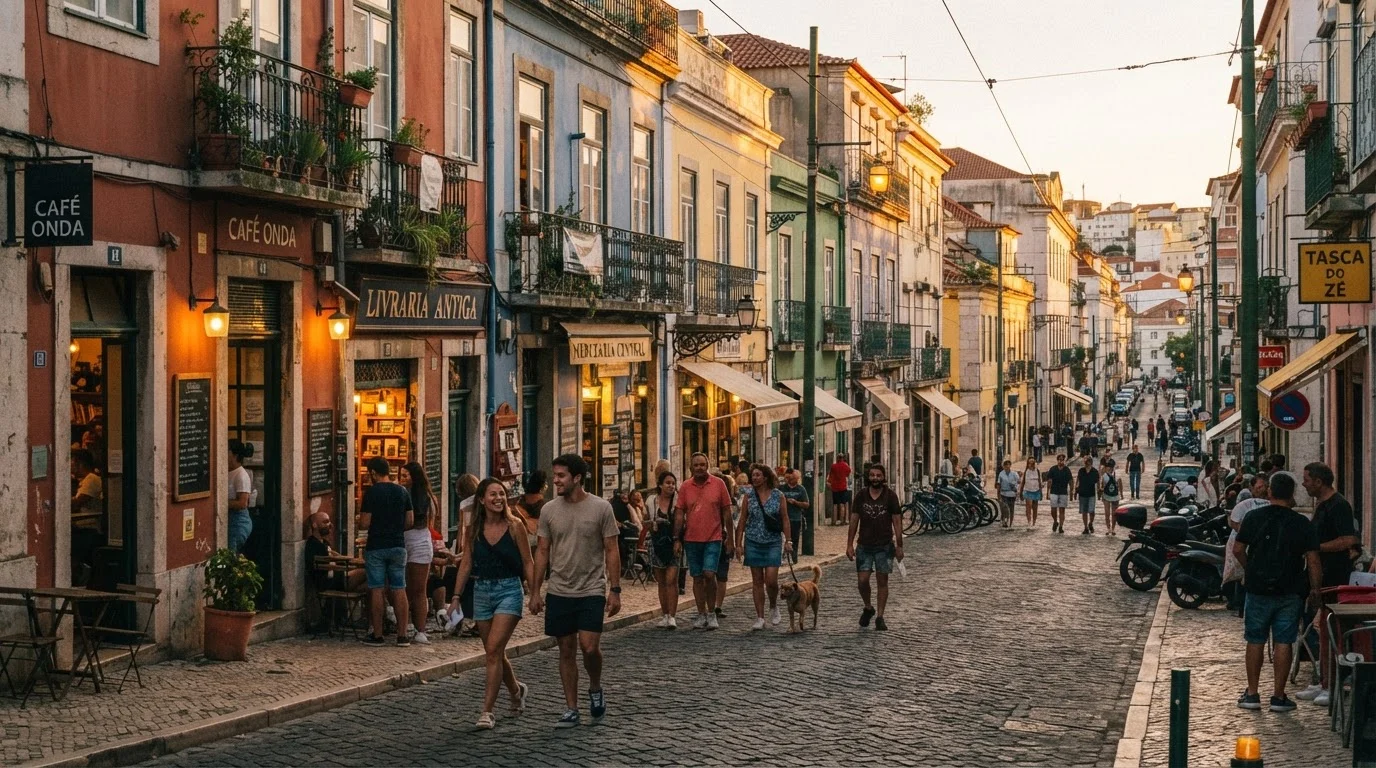
Unscheduled walking is how travelers encounter the unexpected: the mural around the corner, the bookshop with a hand-written notice board, the street musician who's been performing in the same spot for twenty years. Over-scheduling eliminates these moments entirely.
Ask questions that invite stories, not just directions.
When you ask a resident where to find the nearest coffee shop, you get logistics. When you ask what their neighborhood has changed most in the last decade, you get history, personality, and genuine connection.
Quick Wins You Can Apply Before You Even Arrive
Some of the most effective urban exploration happens before you step off the plane. A little advance research - the right kind - transforms wandering into something purposeful and opens doors that pure spontaneity can't.
Reading a City Like a Local
Cities communicate constantly - through their street grids, public art, transit infrastructure, and commercial patterns. Learning to notice these signals turns even a short visit into a genuinely educational experience.
72%
Travelers seeking authentic local experiences
According to Booking.com's annual Sustainable Travel Report, a large majority of surveyed travelers say they want to experience destinations like a local rather than a tourist.
63%
Visitors who stay in one neighborhood
Research from urban tourism studies suggests most short-term visitors spend the majority of their time within a single commercially developed district, missing much of a city's actual character.
Pay attention to where locals actually eat lunch on a weekday, which transit lines run most frequently, and which neighborhoods have the most foot traffic at different times of day. These patterns tell you where the city's economic and cultural energy is concentrated - often far from the tourist corridor.
For US travelers venturing into unfamiliar regions, the regional verification checklist is a practical pre-trip resource worth reviewing. And if you're still weighing destinations, lesser-known US destinations may offer the depth you're looking for without the crowds.
Safety and Neighborhood Awareness
Exploring beyond tourist zones is rewarding, but it's worth doing basic research on any neighborhood you plan to visit independently - particularly at night. Local tourism offices, city subreddits, and travel forums are useful for getting current, ground-level perspectives. Always verify safety-related information through current, official local sources before you go.