Two Southern Cities, Two Distinct Identities
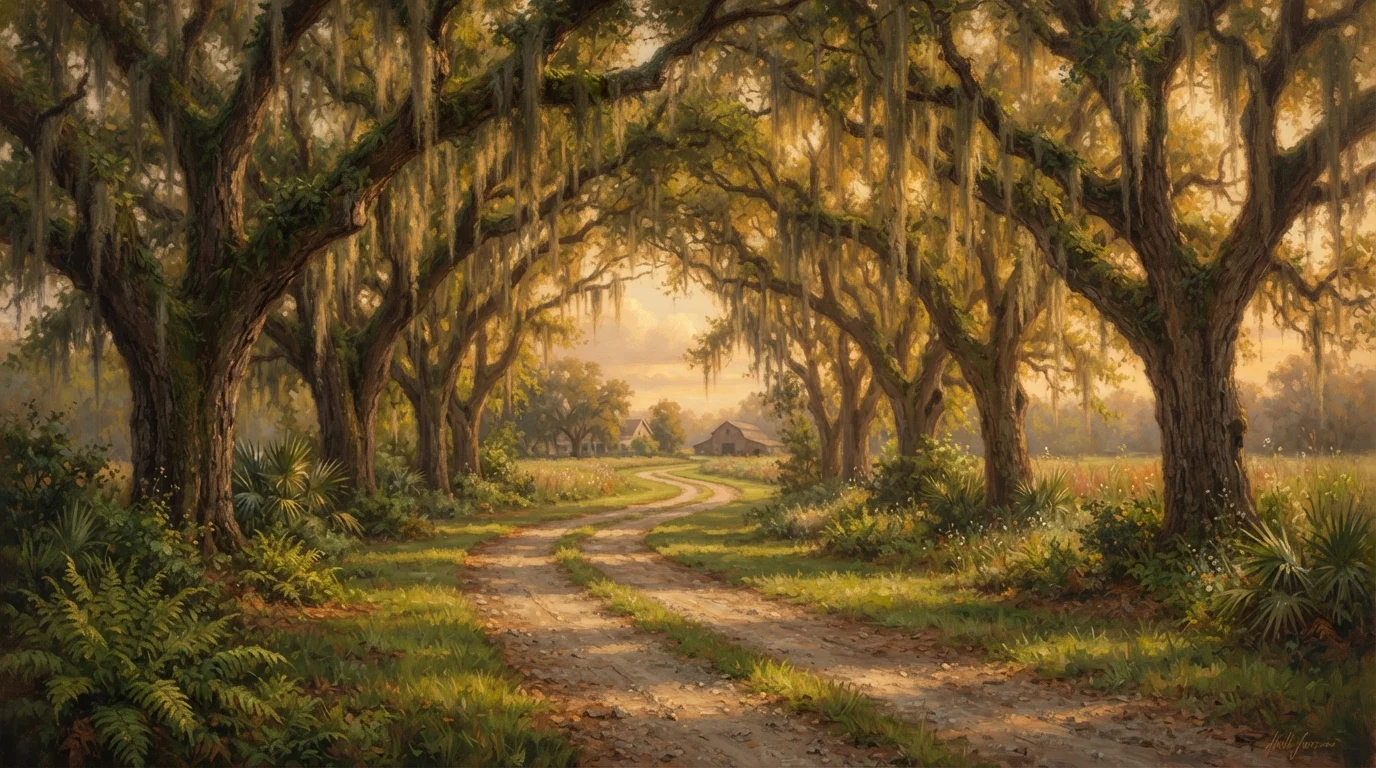
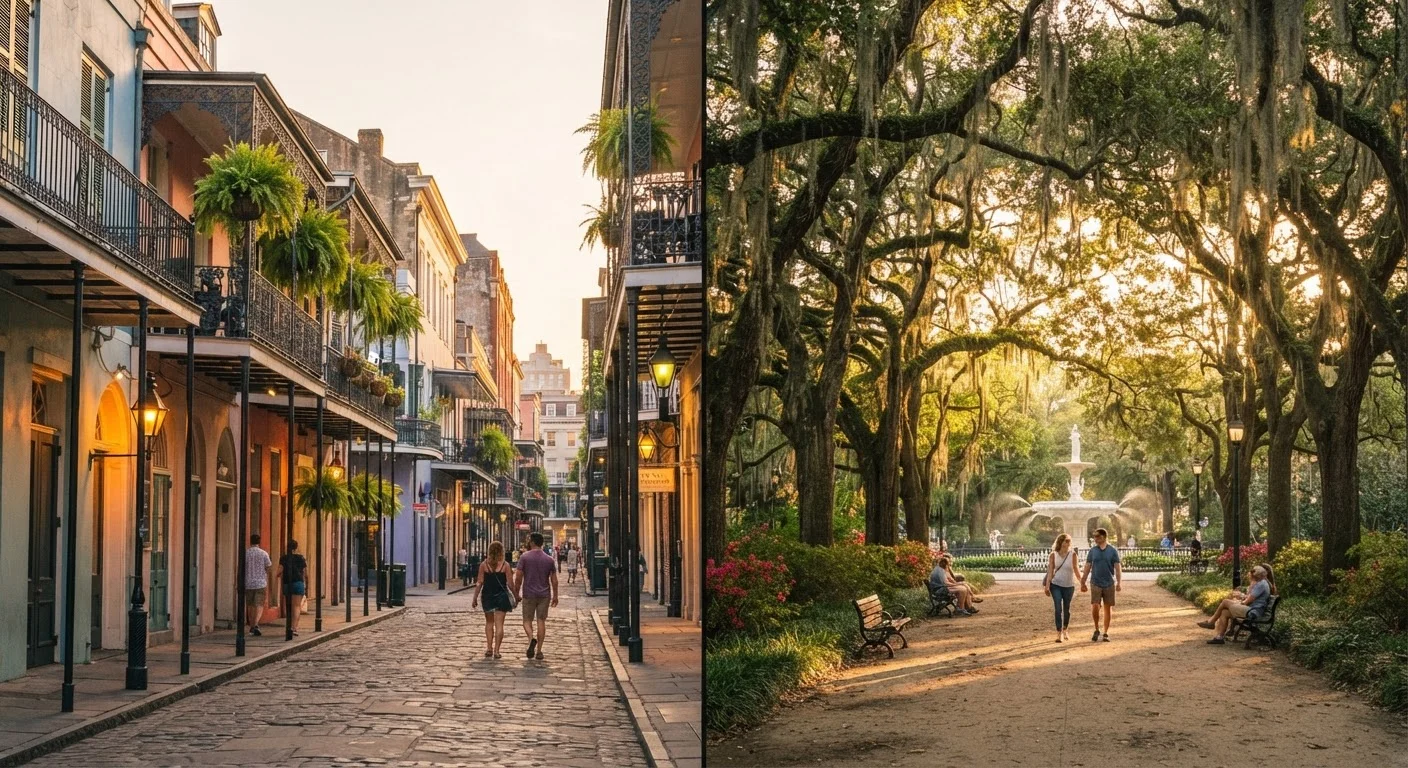
Ask most Americans to picture the South, and they'll summon something between these two cities - the raucous jazz of Bourbon Street or the moss-draped serenity of Forsyth Park. New Orleans, Louisiana and Savannah, Georgia are both beloved for their history, ghost stories, and food cultures, yet stepping into each feels like entering a different world entirely. Before you book, it helps to understand what makes each city tick. (And if you're arriving with assumptions about the region, check what the South is actually like before you go.)
New Orleans grew from French and Spanish colonial roots, absorbing West African, Caribbean, and Creole influences to create a culture that's genuinely singular. Savannah, founded in 1733 as Georgia's first city, was designed around a grid of public squares - a layout that still defines daily life there. History runs deep in both places, but the texture of that history couldn't feel more different.
Food, Music, and Nightlife
New Orleans is arguably the most food-obsessed city in the United States. Dishes like gumbo, jambalaya, beignets, and crawfish étouffée reflect centuries of cultural layering. The music scene - jazz, brass band, zydeco - spills out of clubs and onto the streets with infectious energy, particularly in the French Quarter and the Marigny neighborhood. Nightlife here is famously unconstrained; the city's open-container laws mean the party flows between venues and sidewalks with ease.
Savannah's food scene has grown significantly in recent decades, with a thriving restaurant culture along Broughton Street and in the City Market area. Southern staples like shrimp and grits, fried chicken, and pecan-based desserts anchor local menus. The nightlife is more measured - rooftop bars, craft cocktail lounges, and live music venues exist, but the city's vibe after dark leans toward convivial rather than electric.
Combine Both Cities on One Trip
New Orleans and Savannah are roughly 500 miles apart by road - manageable as a multi-stop road trip through Mississippi, Alabama, and Georgia. Many travelers pair the cities with a stop in Mobile or Charleston to build a fuller Southern itinerary. Give each city at least three full days to avoid feeling rushed.
Architecture and Walkability
Savannah earns consistent praise as one of the most walkable cities in the American South. Its 22 historic squares - each anchored by statues, fountains, or gardens and framed by antebellum townhouses - create a pedestrian experience that feels like moving through a living museum. The Historic District is compact and eminently strollable, making it a natural fit for travelers who want to wander without an agenda.
New Orleans offers its own architectural splendor - the French Quarter's ornate iron balconies, the grand Garden District mansions, and the colorful Creole cottages of the Tremé - but the city is considerably larger and less walkable as a whole. Navigating between neighborhoods often requires streetcar rides or rideshares. That said, the French Quarter itself is highly walkable, and the streetcar lines add a charming dimension to getting around.
| Category | New Orleans | Savannah | |
|---|---|---|---|
| Cultural Identity | Creole, Caribbean, French-Spanish colonial | English colonial, antebellum Southern | |
| Food Scene | Bold Creole and Cajun cuisine | Classic Southern with modern influence | |
| Nightlife | Vibrant, late-night, open-container culture | Relaxed bars, rooftops, live music spots | |
| Walkability | High in French Quarter; varies by neighborhood | Excellent throughout Historic District | |
| Crowd Peaks | Mardi Gras, Jazz Fest (February-May) | St. Patrick's Day, spring and fall | |
| Best For | Festival lovers, foodies, night owls | Architecture fans, slow travelers, couples |
Practical Considerations: Budget, Weather, and Timing
Both cities sit in humid subtropical climates, meaning summers are hot and sticky. Spring and fall are generally the most comfortable windows for visiting either destination. New Orleans hosts major events - Mardi Gras in late winter and Jazz Fest in spring - that dramatically affect hotel rates and crowd levels. If you're targeting those events, plan and budget well in advance; if you're avoiding them, you may find the city far more relaxed and affordable.
Savannah's tourism peaks during spring (particularly around St. Patrick's Day, one of the largest celebrations in the country) and fall, but the swings in pricing and crowds are generally less dramatic than New Orleans. Both cities have walkable historic cores where much of the sightseeing is free, which helps travelers manage costs. Accommodation styles differ too - New Orleans leans toward boutique hotels and guesthouses in the Quarter; Savannah is known for its converted historic inns and bed-and-breakfasts.
22
Historic squares in Savannah's layout
Savannah's original 1733 city plan included 24 squares; 22 survive today and remain central to the city's character and pedestrian life.
1.4M+
Estimated Mardi Gras visitors annually
The New Orleans Convention and Visitors Bureau has historically estimated over a million visitors attend Mardi Gras celebrations each year, though figures vary by season.