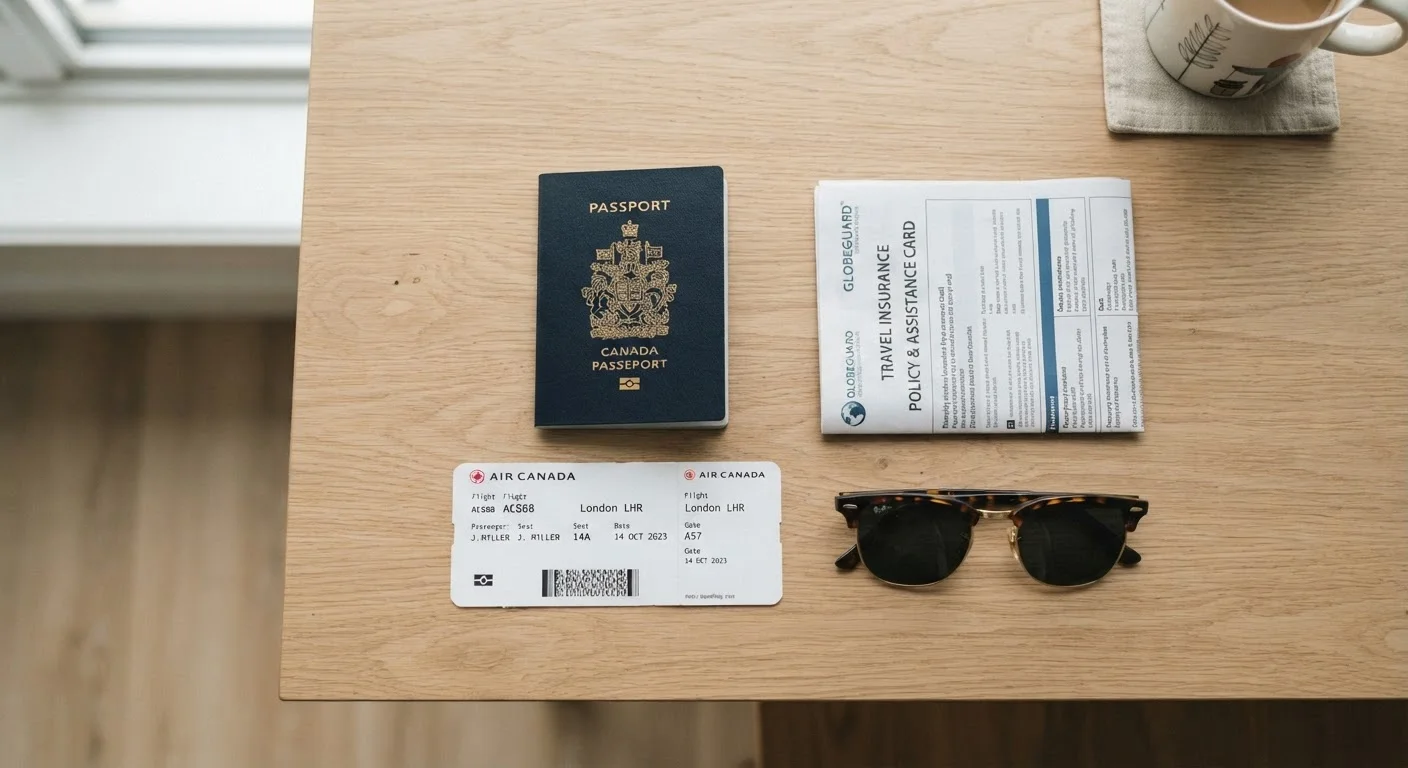

The Core Coverage Categories You'll Encounter
Travel insurance is not a single product - it's a bundle of distinct coverage types that can be purchased together or separately. Understanding each category is the fastest way to figure out what you actually need.
- Trip Cancellation & Interruption: Reimburses prepaid, non-refundable costs if your trip is cancelled or cut short due to a covered reason - typically serious illness, a death in the family, natural disaster, or airline bankruptcy.
- Emergency Medical Coverage: Pays for unexpected medical treatment abroad. This is arguably the most valuable component, since domestic health insurance often provides little or no coverage outside the U.S.
- Medical Evacuation: Covers the cost of transporting you to an appropriate medical facility. Air evacuations from remote locations can exceed $100,000 - coverage here is particularly important for adventure travelers.
- Baggage & Personal Effects: Compensates for lost, stolen, or damaged luggage. Coverage limits per item are often low - fine print matters here.
- Travel Delay: Provides a daily allowance for meals and accommodation if your trip is delayed beyond a set threshold (typically 6-12 hours) due to a covered cause.
$50,000+
Typical cost of medical air evacuation
Medical evacuations from remote destinations frequently exceed $50,000, according to travel insurance industry estimates - often more than a traveler's entire trip cost.
~1 in 6
Travelers who experience a travel disruption
Industry surveys suggest roughly one in six insured travelers files some form of travel insurance claim, most commonly for trip cancellation or medical expenses.
10-21 days
Typical window to add CFAR or pre-existing condition waiver
Most insurers require optional upgrades like Cancel for Any Reason or pre-existing condition waivers to be added within 10-21 days of the traveler's first trip deposit.
For a broader look at how insurance policy language works across different coverage types, the breakdown of typical coverage and common exclusions is worth reviewing alongside any policy you're considering.
What Travel Insurance Typically Does NOT Cover
The exclusions list is where most claim disputes originate - and where many travelers feel blindsided. A spirited read-through of the fine print before buying is genuinely worth the time.
Government Advisories Change Coverage
If a destination is under a 'Do Not Travel' advisory from the U.S. State Department at the time of purchase - or when an incident occurs - most policies will not cover losses related to that advisory. Always check current advisories at travel.state.gov before purchasing a policy and again before departure. Coverage purchased after a known event is declared is rarely valid for that event.
- Pre-existing medical conditions are excluded from most standard policies unless a waiver is purchased promptly after booking.
- Known events: If a hurricane has already been named, or a travel advisory is already in effect when you buy coverage, related losses are generally not covered.
- Reckless or illegal behavior: Injuries or losses resulting from intoxication, illegal activity, or deliberately ignoring safety warnings are routinely excluded.
- Changing your mind: Deciding you don't want to travel is not a covered reason under standard trip cancellation - only a CFAR upgrade addresses this.
- Unattended belongings: Baggage left unattended in a public place is commonly excluded from theft coverage.
- High-risk activities: Extreme sports, moped rental accidents in certain countries, and commercial diving often fall outside standard medical coverage.
If your trip involves activities like backcountry skiing or motorbiking, look specifically for a policy with an adventure sports rider. When in doubt, call the insurer before you travel - not after an incident occurs.
How to Read a Policy Before You Buy
Every policy has two critical sections that deserve equal attention: the Schedule of Benefits (what's covered and up to what dollar amount) and the Exclusions & Conditions (what voids or limits those benefits). Most buyers read only the highlights - and that gap is where surprises happen.
Always Buy Coverage Early
Purchase your travel insurance policy soon after making your first trip deposit - not the week before you depart. Many of the most valuable benefits, including pre-existing condition waivers and Cancel for Any Reason upgrades, are only available within a narrow window following your initial booking. Early purchase also protects you if something changes between booking and departure.
A few practical steps when evaluating any policy:
- Match coverage limits to your actual costs. If your trip costs $8,000, confirm your cancellation benefit reflects that - not a capped lower amount.
- Check the medical evacuation limit separately. Some budget policies cap evacuation at $50,000, which may not be sufficient for a remote-location airlift.
- Note the "covered reasons" list precisely. Cancellation for fear of travel or a non-severe illness in the family may not qualify.
- Confirm timing requirements. Pre-existing condition waivers, CFAR upgrades, and some other benefits must be added within a narrow window - often 10-21 days of your first trip deposit.
Planning around disruptions is just as important as insurance itself. Our guide on adapting your trip plan when things go wrong outlines practical steps for regrouping when a cancellation or illness hits mid-journey.
This article is for general informational purposes only and does not constitute insurance, legal, or financial advice. Coverage terms vary by provider and jurisdiction. Always verify details directly with your insurer and consult official government sources for entry requirements, travel advisories, and vaccination rules before you travel.