Why Preparation Before Arrival Matters
Bringing a new pet home is exciting - but the environment they walk into on day one shapes how quickly and comfortably they settle. Pets, especially those adjusting to a new space after a shelter stay or breeder environment, are highly sensitive to unfamiliar surroundings. A home that's already safe, stocked, and organized removes avoidable stressors for both the animal and the owner.
This checklist covers the practical steps to take room by room before your pet arrives. Whether you're welcoming a dog, cat, rabbit, or bird, the core principles are the same: eliminate hazards, establish a home base, and have the right supplies ready. For a broader look at ongoing risks in the home, see our guide on common household hazards for pets.
Pet carrier or travel crate
Used to bring your pet home safely and to establish a secure resting space during initial adjustment.
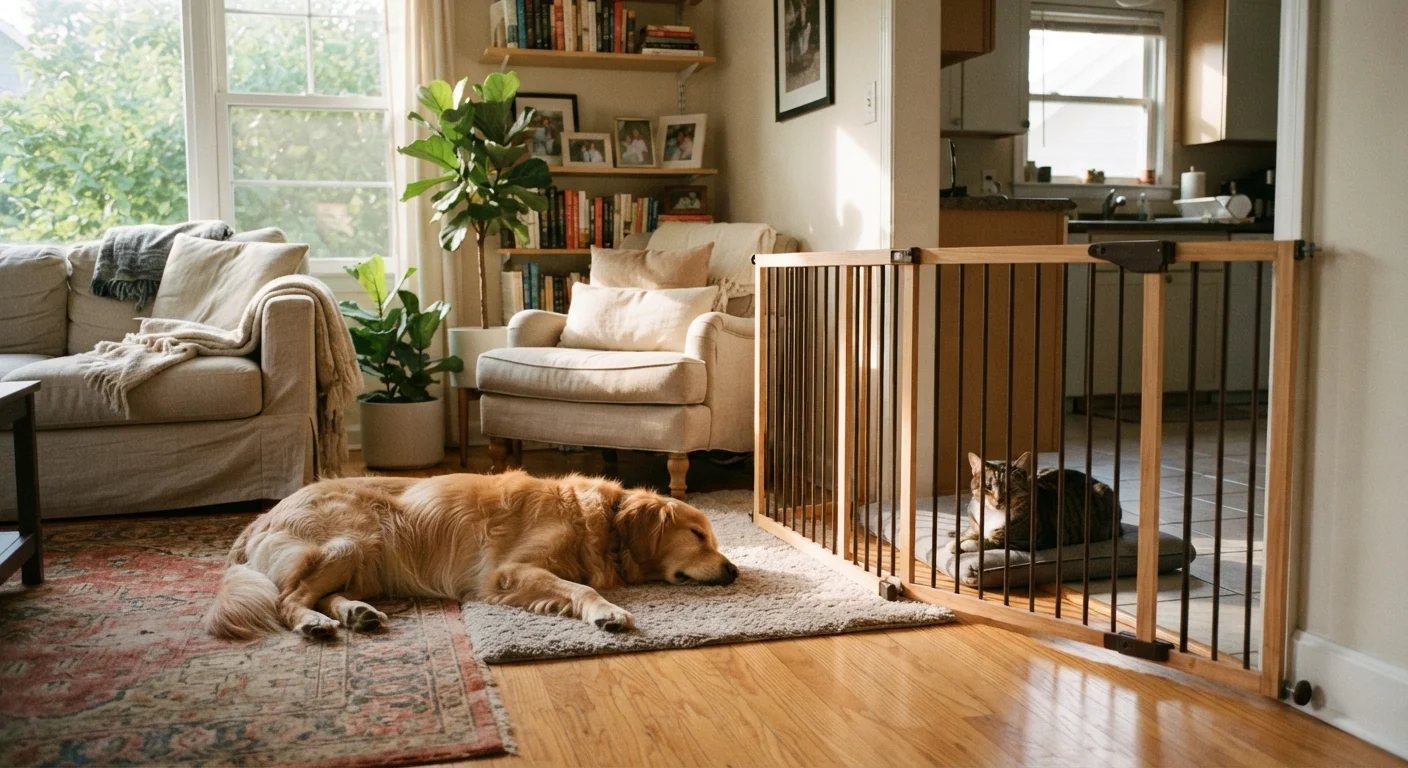
Baby gate or pet gate
Limits access to certain rooms or stairways while your pet is learning the layout of the home.
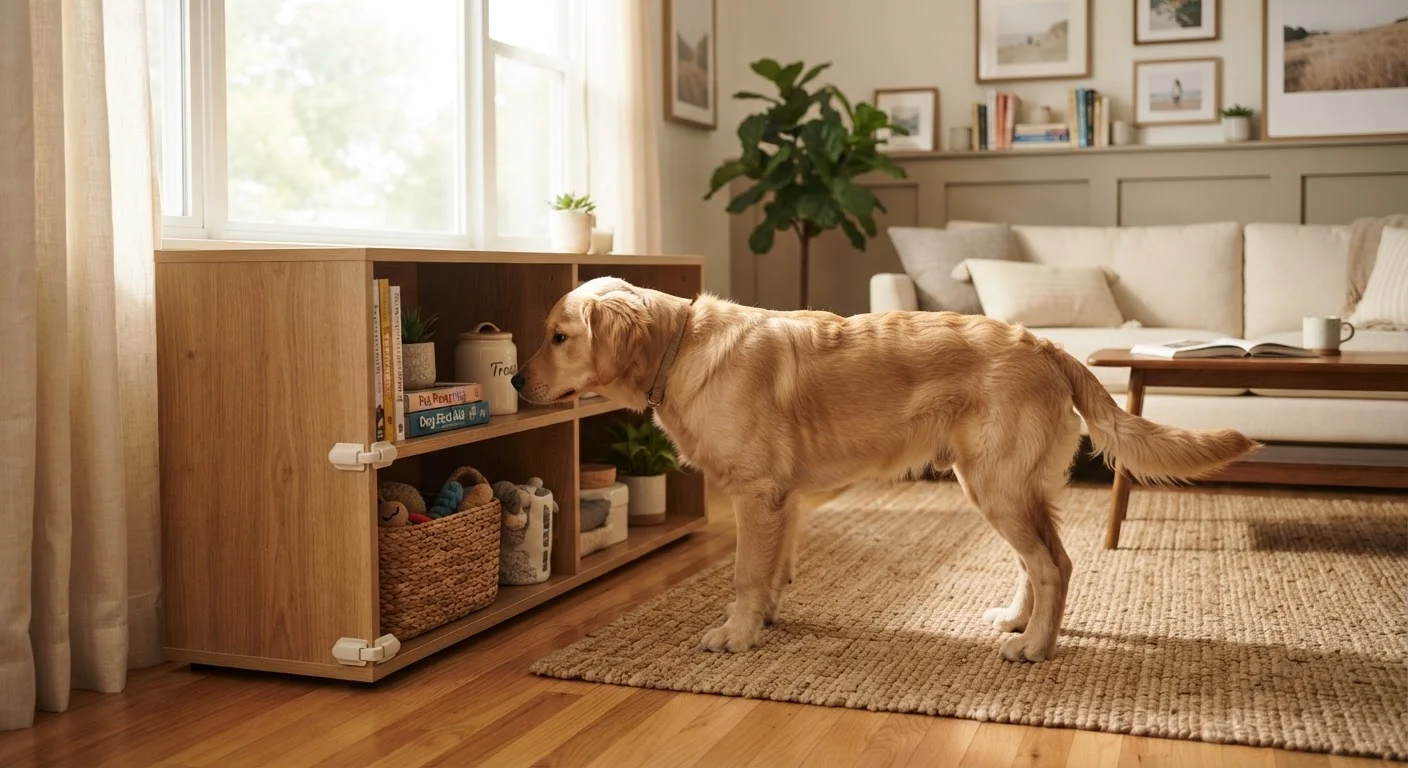
Cabinet safety latches
Prevents curious pets from nosing open lower cabinets containing chemicals or breakable items.
Cord organizers or cable covers
Bundles or conceals electrical cords to reduce chewing and entanglement risks.
Enzymatic cleaner
Effectively removes pet odors and stains from accidents without leaving residues that attract repeat marking.
Room-by-Room Safety and Setup Checklist
Work through each group below before your pet's first day home. Mark off items as you complete them, and adapt based on your specific pet's species, size, and age.
Supplies and Essentials
Hazard Removal and Pet-Proofing
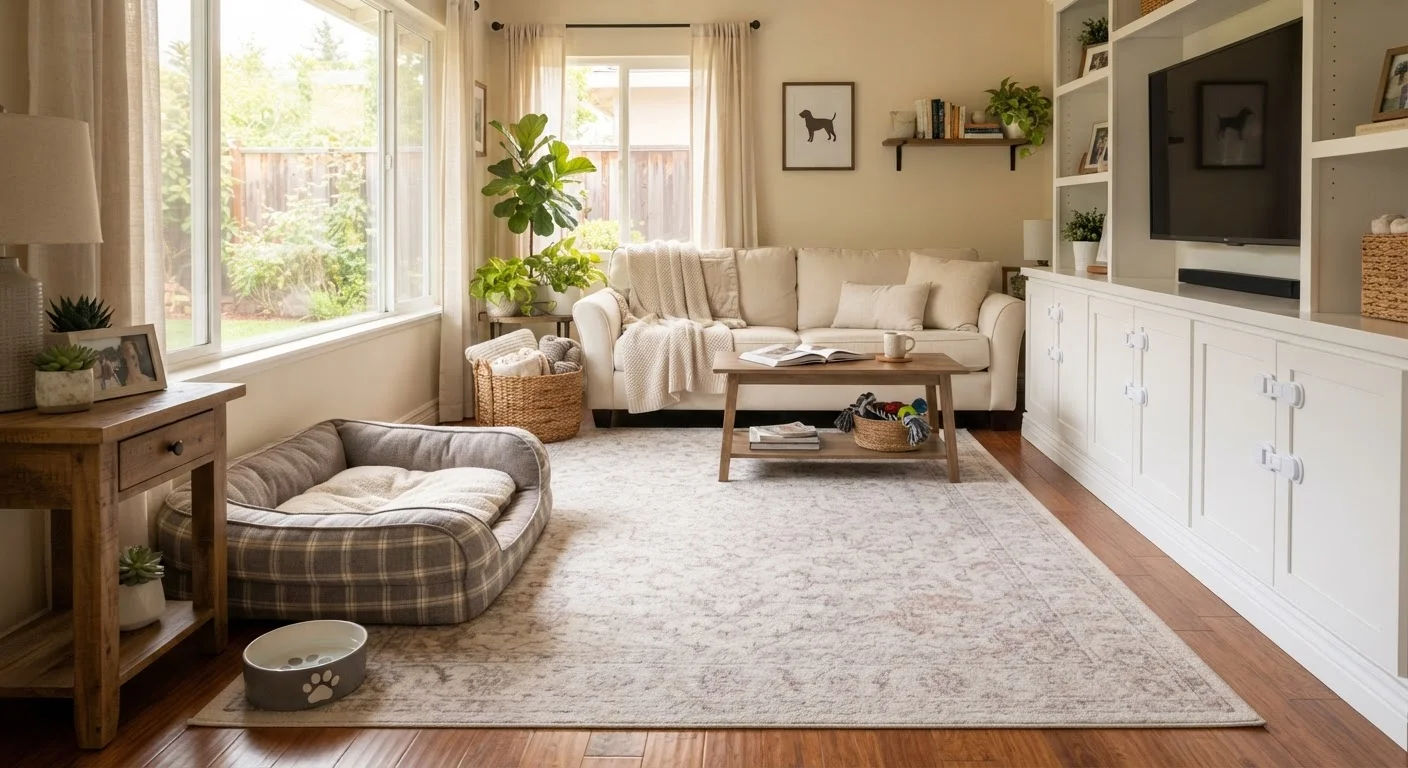
Designated Safe Space
Outdoor and Perimeter Safety
Don't Skip the Vet Appointment
Schedule a veterinary checkup within the first week of bringing your pet home, even if they appear healthy. Many shelter animals arrive with minor health issues that aren't immediately visible. Your vet can also confirm your pet's vaccination status, recommend a parasite prevention routine, and discuss microchipping if it hasn't already been done.
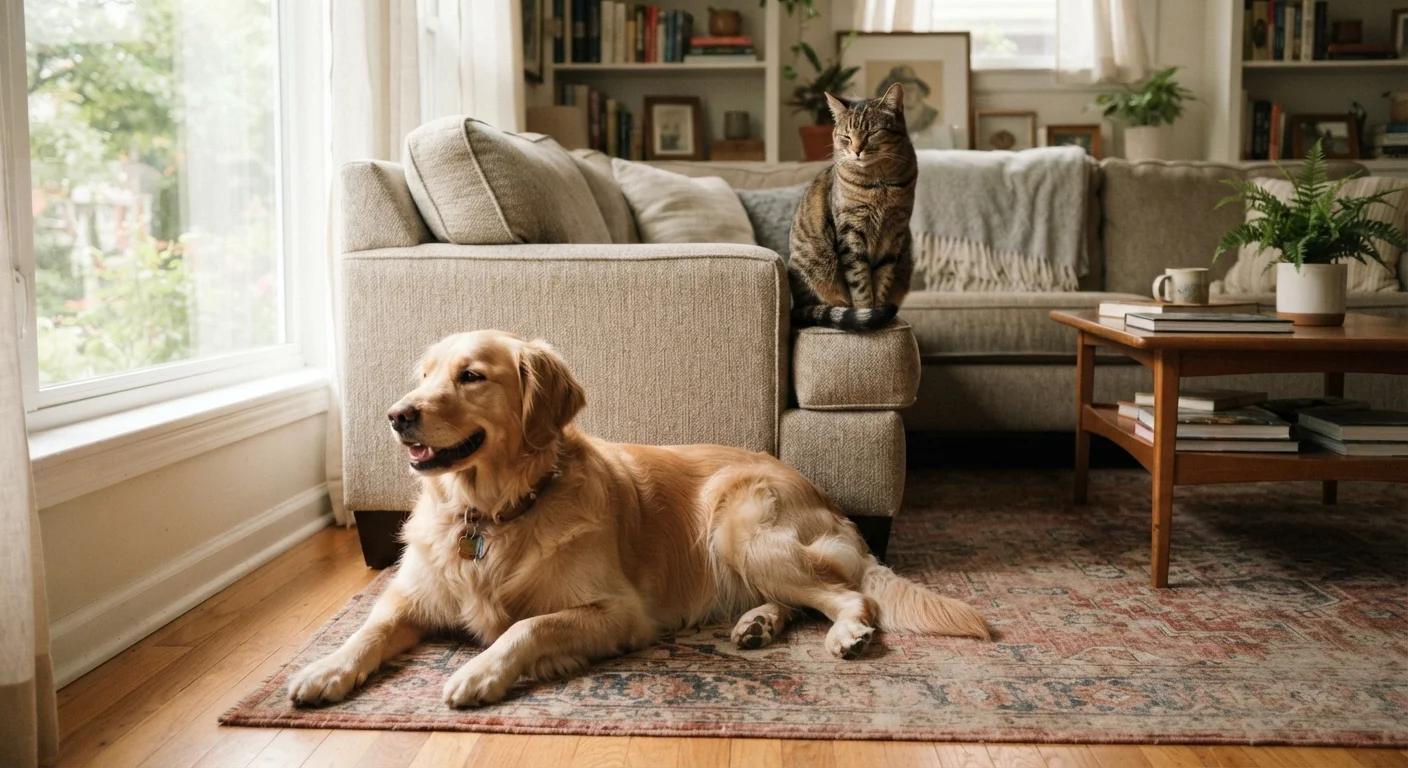
Once your pet is home, their behavior during the first days and weeks will tell you a lot. Our article on what's normal behavior for new pets can help you tell expected adjustment signs from genuine concerns. If you already have animals in the house, plan a structured introduction - a room-by-room approach to introducing pets can prevent lasting conflict.
After the Checklist: First Days at Home
Even a perfectly prepared home takes time for a new pet to feel comfortable in. Keep foot traffic and noise low for the first 24-48 hours and allow your pet to explore at their own pace rather than overwhelming them with attention. Resist the urge to invite friends over immediately.
Stick to consistent feeding times, take dogs out on a regular schedule, and give cats access to their litter box without interruption. The more predictable the routine, the faster most animals adapt. Common first-week mistakes are easy to make when you're excited - knowing what to avoid helps you start the relationship on the right foot.
As your pet settles in, think about mental stimulation. A physically safe space is a great start, but environmental enrichment plays an important role in long-term well-being and behavior. Bored pets in under-stimulating environments are more likely to develop destructive habits.
This article provides general pet care information for educational purposes only. Consult a licensed veterinarian for guidance specific to your pet's species, age, and health needs.