Why a Room-by-Room Approach Works
Animals are highly territorial by nature. Even a friendly, sociable pet can react with fear or aggression when a stranger suddenly appears in its home - a space it has claimed as its own. A gradual, structured introduction removes the element of surprise and gives both the resident animal and the newcomer time to process the situation through their most reliable sense: smell.
Research in animal behavior consistently shows that stress during early encounters can establish lasting negative associations between animals. A bad first meeting doesn't just cause short-term conflict - it can undermine the relationship for months. The room-by-room method avoids this by controlling the pace of exposure. For more on how early experiences shape animal temperament, see our article on socialisation windows and pet behaviour.
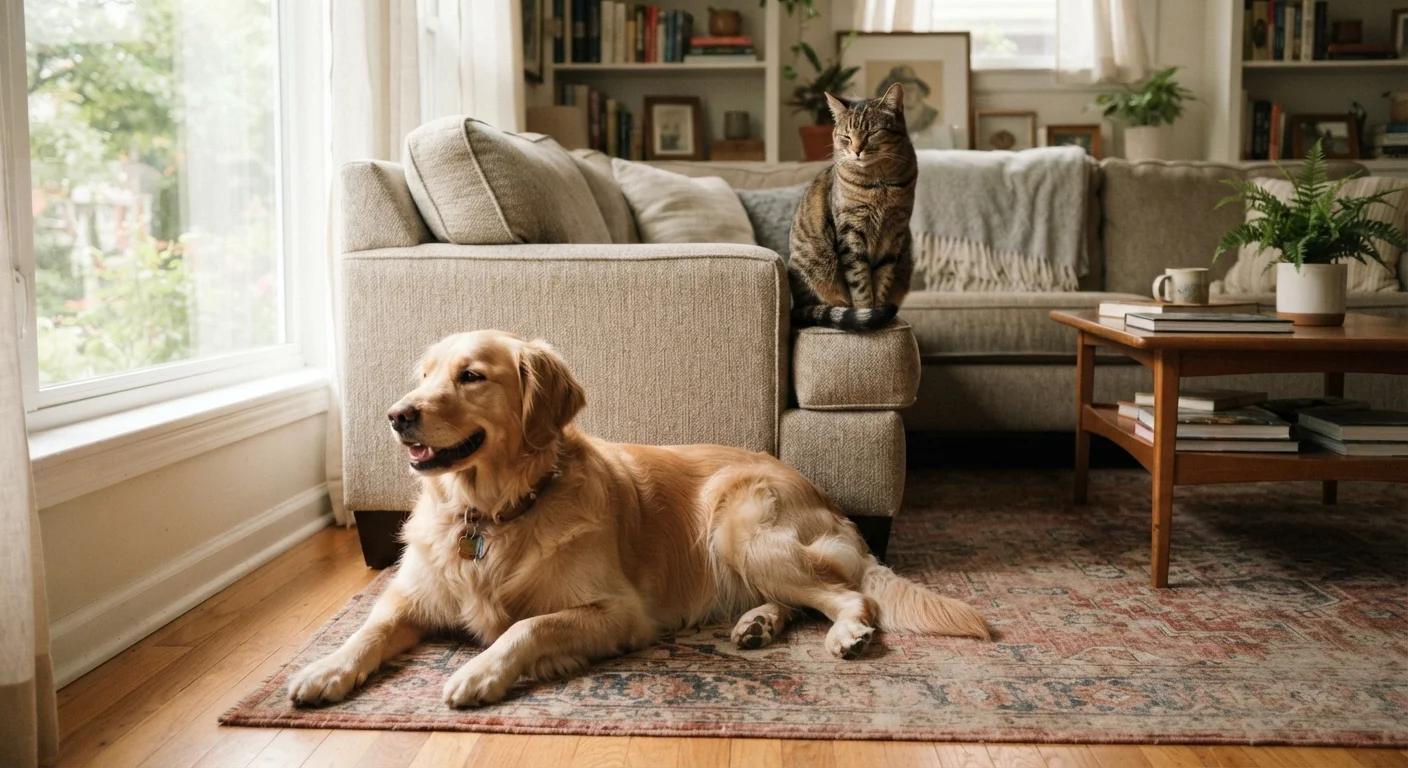
This approach applies broadly across species - whether you're introducing a second dog, a new cat to a resident feline, a cat to a dog household, or a small animal like a rabbit or guinea pig to a home with a predator-type pet. The specific timeline and adaptations will differ, but the underlying principle of graduated exposure remains the same.
What you will need
What to Watch For: Reading Stress and Progress
Knowing how to read your animals' body language is essential for gauging when to advance - and when to pause. Stress signals vary by species but commonly include: refusing food, hiding, excessive vocalization, flattened ears, piloerection (fur standing on end), stiff posture, hissing, growling, or repetitive pacing. Seeing any of these is a signal to slow down, not push forward.
Positive progress looks like: calm sniffing, relaxed body posture, eating normally near the shared boundary, and returning to regular routines after brief sessions. These signals indicate the animal is processing the new situation without being overwhelmed.
Slow Down When in Doubt
There is no standard timeline for a successful pet introduction - every animal pair is different. If either pet appears stressed, simply return to the previous stage and hold there longer. Moving backward temporarily is not failure; it's how you build a lasting, stable relationship between animals sharing a home.
If you're uncertain about what counts as normal versus concerning behavior during this period, our guide on pet behaviour for first-time owners covers key warning signs across species. For a broader overview of structured introduction methods, you may also find our related article on introducing a new pet to a household with existing animals a useful complement to this guide.
Set up a dedicated safe room for the newcomer
Before bringing the new pet home, prepare a separate room with everything it needs: food, water, a litter box (for cats), bedding, and hiding spots. This space becomes the new animal's home base for at least the first several days. It protects the newcomer from feeling overwhelmed and signals to your resident pet that the household hasn't been completely disrupted.
Begin scent swapping before any visual contact
Place a piece of bedding or a worn t-shirt from each animal in the other's space. Allow each pet to investigate the scent at their own pace without pressure. Repeat this exchange daily, and watch for relaxed body language - sniffing without alarm is a good sign. Scent is the primary way most animals assess whether a stranger is a threat.
Introduce sound and scent through a closed door
Once both animals show relaxed behavior around exchanged scents, move feedings progressively closer to the shared door. Let them hear each other's movements and vocalizations from a safe distance. This phase may last a few days to over a week depending on individual temperaments. Do not rush past it - it builds a critical stress-free foundation.
Allow visual contact through a barrier
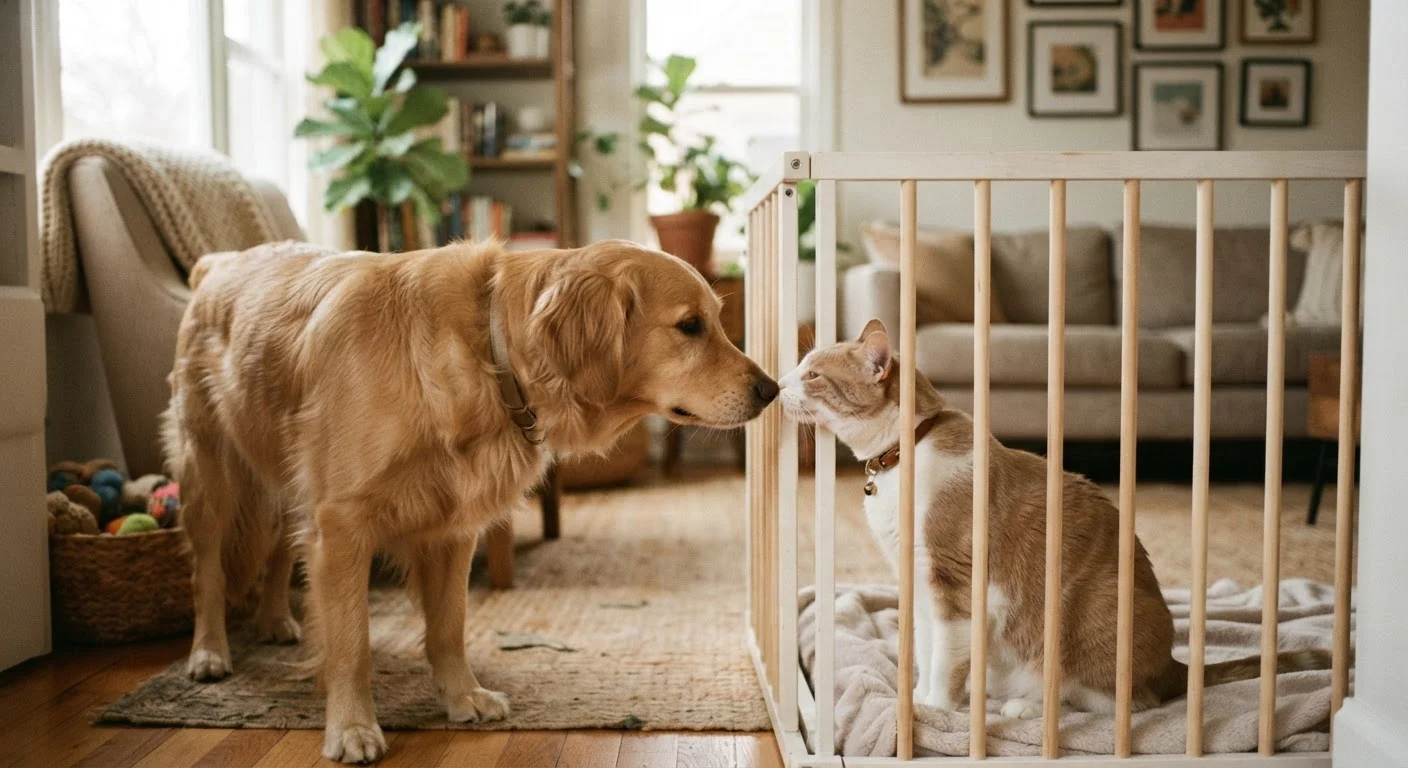
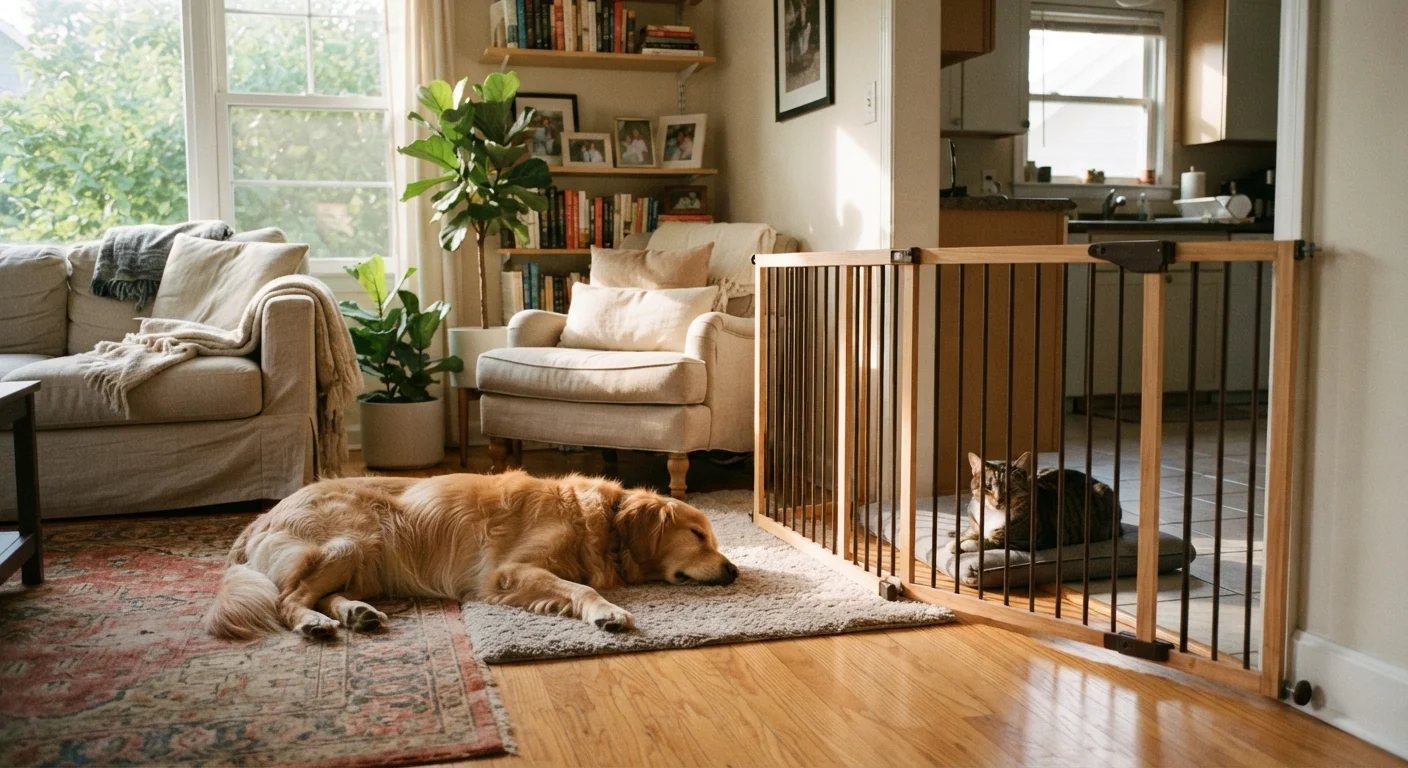
Use a baby gate, cracked door, or exercise pen to let the animals see each other while remaining physically separated. Keep these sessions brief - just a few minutes - and end them before either animal shows signs of stress. Reward calm behavior with treats or praise. Gradually increase the duration as both animals demonstrate relaxed body language.
Conduct supervised, controlled shared-space sessions
When both animals consistently appear calm at the barrier, allow them into the same room under close supervision. Keep dogs on a leash during this phase. Let the new pet explore freely while the resident animal observes. Never force them toward each other. End sessions on a positive note, before any tension escalates, and separate them again afterward. Gradually extend time together as confidence grows on both sides.
Expand shared access to the full home gradually
Once supervised sessions in one room are consistently calm, begin allowing the animals access to additional rooms together. Maintain separate feeding stations, litter boxes (for cats - the general guideline is one box per cat plus one extra), and resting areas to reduce competition. Continue to monitor for resource guarding, which can emerge even after weeks of apparent harmony.
The goal isn't a specific number of days - it's two animals that can share space without sustained tension. Some introductions take a week; others take several months. Both outcomes are normal. What matters is that progress is real and driven by the animals' comfort, not your schedule. For ongoing care guidance, explore the Pet Care Basics hub for practical everyday tips.
This article is for general informational purposes only and does not constitute veterinary advice. If your pets show persistent aggression or signs of significant distress during introductions, consult a qualified veterinarian or certified animal behavior consultant.