Why This Distinction Is the Foundation of Any Budget
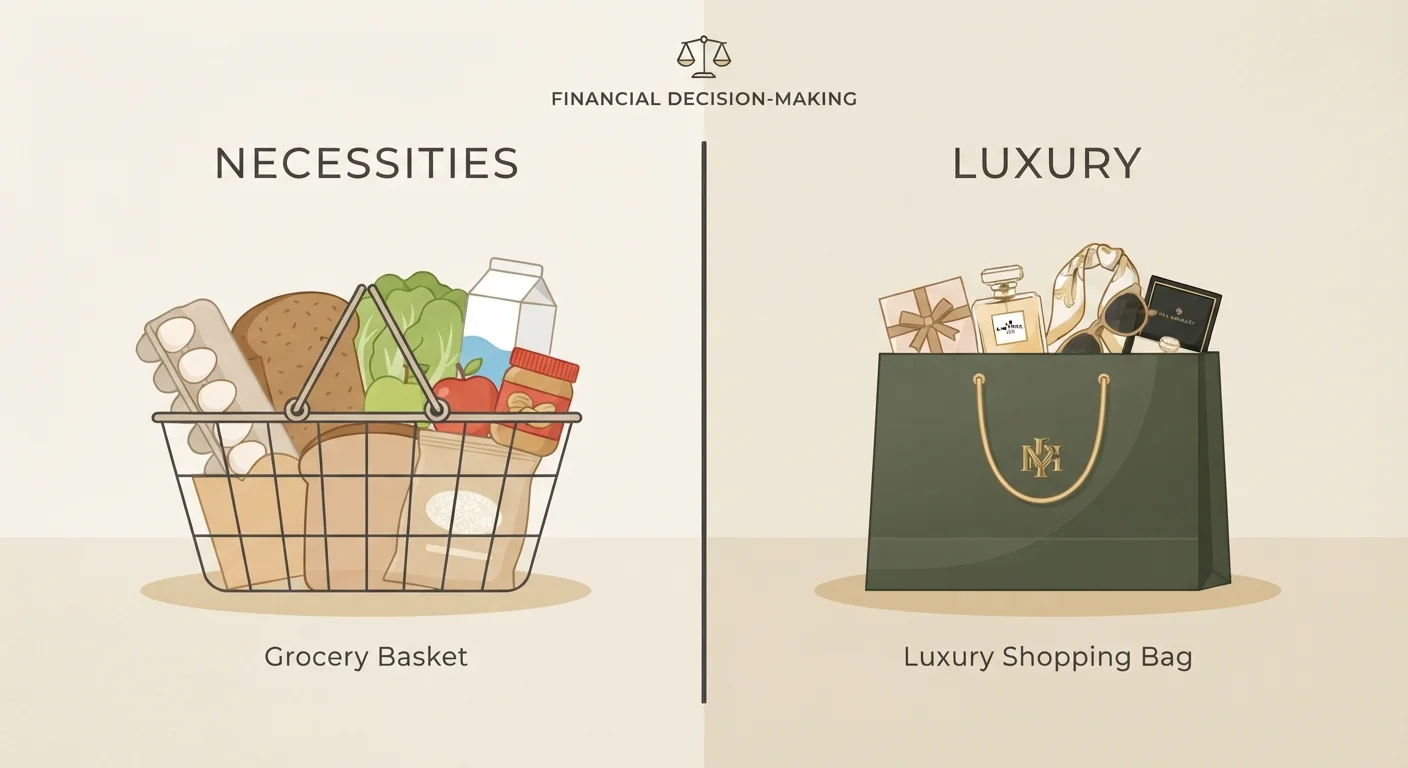
Before you can allocate a single dollar, you need to understand what you're spending on and why. The needs-vs.-wants framework gives you that clarity. It's not a moral judgment - spending on wants isn't irresponsible - it's a classification tool that makes trade-offs visible.
Without this distinction, budgets tend to be built on wishful thinking. People underestimate essential costs because they've blurred the line between what they must spend and what they've simply gotten used to spending. That gap between assumption and reality is where most budgets collapse.
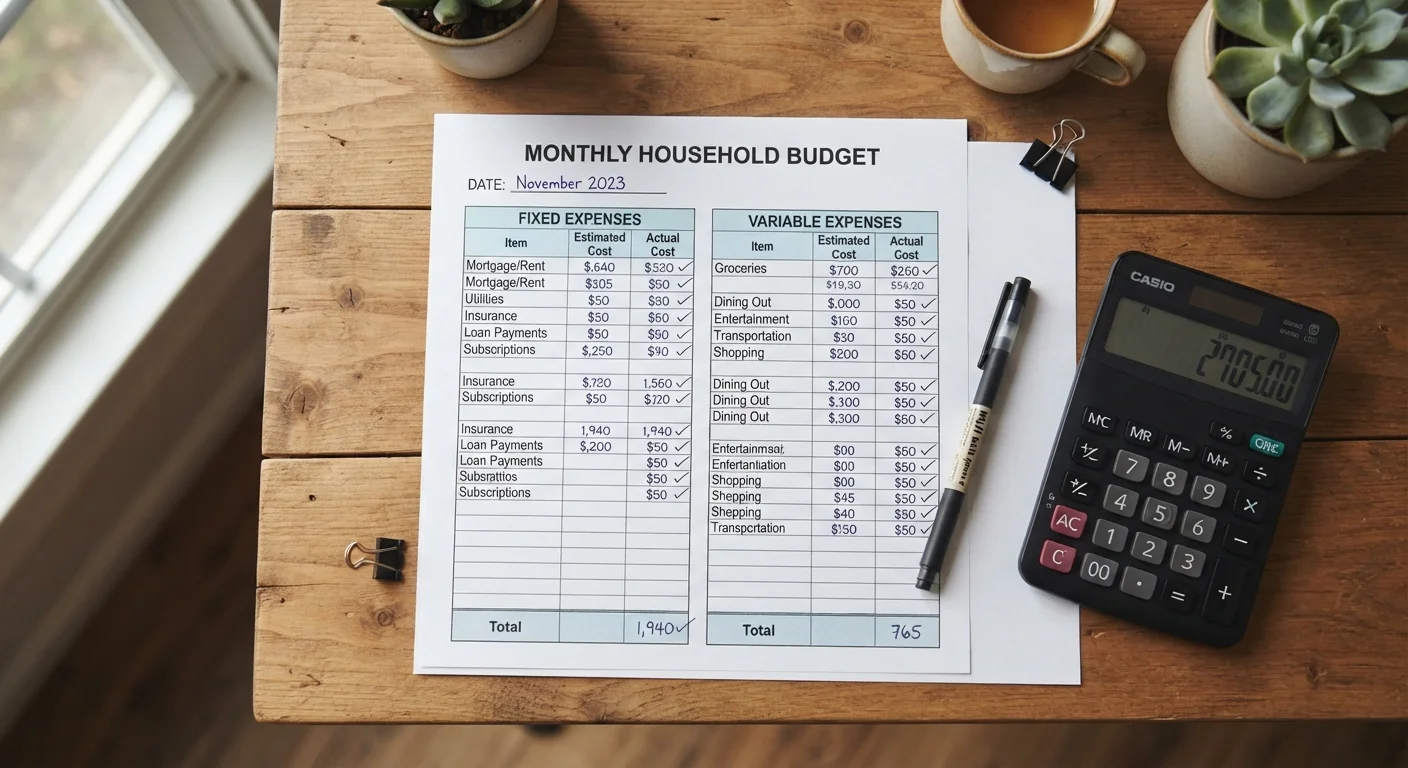
Start by listing every regular expense you carry. Before you assign a dollar amount, ask one question: would a serious disruption to this expense threaten your health, housing, safety, or ability to earn income? If yes, it's likely a need. If the honest answer is no, it's a want - and that's fine, but it should be labeled accurately. For a grounding in core budget vocabulary, see essential budgeting terms before mapping your own expenses.
34%
Americans with no emergency savings
A 2023 Bankrate survey found that roughly one-third of U.S. adults had no emergency savings at all, often citing unexpected essential expenses as the primary cause.
50%
After-tax income recommended for needs
The 50/30/20 guideline, a widely cited framework in personal finance education, suggests that needs should account for no more than half of take-home pay.
$1,000+
Average monthly cost of car ownership
AAA's annual driving cost studies consistently estimate total monthly vehicle ownership costs - including depreciation, insurance, fuel, and maintenance - above $1,000 for a typical new car.
Where the Line Gets Blurry - and Why That's Normal
Most financial stress around this question comes from the gray zone: expenses that carry genuine necessity at their core but have wants layered on top. A few common examples:
- Housing: Shelter is a need. A two-bedroom apartment when you live alone may include want elements.
- Food: Calories and nutrition are needs. Daily restaurant lunches and premium delivery fees are wants.
- Transportation: Getting to work reliably is a need. The vehicle you choose to do it, however, often involves significant want components.
- Clothing: Weather-appropriate, functional clothing is a need. Brand-name fashion is largely a want.
Geography and life circumstances also move the line. A car is frequently a legitimate need in rural or suburban areas with no public transit - and a want in a dense city with reliable subway service. Your income level, health status, and dependents all shift what counts as a genuine baseline. This is also why understanding fixed vs. variable expenses adds important texture: many needs are fixed costs, but plenty of wants hide inside variable spending.
Try the 'Cheaper Version' Test
When you're unsure whether something is a need or a want, ask: could a cheaper or simpler version of this expense still meet the underlying requirement? If a basic $30/month phone plan covers your calls and data needs just as well as a $90/month plan, the basic plan is the need. The rest is a want - and knowing that puts you in control of the decision.
Applying the Framework Without Guilt or Rigidity
A common mistake is using this framework as a weapon against yourself - treating every want as a failure. That approach backfires. A budget that leaves no room for things you enjoy is a budget you'll abandon within 30 days.
The goal isn't to eliminate wants. It's to be deliberate about them. When you know you're choosing a want, you can decide whether it's worth its cost relative to your other priorities. That's very different from spending on wants accidentally while telling yourself they're needs.
“A budget is telling your money where to go instead of wondering where it went. But you can only direct it well if you're honest about what you're actually buying and why.”
— Dave Ramsey, Personal finance author and radio host
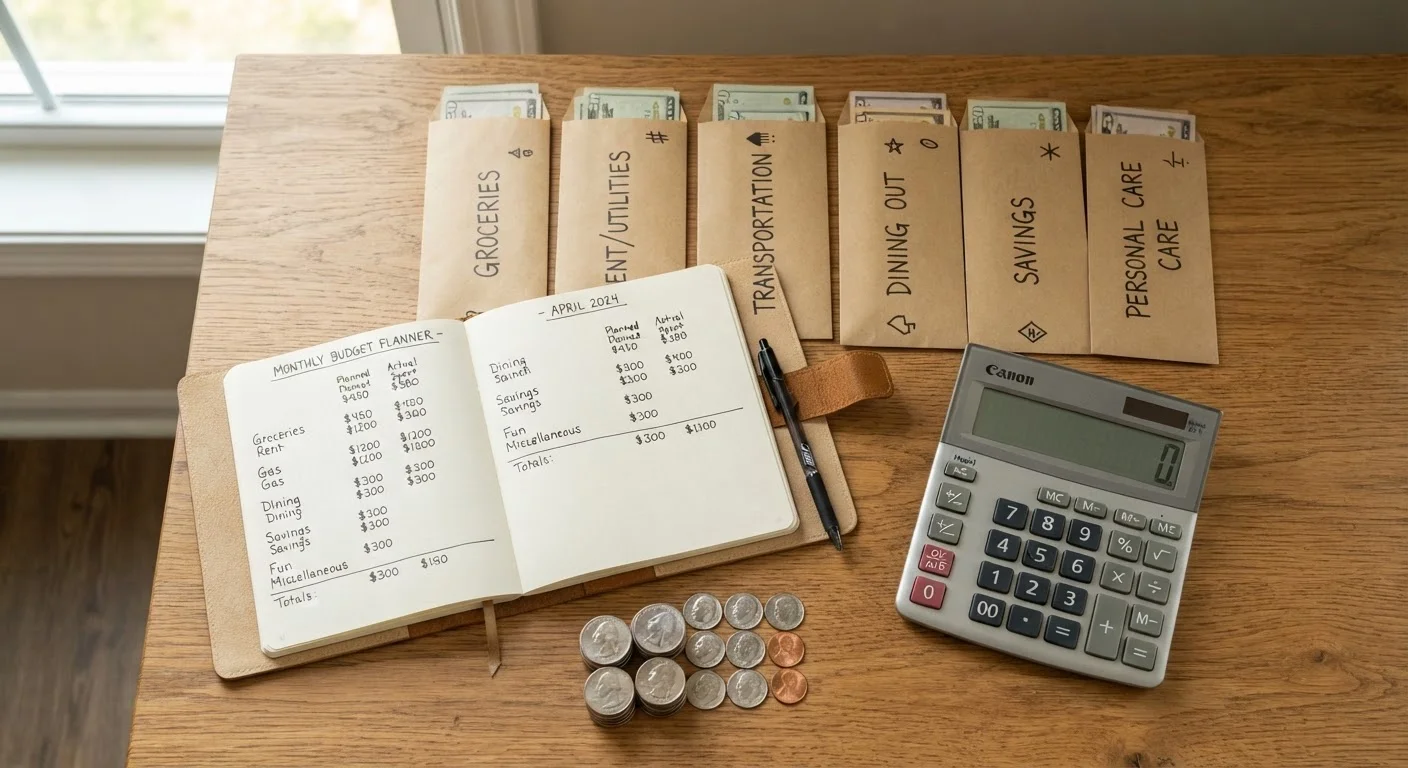
Once you've sorted your expenses honestly, you're ready to apply an actual budgeting structure. Different methods handle needs and wants differently - some use strict envelopes, others use percentage targets. Comparing budgeting approaches can help you find one that fits how you actually think and spend. The classification work you've done here makes any of those methods more effective from day one.
This article is for general informational and educational purposes only. It does not constitute personalized financial advice. For guidance specific to your circumstances, consult a qualified, licensed financial professional.