Why Drink Driving Myths Are So Persistent
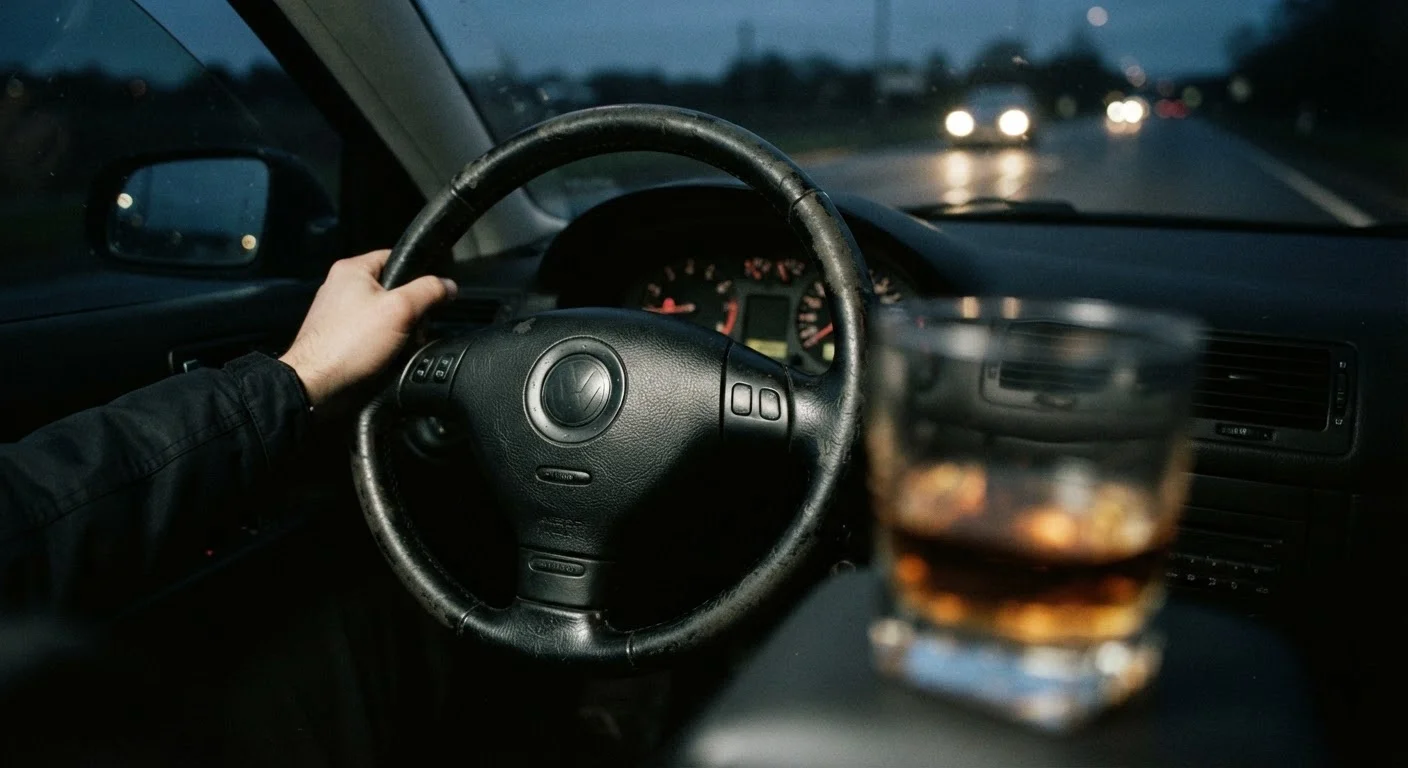
Beliefs about alcohol and driving are shaped by personal experience, social norms, and a widespread underestimation of how subtly alcohol affects the brain. Unlike obvious intoxication, mild impairment is largely invisible - to others and to the driver themselves. That invisibility is exactly what makes these myths so dangerous.
Drink driving remains a leading cause of road fatalities in the United States. Understanding why common assumptions are wrong is a meaningful step toward better decision-making - for yourself and the people around you. These myths are worth examining carefully, in the same way you'd examine car ownership myths that cost drivers real money - because acting on bad information has real consequences.
Myth
Drinking coffee or eating a big meal will sober you up faster.
Fact
Neither coffee nor food speeds up the elimination of alcohol from your bloodstream - only time does that.
Your liver processes alcohol at a roughly fixed rate - approximately one standard drink per hour for most adults, though this varies by body weight, metabolism, and other factors. Caffeine may make you feel more alert, but it does not change your blood alcohol concentration (BAC). What it can do is mask the drowsiness that might otherwise prompt you to stop driving - creating a false sense of competence. Food slows alcohol absorption when eaten before or during drinking, but once alcohol is in your system, no food will clear it more quickly.
Myth
If you feel fine, you're safe to drive.
Fact
Subjective feelings of sobriety are an unreliable guide to actual impairment, especially after drinking.
Alcohol impairs the very cognitive functions you rely on to assess your own impairment - judgment, self-awareness, and inhibition. Research consistently shows that people tend to overestimate their own driving ability after drinking. Reaction time, peripheral vision, and the ability to track multiple hazards simultaneously can all be degraded while you still feel clear-headed. Relying on how you feel rather than how much you've consumed is one of the most common - and most dangerous - errors drink drivers make.
Myth
You're only over the limit if you've had more than two drinks.
Fact
The legal limit is not a universal safe threshold, and impairment can begin well before reaching it.
In most U.S. states, a BAC of 0.08% is the legal threshold for per se impairment, but research indicates that driving-related skills begin to deteriorate at lower concentrations. Body weight, sex, age, tolerance, and whether food was consumed all affect how quickly BAC rises. A smaller person can exceed the legal limit faster than a larger one after the same number of drinks. The legal limit is a law enforcement standard, not a medical clearance to drive safely.
Myth
It's just a short drive - the risk is minimal.
Fact
Most alcohol-involved crashes occur within a short distance of the driver's starting point.
Data from road safety research indicates that a significant proportion of drink driving incidents happen close to where the driver began - often within a few miles. This makes intuitive sense: most driving trips are short. Distance alone is not a meaningful risk reducer. Impaired judgment, slowed reaction time, and reduced hazard perception are present from the moment you start the vehicle, regardless of how far you plan to travel.
Myth
Sleeping it off for a couple of hours means you're good to drive.
Fact
A short sleep does not meaningfully reduce BAC - and you may still be legally and physiologically impaired the morning after heavy drinking.
If someone drinks heavily in the evening and sleeps for five or six hours, they can still have a significant BAC when they wake up. The liver continues processing alcohol during sleep, but at the same slow rate as when awake. Morning-after impairment - sometimes called 'next-day driving' - is a real and underappreciated risk. Fatigue from disrupted sleep compounds the problem; for more on how tiredness affects driving, see the science behind why tired drivers are dangerous drivers.
Myth
Experienced drinkers drive better because they've built up a tolerance.
Fact
Tolerance affects how drunk someone feels, not how impaired they actually are behind the wheel.
Regular drinkers may feel less intoxicated at a given BAC than occasional drinkers - but their actual psychomotor performance, reaction time, and hazard detection are still impaired at comparable blood alcohol levels. Tolerance is a subjective experience, not a physiological protection against alcohol's effects on the brain and nervous system. In fact, experienced drinkers may be more likely to underestimate their impairment, making them more - not less - likely to choose to drive when they shouldn't.
The Bigger Picture: Impairment, Risk, and Road Safety
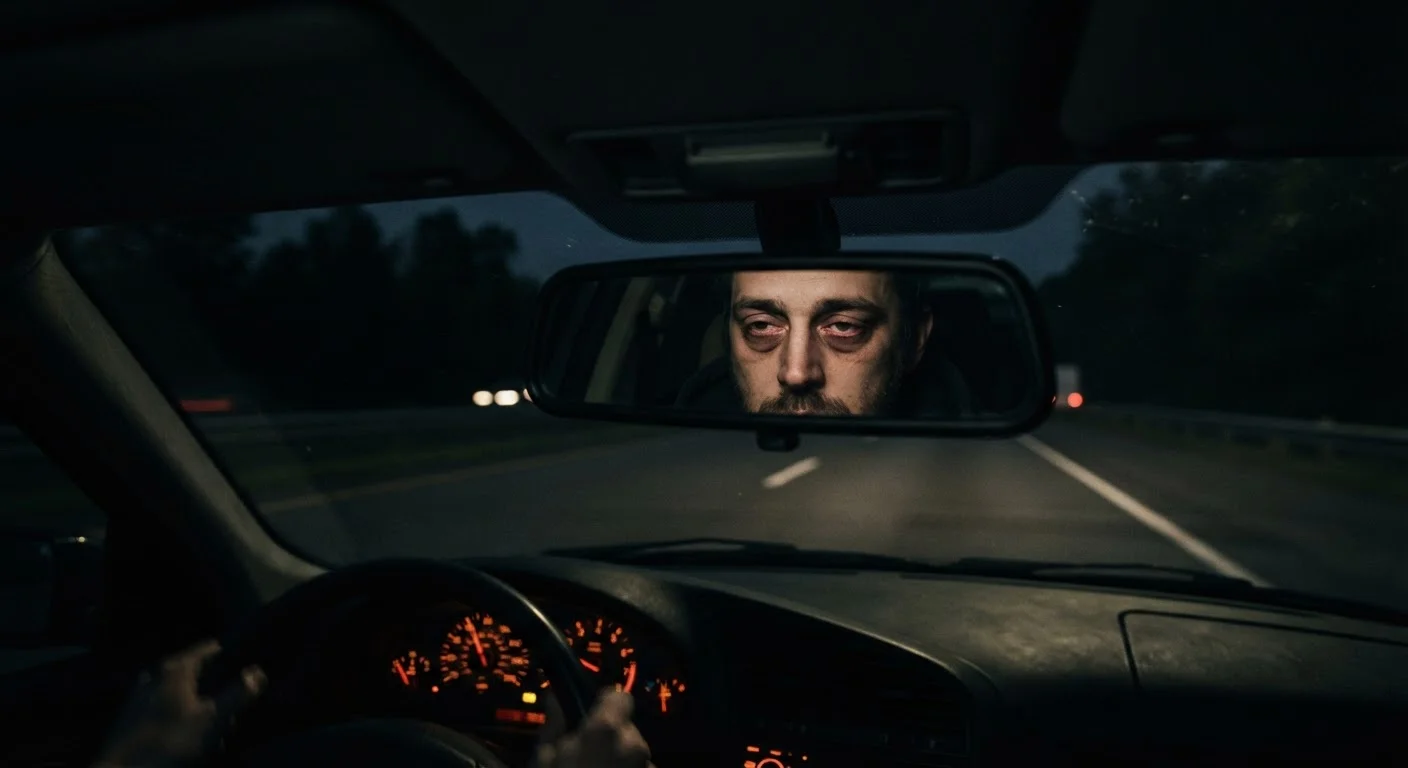
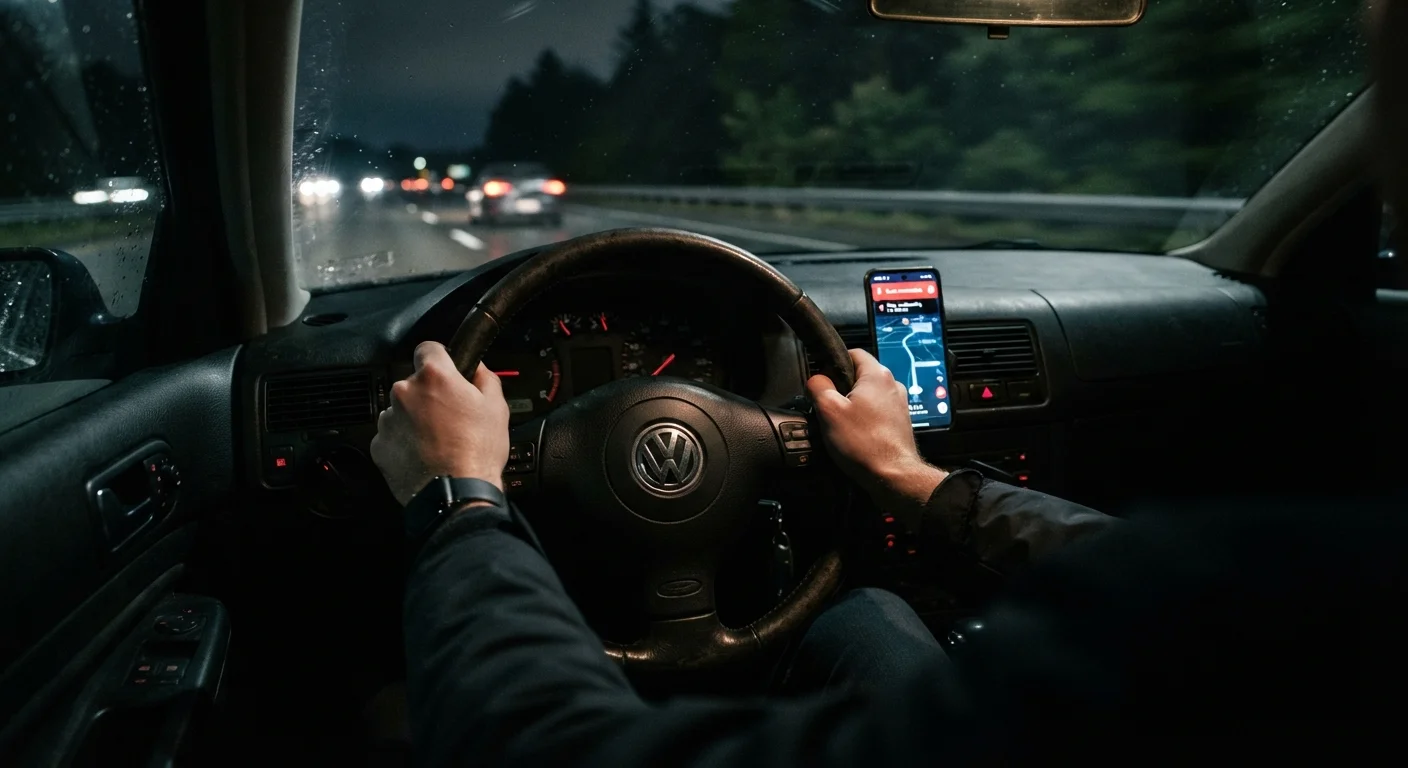
Alcohol doesn't act alone on the road. Fatigue, distraction, and low visibility each amplify risk in ways that interact with impairment. A driver who has had two drinks and is also tired faces a compounded hazard - impaired judgment stacked on top of reduced alertness. Distraction behind the wheel carries its own serious risks, and combining it with any level of alcohol impairment dramatically raises the stakes.
Morning-After Driving Can Still Mean Impairment
If you drank heavily the night before, do not assume you are safe to drive first thing in the morning. Alcohol is still being metabolized during sleep, and depending on how much was consumed, your BAC may still be above the legal limit - or your reaction time may be compromised even if BAC has fallen. When in doubt, wait longer or use alternative transport.
The consistent evidence from road safety research points in one direction: the only reliable way to avoid alcohol-related impairment while driving is not to drink before you get behind the wheel. Plan ahead - designate a sober driver, use a rideshare service, or arrange alternative transport before an event where drinking is likely. These aren't inconvenient extras; they're the choices that keep you, your passengers, and other road users safe.
This article is for general informational purposes only and does not constitute legal or medical advice. Laws regarding blood alcohol limits and drink driving vary by state. Always check the regulations applicable in your jurisdiction.