What Happens in the Brain During the Socialisation Window
During the socialisation window, a young animal's nervous system is undergoing rapid development. Neural pathways are being laid down and pruned based on what the animal encounters. Exposures at this stage carry disproportionate weight precisely because the brain has not yet developed the full fear-response architecture it will have in adulthood.
Before the window opens fully, very young animals show relatively little fear - a trait that appears to be adaptive, allowing them to explore and learn about their environment without being paralysed by caution. As the window progresses and begins to close, fear responses sharpen. The brain essentially uses early experience to decide what is "normal" and what should be treated as a potential threat going forward.
This is why a puppy handled gently and regularly by different people before 12 weeks tends to grow into a dog comfortable around strangers - while a puppy raised in isolation during those same weeks may remain permanently wary, even with years of subsequent exposure. The window doesn't produce instant results; it shapes the baseline from which all later learning proceeds.
Socialisation Is Not the Same as Training
Socialisation and obedience training are related but distinct processes. Socialisation is about shaping how an animal perceives and responds to the world; training is about teaching specific behaviours on cue. A well-socialised dog still needs consistent training, and a well-trained dog may still be fearful if early socialisation was inadequate. Both are important - they serve different developmental functions.
Species Differences: Dogs, Cats, and Beyond
The timing of the socialisation window differs meaningfully across species, which has significant practical implications for breeders, shelters, and new owners.
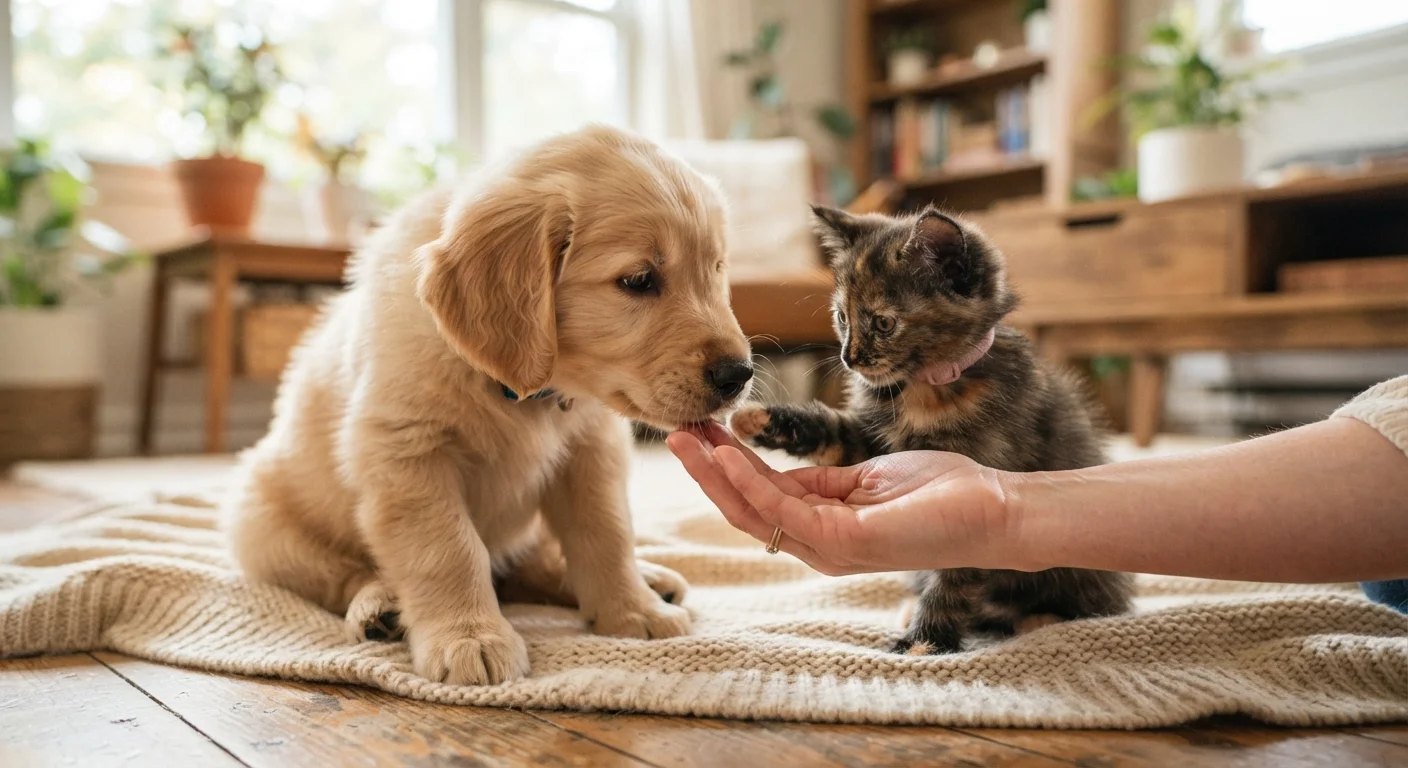
In dogs, the window is broadly placed between 3 and 12 weeks of age. During this period, puppies benefit from exposure to a wide range of people (including children and those wearing hats, glasses, or uniforms), household sounds, different surfaces and textures, and other animals. See our guide to socialising puppies and kittens for a more detailed breakdown of recommended exposures.
In cats, the window is earlier and shorter - approximately 2 to 7 weeks. This creates a challenge because kittens this young are still with their mother and typically not yet in a new home. The handling that happens (or doesn't happen) at a breeder or in a shelter environment during those weeks will significantly shape a kitten's relationship with humans for life.
Other companion animals - including rabbits, guinea pigs, and horses - have their own analogous sensitive periods. Owners of these species should seek guidance from a veterinarian with relevant species expertise rather than applying dog- or cat-based timelines.
3-12 weeks
Primary socialisation window for dogs
This timing is cited consistently by veterinary behaviourists and animal behaviour researchers as the period of greatest neural receptivity in canines.
2-7 weeks
Primary socialisation window for cats
Feline behaviourists note that cats have a notably earlier and shorter window than dogs, making breeder and shelter handling practices especially influential.
~80%
Fear-based behaviours linked to early experience
Veterinary behaviour literature broadly estimates that the majority of fear and aggression cases in companion animals have roots in inadequate early socialisation or negative early experiences.
What Good Socialisation Actually Looks Like
Effective socialisation is not simply about exposing a young animal to as many things as possible. The quality and emotional tone of each exposure matters enormously. A puppy dragged up to a loud, unfamiliar dog is not being socialised - it is being frightened, and that fear response may generalise broadly.
Good socialisation means:
- Introducing new stimuli gradually and at a pace the animal can handle
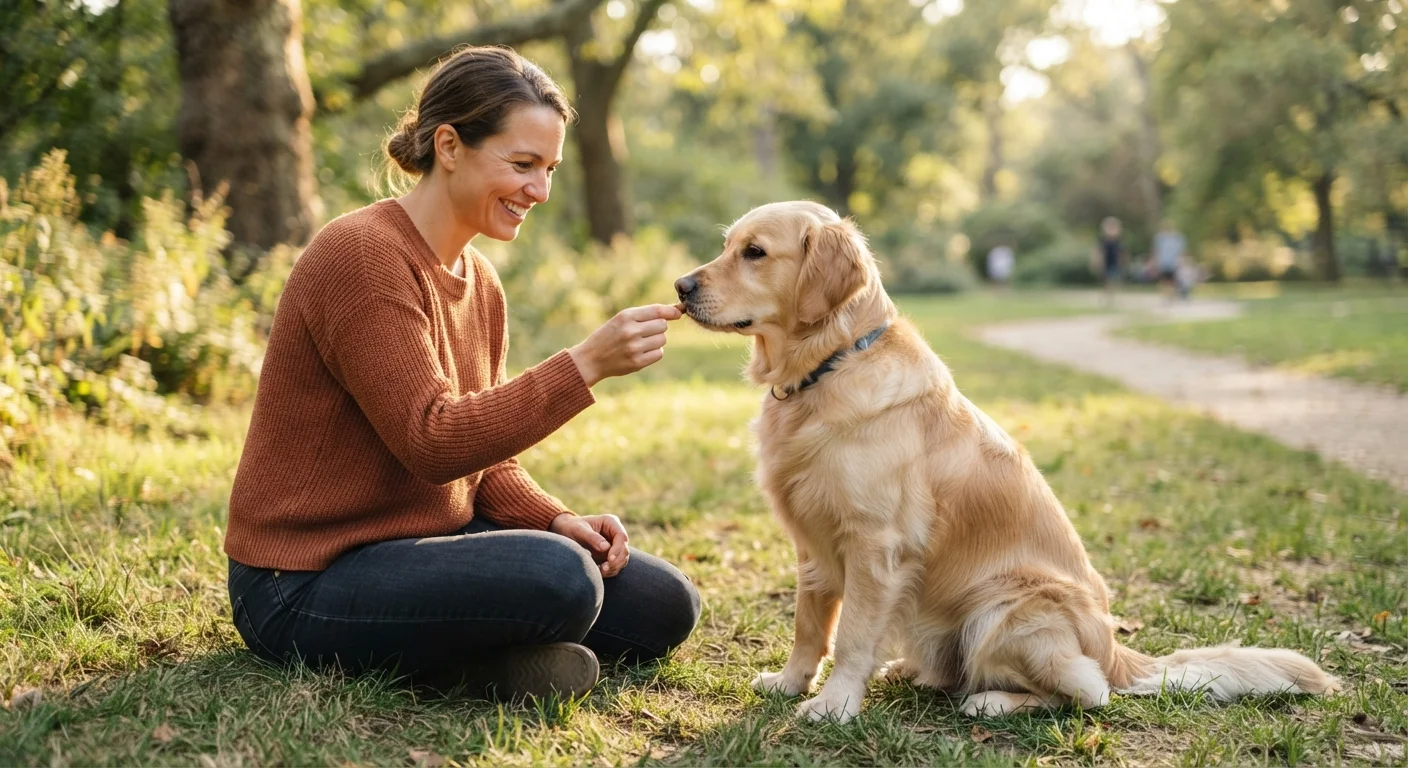
- Pairing novel experiences with something positive, such as calm praise or a small food reward
- Watching for stress signals (yawning, lip-licking, body stiffening, attempts to withdraw) and backing off if they appear
- Ensuring the animal has control - it can move toward or away from the new stimulus
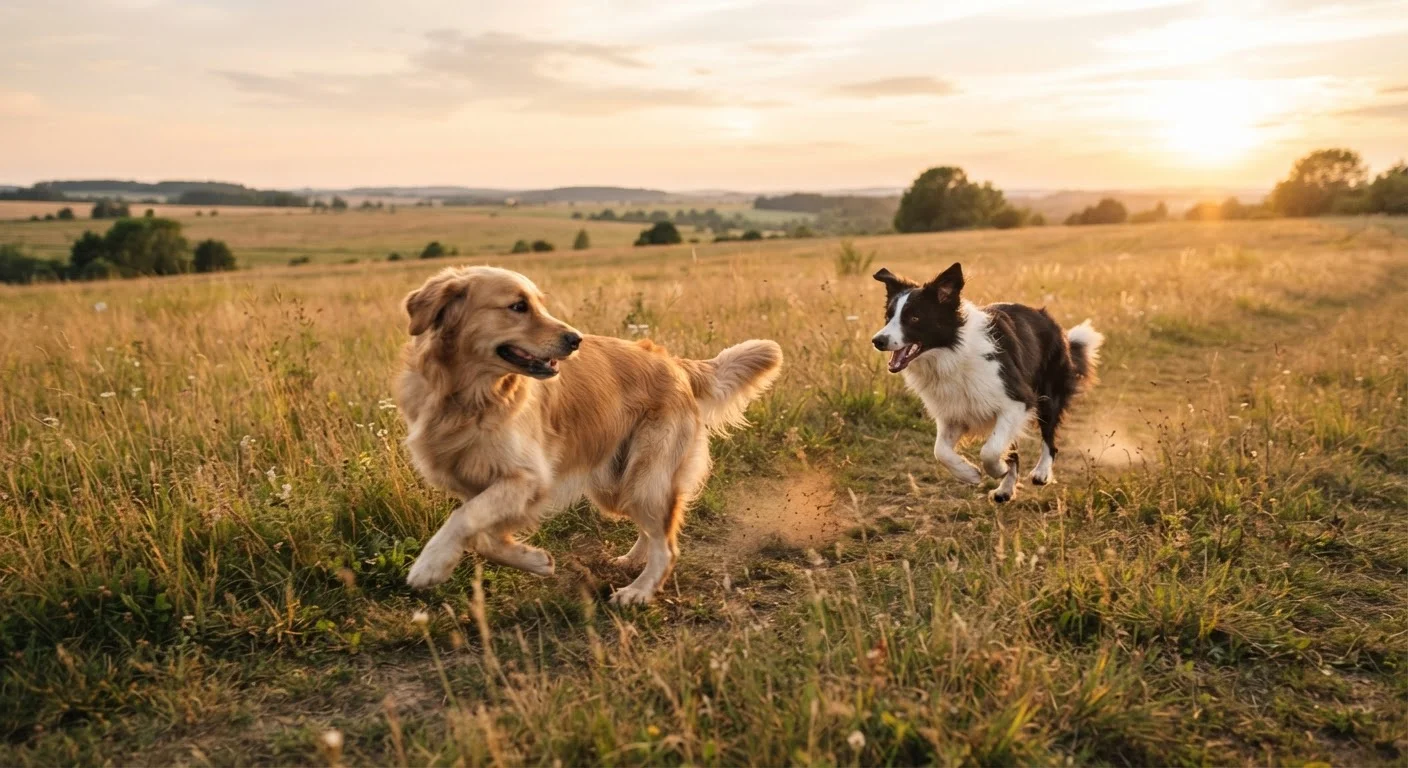
This approach aligns with what the research on positive reinforcement training consistently shows: animals learn best and retain lessons longest when learning feels safe. Animal play during this period also supports healthy development, giving young animals low-stakes practice at reading social signals.
Watch for Stress Signals During Exposure
Young animals communicate discomfort through subtle body language before they resort to overt responses like growling or hiding. Watch for yawning, lip-licking, pinned ears, tucked tails, or attempts to move away. If you see these signals, slow down the introduction rather than pushing through - the goal is to build positive associations, not to simply increase exposure time.
When the Window Has Already Closed
Many pet owners adopt animals that are past their primary socialisation window - rescue dogs, adult cats, or older small animals. A closed window does not mean a closed case. Adult animals can and do learn new associations, build new comfort zones, and develop trust. The process simply requires more time, greater consistency, and more careful management of exposures.
If you bring home an adult pet showing signs of fear, avoidance, or reactivity, a structured, patient approach is essential. Avoid the common impulse to flood an anxious animal with the very things it fears, hoping it will simply "get used to it." This approach frequently worsens fear rather than resolving it. Our article on common mistakes new pet owners make covers this and other early missteps in more detail.
For persistent or severe fear and aggression, a consultation with a veterinary behaviourist - a veterinarian with specialist training in animal behaviour - is the most effective path forward. General information is a useful starting point, but professional assessment provides tailored guidance that general resources cannot replicate.
Understanding when and how to introduce a new pet to existing household animals also matters enormously for animals with socialisation gaps, since poor introductions can compound existing anxiety.
This article provides general educational information about animal behaviour and development. It is not a substitute for professional veterinary or veterinary behavioural advice. If your pet is showing persistent fear, aggression, or other concerning behaviours, consult a licensed veterinarian or veterinary behaviourist.