
What the Socialisation Window Actually Is
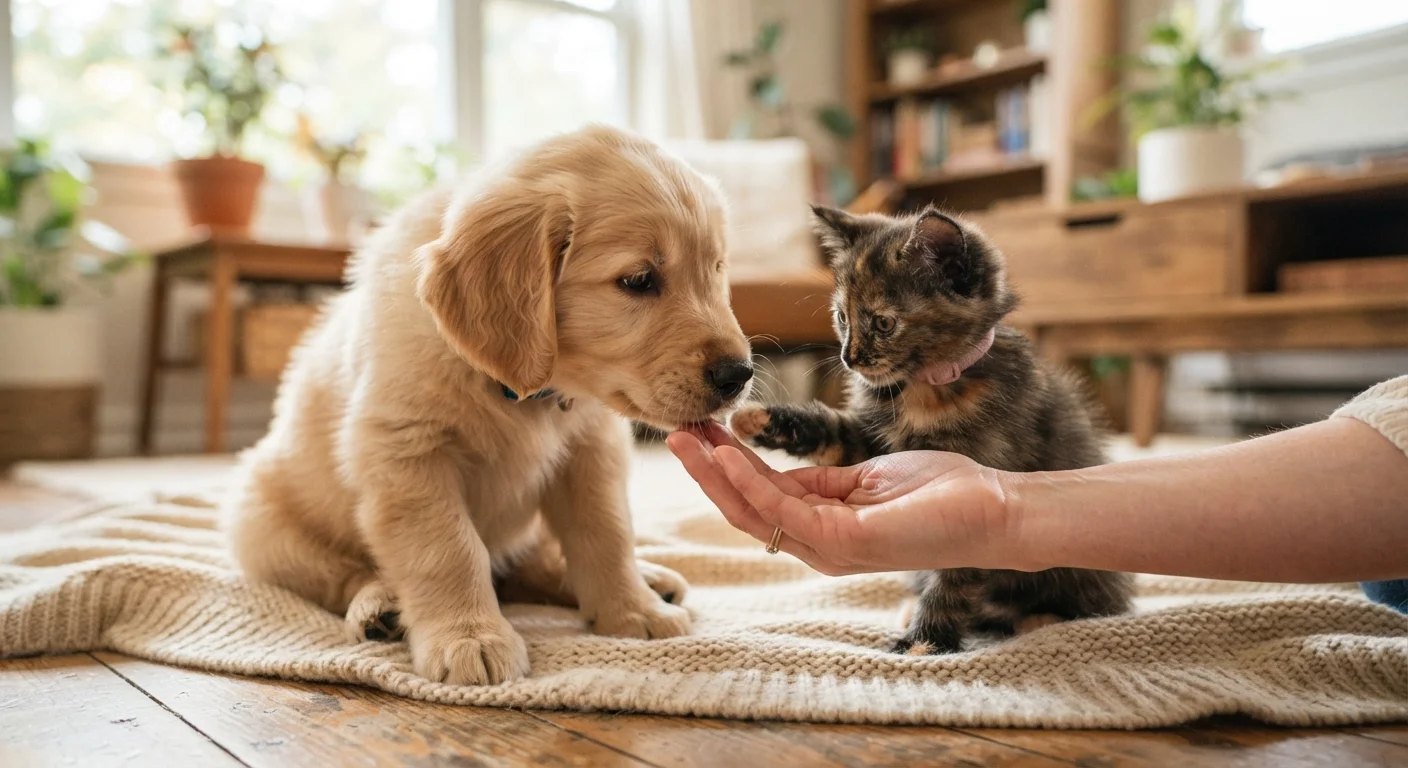
The socialisation window is a biologically defined developmental period during which young animals are especially receptive to learning that new things are safe. During this phase, the brain is actively forming associations between stimuli and emotional responses - and those associations tend to be remarkably durable. Outside this window, novel experiences are processed with much greater caution, and fear responses are harder to overwrite.
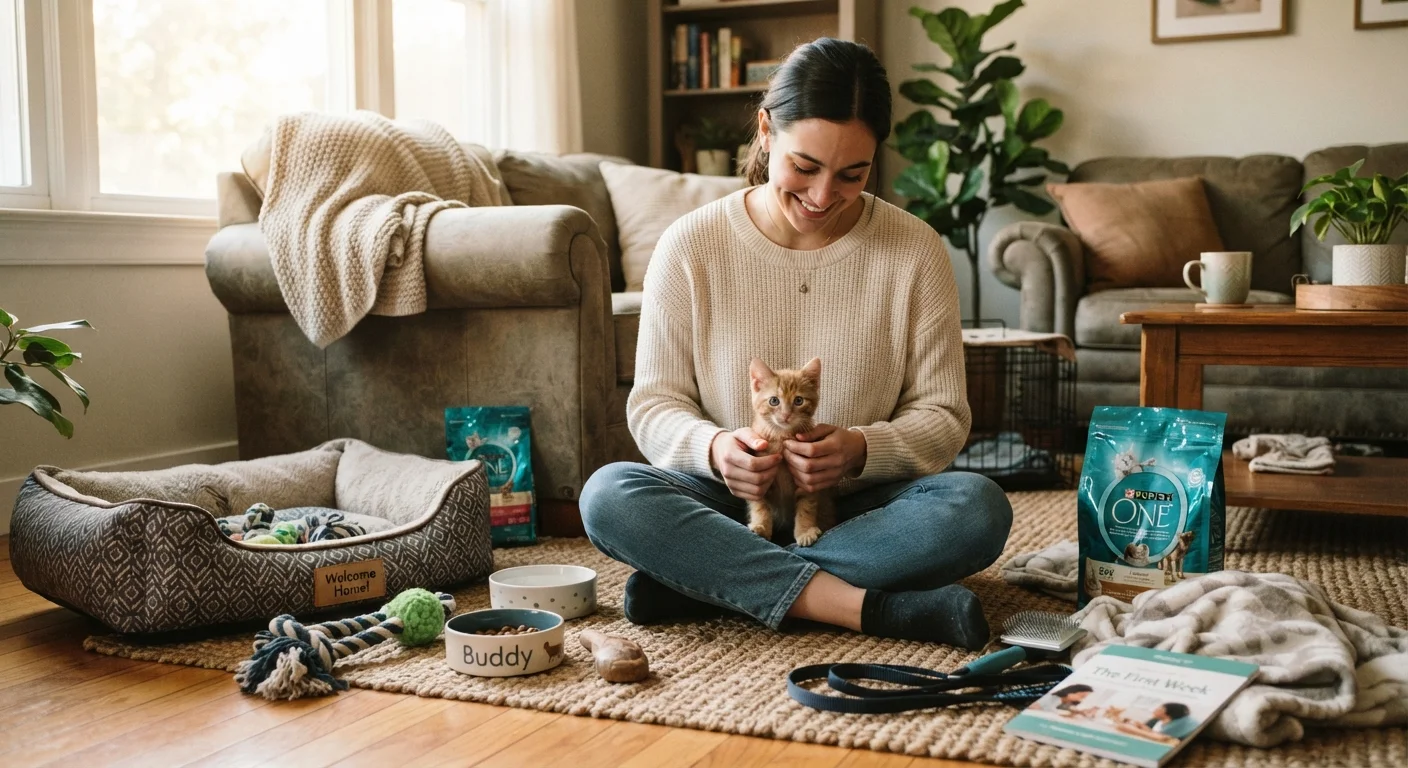
For puppies, this period spans roughly 3 to 14 weeks of age. For kittens, it is shorter and earlier - approximately 2 to 7 weeks. The difference matters: by the time many kittens arrive in a new home, a significant portion of their window has already passed. That's not cause for panic, but it does underscore why the environment they're raised in before adoption carries real weight.
For a deeper look at the research underpinning these timelines, see why early exposure shapes pet behaviour for life.
What Happens After the Window Closes?
Missing or underusing the socialisation window doesn't permanently doom an animal to fearfulness, but it does raise the bar. Adult animals can still learn through careful desensitisation and counterconditioning, but the process is slower and requires more consistency. For animals showing significant fear or anxiety, working with a qualified veterinary behaviourist is strongly recommended. See what's normal and what's not in pet behaviour for early warning signs to watch for.
What to Expose Young Animals To - and How
The goal of socialisation is not simply exposure - it's positive exposure. An overwhelmed or frightened puppy or kitten isn't being socialised; they're being sensitised to fear. Every new experience should be introduced at a pace the animal can handle, with plenty of opportunity to retreat if needed.
Broadly, young animals benefit from encountering:
- Different types of people - varying ages, appearances, and movement styles (including children and people wearing hats or glasses)
- Other animals - ideally well-vaccinated, calm adults in controlled settings
- Household sounds - appliances, doorbells, traffic, music
- Different surfaces and environments - grass, tile, stairs, outdoor settings
- Handling - ears, paws, mouth, and body touched gently and regularly, which helps with future vet visits and grooming
Keep sessions short. A few minutes of calm, rewarding experience is far more effective than a long, stressful one. If the animal shows signs of fear - freezing, cowering, flattened ears, or attempts to escape - reduce the intensity rather than pushing through.
Best Practices for Socialising Puppies and Kittens
Knowing the theory is one thing; applying it consistently is another. The following practices reflect what animal behaviour experts and veterinary professionals broadly recommend for making the most of this developmental window.
Start socialisation as early as the animal arrives in your home.
Every day within the socialisation window is an opportunity that cannot be recovered later. Waiting until the animal 'settles in' for weeks can mean losing a significant portion of this sensitive period without any meaningful exposure.
Use food rewards to build positive associations with new experiences.
Pairing something unfamiliar with a high-value reward signals to the animal's brain that the new thing predicts something good. This counterconditioning effect is one of the most reliable tools in shaping calm, confident responses.
Let the animal set the pace - never force interaction.
Forced exposure, sometimes called flooding, can backfire dramatically, creating or intensifying fear rather than reducing it. Animals that feel they have control over their proximity to something new are far more likely to approach and investigate voluntarily.
Introduce handling of sensitive body areas early and routinely.
Paws, ears, mouths, and tails are all areas that vets and groomers routinely need to handle. Animals that are desensitised to this handling early are significantly less stressed - and safer - during future care appointments.
Vary the types of people and environments the animal encounters.
Socialisation that is limited to one type of person or one setting produces animals that are calm only in familiar contexts. Broad, varied exposure builds generalised confidence rather than narrow comfort zones.
Maintain a socialisation log to track what the animal has encountered.
It's easy to assume a young animal has experienced more than it actually has. A simple log helps identify gaps in exposure and ensures the window is being used systematically rather than haphazardly.
As you build these habits, it also helps to avoid the common missteps that can undermine early development. The article on mistakes new pet owners make in the first few weeks covers several that directly affect socialisation outcomes.
Balancing Socialisation With Health Precautions
One of the most common points of confusion for new owners is how to socialise a puppy or kitten that hasn't yet completed its vaccination course. The concern is real - unvaccinated animals can contract serious diseases from other animals or contaminated environments - but the risks of under-socialisation are also significant and well-documented.
Most veterinary behaviourists suggest a risk-balanced approach: prioritise socialisation with fully vaccinated, healthy animals in clean, private spaces (a friend's home, a reputable puppy class with vaccination requirements) rather than avoiding social contact entirely until the vaccination series is complete. Puppy classes run by qualified trainers, for example, are generally considered low-risk and high-reward.
Always discuss the specific timeline with your veterinarian, who can help you weigh local disease prevalence against developmental needs. There is no universal answer, but most professionals agree the window is too important to leave unused.
“The socialization period is arguably the most important developmental stage in an animal's life. What happens - or doesn't happen - during those weeks will influence how that animal relates to the world for the rest of its life.”
— Ian Dunbar, Veterinarian and animal behaviourist, founder of the Association of Pet Dog Trainers
Play is a core part of this process too - see what animal play reveals about development and wellbeing for more on how young animals use play to build confidence and communication skills.
If you're preparing to bring a second pet into a home with existing animals, introducing a new pet to a household with existing animals offers structured guidance on managing those early interactions safely.
This article is for general informational purposes only and does not constitute veterinary or medical advice. Always consult a qualified veterinarian for guidance specific to your pet's health and development.