How Each Method Actually Works
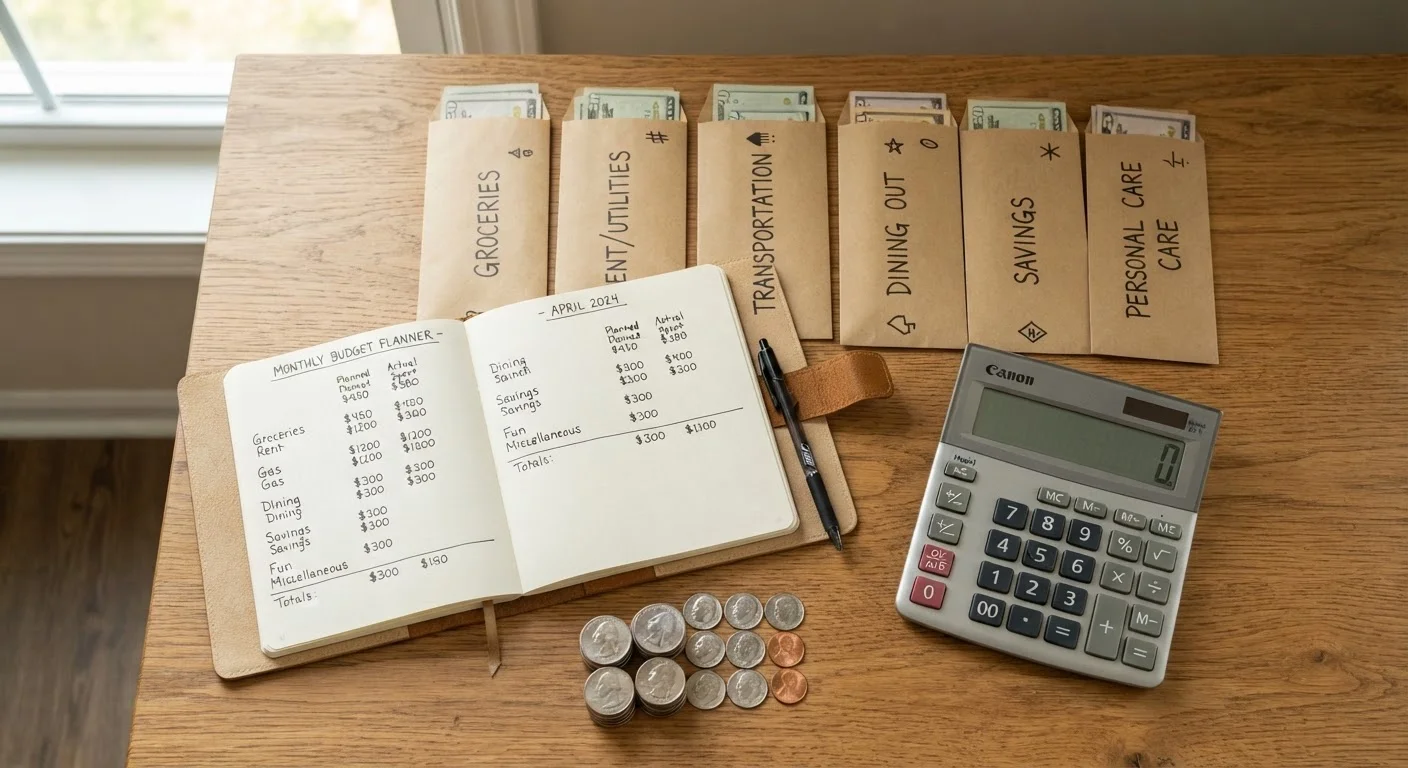
Zero-based budgeting starts from scratch every month. You take your total expected income and assign every dollar to a specific category - rent, groceries, insurance, savings, dining out, and so on - until you reach zero. The goal isn't to spend everything; it's to make a deliberate decision about every dollar before it gets spent. Anything left unassigned goes explicitly into savings or debt payoff.
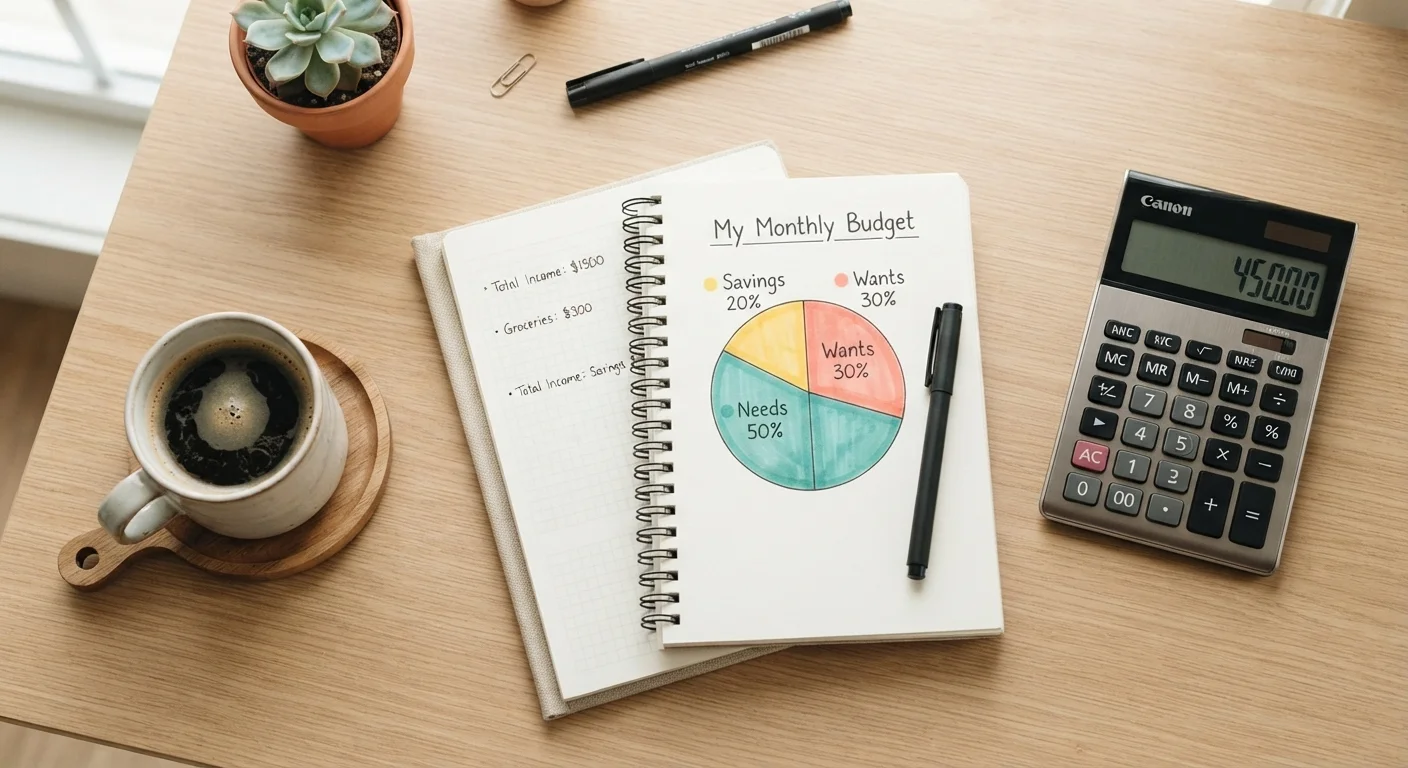
The 50/30/20 rule works differently. You divide your after-tax income into three broad categories: 50% toward needs (rent, utilities, groceries, minimum debt payments), 30% toward wants (dining out, subscriptions, hobbies), and 20% toward savings and debt reduction. There's no itemized list - just three guardrail percentages. For a deeper look at how the 50/30/20 framework operates day-to-day, see our plain-English breakdown of this popular method.
| Criterion | Zero-Based Budgeting | 50/30/20 Rule |
|---|---|---|
| Core principle | Every dollar assigned a job | Income split into three percentages |
| Monthly time commitment | 30-60+ minutes to set up | Minutes once income is known |
| Level of detail | Line-item categories | Three broad buckets |
| Best income type | Variable or irregular income | Stable, predictable income |
| Flexibility | Rebuilt from scratch monthly | Fixed percentages applied consistently |
| Learning curve | Steeper - requires tracking discipline | Shallow - easy to start immediately |
| Debt payoff focus | High - money explicitly redirected | Moderate - within 20% bucket |
| Visibility into spending habits | Very high | Moderate |
If you've never built a budget before, our ground-up beginner's guide can help you get the foundational pieces in place before choosing a method.
The Real Trade-Offs: Time, Precision, and Flexibility
Zero-based budgeting's biggest strength is also its biggest drawback: it requires consistent effort. You'll typically spend 30-60 minutes at the start of each month building the budget, and additional time during the month checking actual spending against your plan. That time investment yields genuine insight - you'll know exactly where your money went and why.
The 50/30/20 rule trades precision for simplicity. Once you know your after-tax income, the math takes minutes. The downside is that broad categories can hide problems. If your "needs" bucket runs to 65% of income - common in high-cost cities - the rule gives you little guidance on what to cut or adjust. It also treats all wants as equivalent, making it harder to prioritize spending within that 30%.
~78%
Americans living paycheck to paycheck at some point
Various consumer surveys over recent years consistently find a large share of U.S. adults report financial fragility, highlighting why a structured budgeting method matters.
30%
Portion of income the 50/30/20 rule allows for wants
For a household earning $60,000 after tax, that's $18,000 annually - a figure that's easy to exceed without a tracking system in place.
$0
Unassigned dollars in a zero-based budget
The defining feature of zero-based budgeting is that income minus all assigned categories equals zero, ensuring every dollar has an explicit purpose.
Flexibility cuts both ways. The 50/30/20 rule is easier to maintain over time because it doesn't require rebuilding from scratch each month. Zero-based budgeting, by contrast, is particularly well-suited to variable income - freelancers, gig workers, and anyone with irregular pay can rebuild the budget each month based on what they actually earned rather than a fixed target. For a broader comparison of budgeting styles, this side-by-side overview covers envelope budgeting, pay-yourself-first, and other popular methods.
A Note on the 50% Needs Threshold
The 50/30/20 rule assumes that housing, transportation, food, and other essentials can fit within half your take-home pay. In many U.S. metropolitan areas, housing costs alone can push essential expenses well beyond 50%. If your needs exceed 50%, the rule still provides useful structure, but you may need to adjust the percentages - or consider whether zero-based budgeting's flexibility better suits your cost-of-living reality. Neither approach guarantees that your income will cover your expenses; both simply help you make the most of what you have.
Choosing the Right Fit - and Making It Stick
The best budget is the one you'll actually use. A few honest questions can guide your choice:
- How much time are you willing to spend? If monthly budget-building sounds tedious, 50/30/20 is more sustainable.
- Is your income stable? Variable income generally benefits from the adaptability of zero-based budgeting.
- What's your primary goal? Aggressive debt payoff or saving for a specific target often calls for the control zero-based offers. General financial stability can work well with 50/30/20.
- Have you struggled with overspending in specific categories? Zero-based budgeting's line-item structure makes problem areas visible and harder to ignore.
Neither method is permanently binding. Many people start with 50/30/20 to build the budgeting habit, then shift to zero-based when they're ready for more control - or they use elements of both. You might apply zero-based logic to your discretionary spending while using the 50/30/20 percentages as overall health checks.
If you're worried that any budgeting method will feel restrictive, this look at common budgeting myths addresses some of the most persistent misconceptions that stop people from starting. The goal isn't a perfect system - it's a system that moves your financial life in the right direction.
This article is for general informational purposes only and does not constitute personalized financial advice. Consider consulting a qualified financial professional for guidance specific to your situation.