Why Mould Myths Are Genuinely Costly
Mould prevention advice is everywhere - on packaging labels, in home improvement forums, and passed between neighbors. The problem is that a surprising amount of it is wrong, and acting on the wrong information doesn't just waste money: it can allow mould colonies to spread quietly behind walls, under flooring, and inside cavities where you can't see them.
Understanding what actually drives mould growth is the foundation of preventing it. Mould needs three things: a food source (almost any organic material including drywall paper, wood, and dust), warmth, and moisture. Of those three, moisture is the only one you can realistically control in a home. That's what makes the misconceptions around moisture and humidity so consequential.
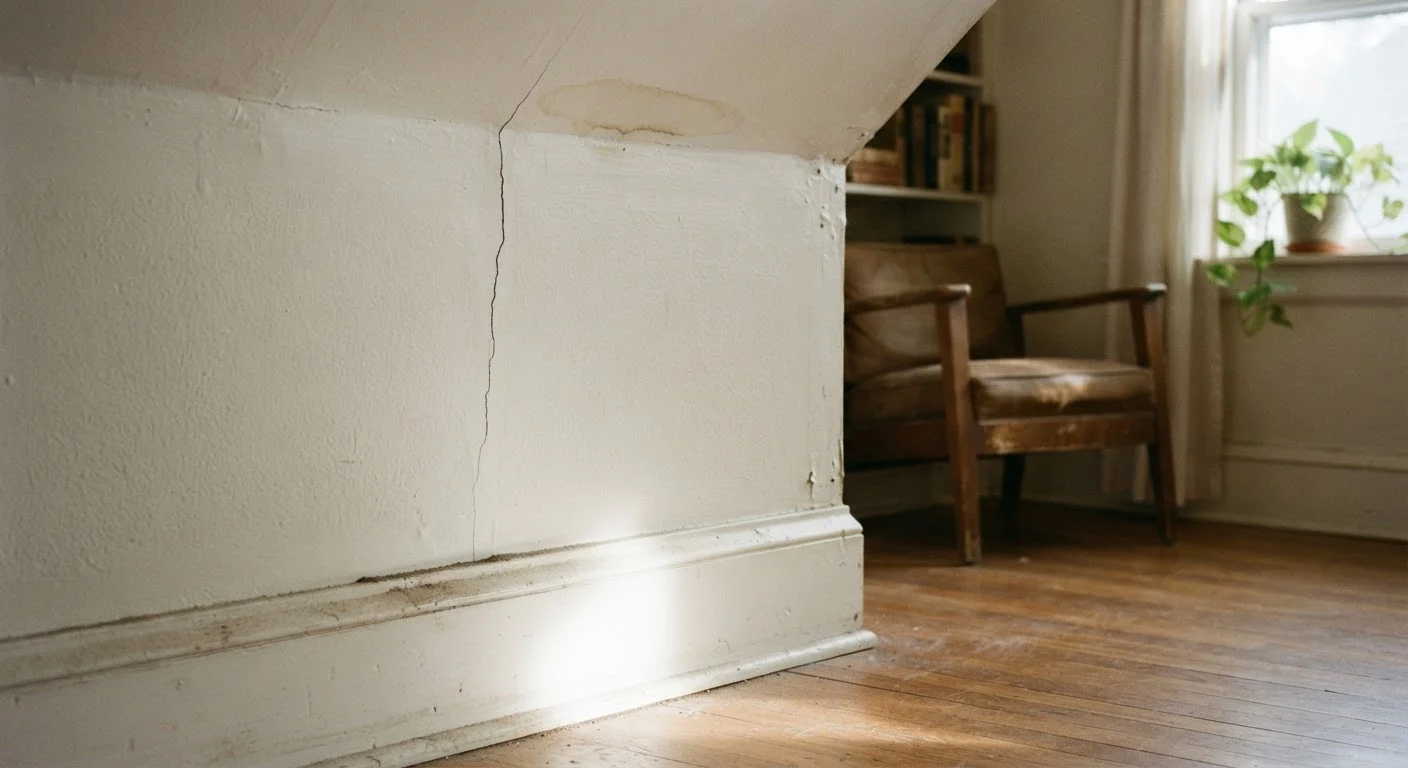
If you've noticed staining, musty odors, or peeling paint, it's worth pairing this guide with a read on early warning signs of hidden damage - mould is frequently a symptom of a deeper structural or moisture issue rather than a surface problem.
Myth
Bleach kills mould and stops it from coming back.
Fact
Bleach removes surface staining but does not penetrate porous materials where mould roots grow, and it does nothing to address the moisture that caused mould in the first place.
Bleach is effective on non-porous surfaces like glass or glazed tile. On porous materials - drywall, grout, wood, or unsealed concrete - it bleaches the visible discoloration while leaving the fungal hyphae (root structures) intact beneath the surface. Without removing the moisture source, mould typically returns within weeks. A diluted solution of detergent and water followed by thorough drying is more appropriate for porous surfaces, though professional remediation is often warranted for anything beyond small, isolated patches.
Myth
If your home doesn't feel damp, mould can't grow.
Fact
Mould can colonize surfaces at relative humidity levels around 60% - well below the threshold most people associate with a 'damp' feeling in the air.
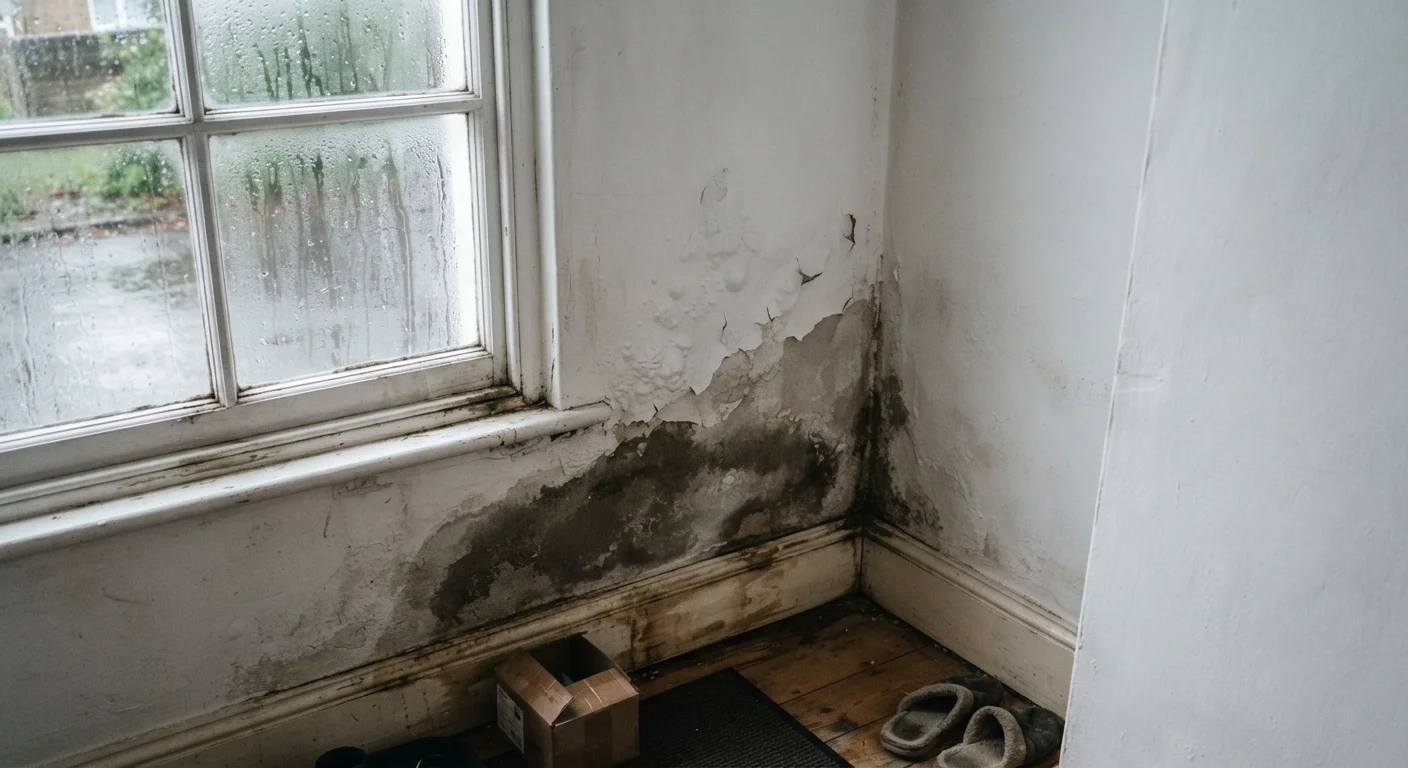
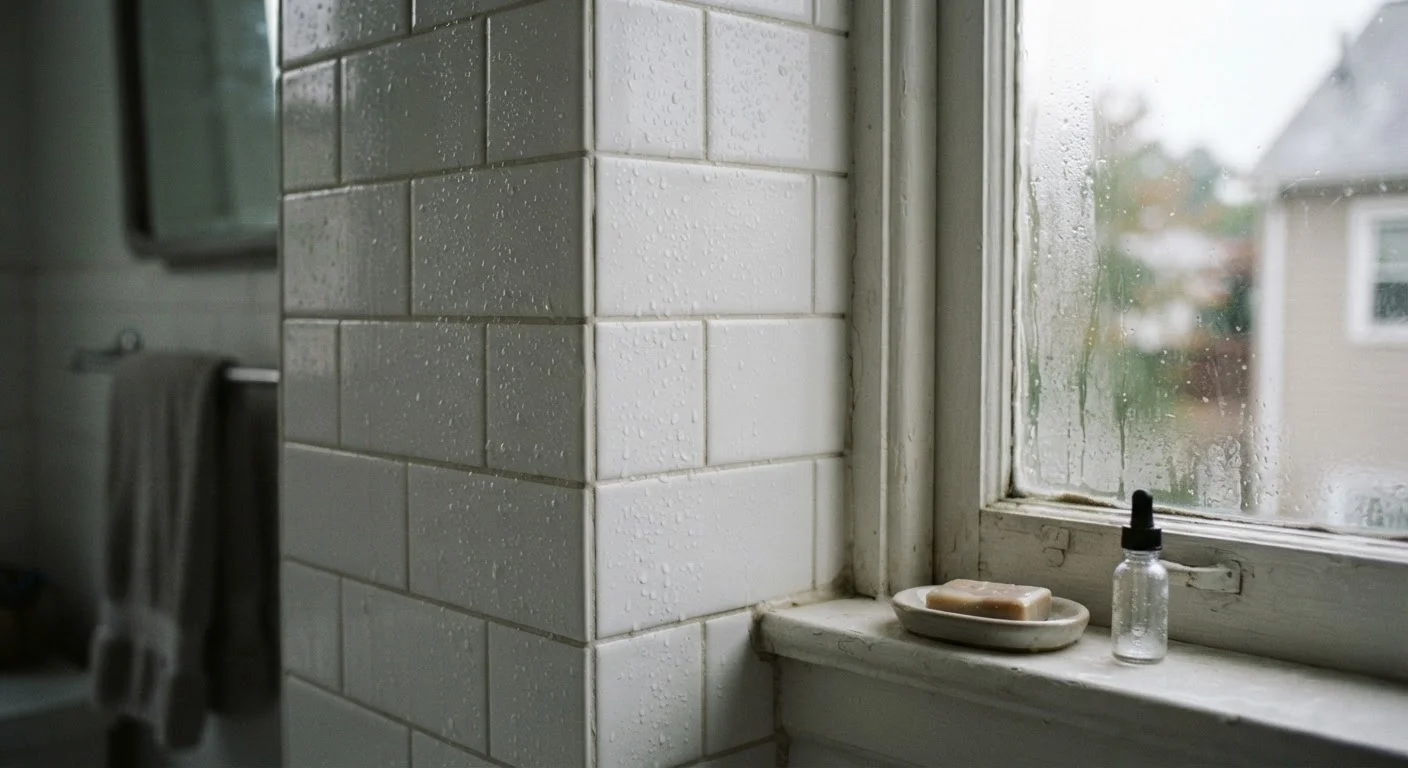
Human perception of humidity is unreliable, especially in well-heated or air-conditioned spaces. Cold surfaces like exterior walls, window frames, and the backs of wardrobes can reach their dew point (the temperature at which moisture condenses) even when the general air feels comfortable. This is why mould so often appears first in corners, on north-facing walls, or behind furniture - microclimates within a room can differ significantly from the overall ambient feel.
Myth
Painting over mould with anti-mould paint solves the problem.
Fact
Anti-mould paint can inhibit surface mould growth on a clean, dry substrate, but applied over existing mould or an active moisture problem, it will fail relatively quickly.
Anti-mould paints contain fungicides that slow surface colonization - they are a finishing layer, not a remediation tool. Painting over active mould or a persistently damp wall seals in the problem and typically results in bubbling, flaking, and mould reappearance within months. The correct sequence is always: identify and fix the moisture source, remove and treat existing mould, allow the surface to dry thoroughly, then apply any protective finish.
Myth
Mould only grows in old or poorly built homes.
Fact
Modern, well-insulated, airtight homes can actually be more susceptible to mould because reduced air exchange traps moisture indoors.
Energy-efficient construction has dramatically reduced unintentional air leakage, which is excellent for heating costs but creates a trade-off: the moisture generated by cooking, bathing, breathing, and houseplants has fewer natural escape routes. Without deliberate mechanical ventilation - such as heat recovery ventilators (HRVs) or properly functioning exhaust fans - that moisture accumulates. New homeowners in recently built or heavily weatherproofed properties are sometimes caught off guard by this dynamic.
Myth
A dehumidifier alone is enough to prevent mould throughout your home.
Fact
A dehumidifier is a useful tool in specific moisture-prone areas, but a single unit cannot compensate for active leaks, poor ventilation, or cold surface condensation elsewhere.
Portable dehumidifiers work within a limited area and need regular maintenance - a full water reservoir stops the unit from operating, and dirty coils reduce efficiency. They are most effective as part of a broader strategy that includes fixing leaks, improving ventilation, and insulating cold surfaces to reduce condensation. Relying solely on a dehumidifier while ignoring underlying moisture sources is unlikely to prevent mould long-term.
What Actually Works for Long-Term Mould Prevention
Once the myths are cleared away, effective prevention comes down to consistent moisture management across the whole home - not just the rooms where you've spotted problems before.
60%
Relative humidity threshold for mould risk
The EPA advises keeping indoor humidity below 60% to discourage mould growth, with 30-50% cited as the optimal range for most homes.
24-48 hrs
Time for mould to begin growing on a wet surface
Under favorable conditions, mould spores can begin colonizing a damp surface within one to two days, according to EPA guidance on water damage response.
Control humidity at the source
A hygrometer (a small, inexpensive device that measures indoor humidity) is one of the most practical tools a homeowner can have. Aim to keep indoor relative humidity between 30% and 50%. Run bathroom and kitchen exhaust fans during and for at least 15-20 minutes after cooking or showering - and make sure those fans actually vent outdoors rather than into an attic or wall cavity, which is a surprisingly common installation error.
Prioritize ventilation over air fresheners
Moving air discourages mould. In rooms without mechanical ventilation, cracking a window regularly or using a portable fan to circulate air makes a measurable difference. Furniture pushed flush against exterior walls can trap moisture - leaving a small gap improves airflow against those cooler surfaces.
Fix leaks without delay
Even a slow drip under a sink or a minor roof leak creates a persistent moisture source. Mould can begin colonizing a damp surface within 24 to 48 hours under the right conditions. The longer a leak goes unaddressed, the more likely it is to require remediation rather than simple cleaning. Understanding the difference between condensation and penetrating damp is critical here - our article on damp, condensation, and rising moisture explains how to identify which type you're dealing with so you address the actual source.
Don't Vent Exhaust Fans Into Attic Spaces
A bathroom or kitchen exhaust fan that terminates inside an attic rather than through the roof or an exterior wall simply moves moisture to a different - and often worse - location. Attic mould can go undetected for years and may affect structural timbers. If you're unsure where your fans vent, have a qualified contractor check before assuming the system is working as intended.
When to call a professional
If mould covers an area larger than roughly 10 square feet, is located in HVAC systems, or keeps returning after cleaning, the U.S. Environmental Protection Agency (EPA) recommends professional assessment. DIY remediation is generally appropriate only for small, isolated surface mould on non-porous materials.