What Makes the AT Corridor Unique
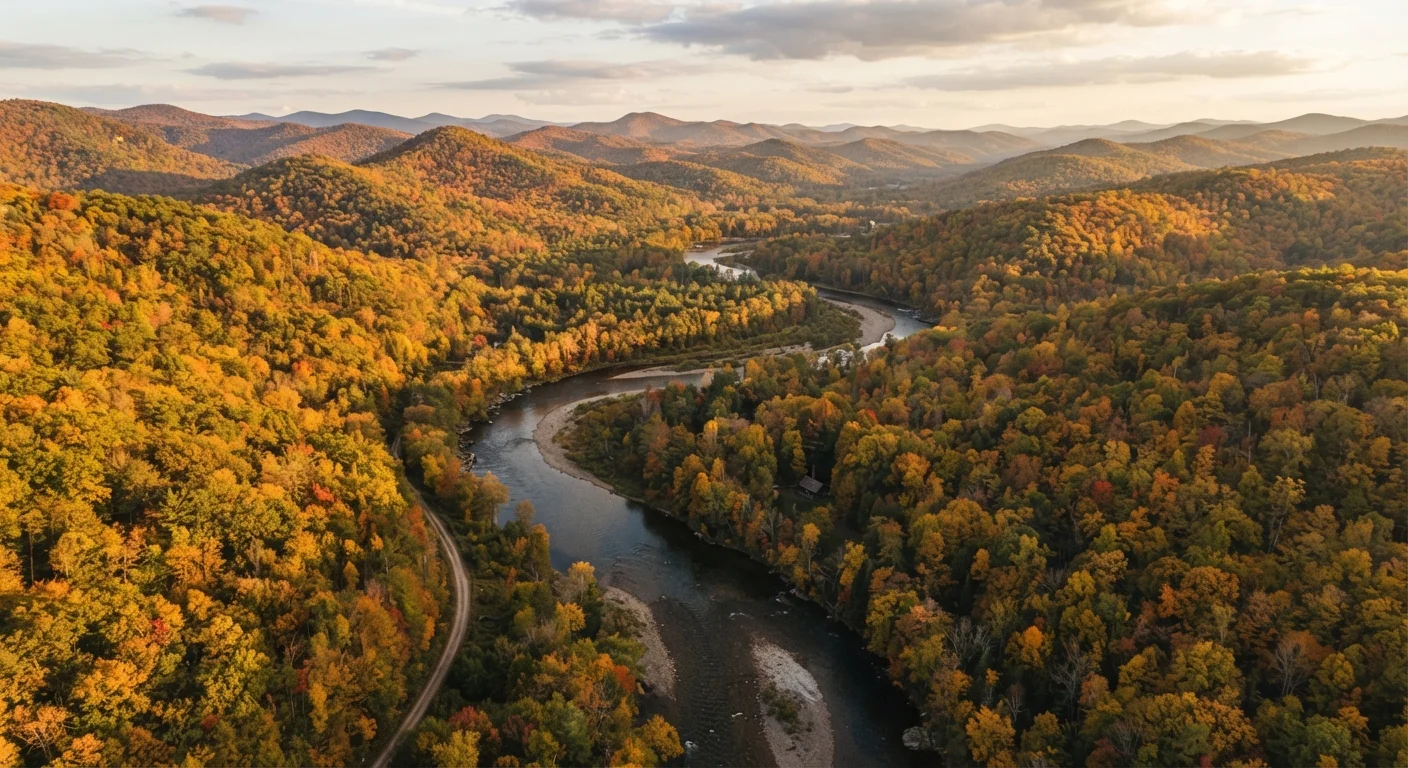
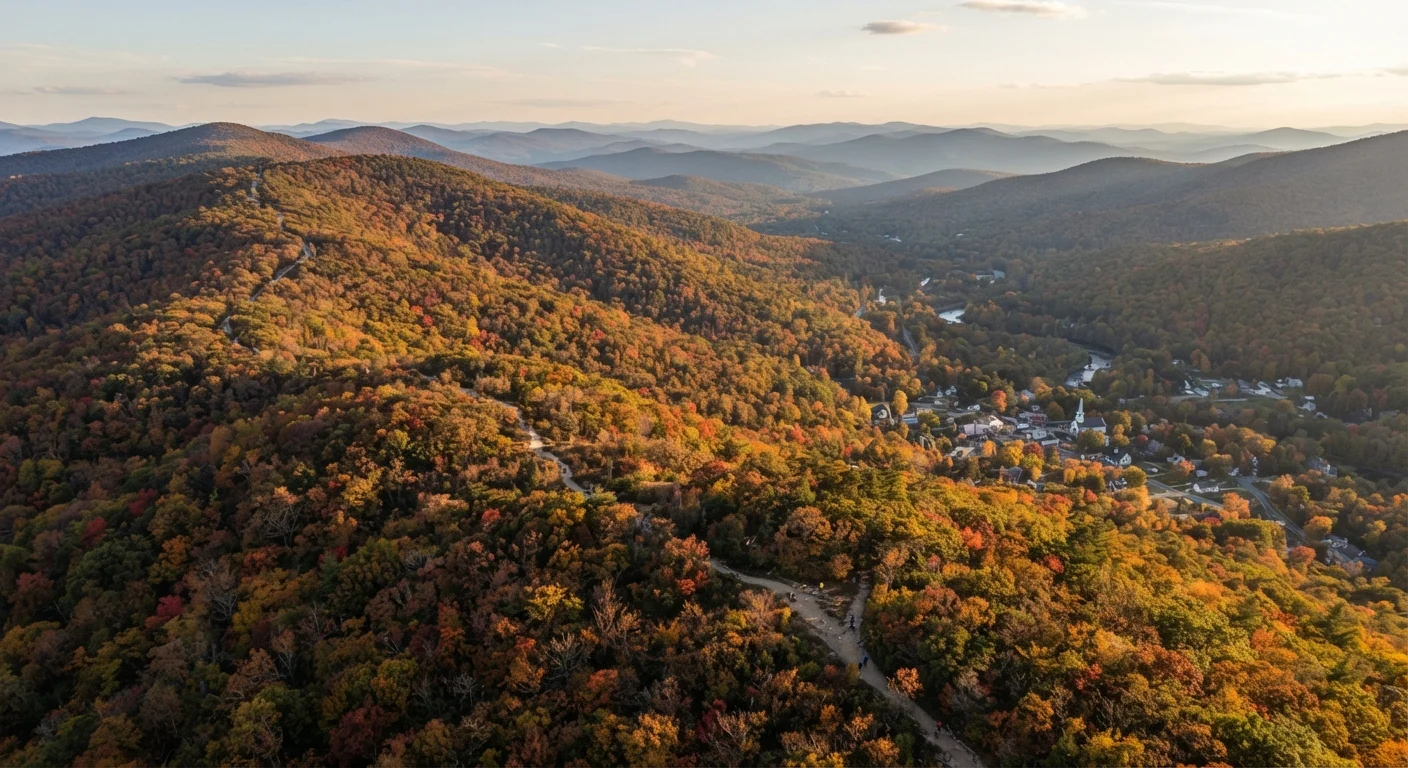
Most people think of the Appalachian Trail as a destination for hardcore long-distance hikers - and it is. But the corridor it passes through is something far broader and richer than a single footpath. Spanning 14 states from the Deep South to northern New England, the AT stitches together an extraordinarily diverse collection of landscapes: mossy Southern Appalachian hollows, mid-Atlantic river gaps, rocky Pennsylvania ridgelines, and the exposed granite summits of New Hampshire's White Mountains.
What makes it compelling for curious travelers is that this diversity doesn't stay on the trail. It spills into the towns, the architecture, the local food, and the community culture found in the villages nearby. Whether you're planning a thru-hike or a long weekend road trip, the corridor rewards exploration at every level.
2,190+
Miles of trail from Georgia to Maine
The Appalachian Trail Conservancy cites the total trail length as approximately 2,190 miles, though the exact figure varies slightly as the route is periodically adjusted.
14
US states the trail passes through
The AT traverses a continuous chain of states along the eastern seaboard, from Georgia in the south to Maine in the north.
3 million+
Estimated annual trail visits
The Appalachian Trail Conservancy estimates more than three million people visit the trail each year, the vast majority as day hikers rather than long-distance trekkers.
Southern Appalachian Gateway Towns
The trail's southern terminus near Amicalola Falls, Georgia, sits within a landscape of waterfalls, rhododendron thickets, and quiet mountain towns. Hiawassee, GA and Franklin, NC are among the first communities hikers encounter - places built around outdoor culture but grounded in long Appalachian history.
Further north, Hot Springs, NC is a textbook AT trail town: the footpath literally runs down the main street. Natural mineral springs, local cafes, and a riverside setting make it a draw for visitors who aren't hiking at all. The Smokies section - where the AT traverses Great Smoky Mountains National Park - is among the most visited stretches of national parkland in the country, though the backcountry immediately north quiets down considerably.
Mid-Atlantic History and River Towns
The AT's middle states offer a different kind of reward: history layered onto landscape. Harpers Ferry, West Virginia, where the trail briefly crosses, sits at the confluence of the Shenandoah and Potomac rivers and carries deep Civil War significance. Its preserved 19th-century streetscapes are genuinely worth a dedicated visit.
In Virginia, the trail traverses Shenandoah National Park along Skyline Drive - one of the most accessible scenic corridors in the eastern US. Damascus, VA, nicknamed "Trail Town USA," hosts the annual Trail Days festival and embodies the welcoming spirit the AT corridor is known for. The region's under-visited Appalachian river towns offer experiences that reward the traveler willing to slow down and look closely.
“The Appalachian Trail is not just a footpath - it's a corridor of American life, connecting communities and landscapes that most of the country has never seen.”
— Jennifer Pharr Davis, Long-distance hiker and author on the Appalachian Trail experience
New England's Peaks and College Towns
The northern sections of the AT corridor shift dramatically in character. In Vermont and New Hampshire, the terrain becomes more rugged and remote, with exposed ridgelines above treeline. Hanover, NH - home to Dartmouth College - gives the trail an unexpected collegiate energy, while Gorham, NH serves as a practical base for the Presidential Range.
Maine's final stretch through the 100-Mile Wilderness and up to Mount Katahdin in Baxter State Park is the most isolated section of the corridor. Millinocket, ME, a former paper mill town, has reinvented itself around outdoor tourism - a story of community resilience worth understanding before you visit.
Plan Around the Corridor, Not Just the Trail
Before visiting any section of the AT corridor, research the nearest trail towns for lodging, dining, and seasonal events. Many towns publish visitor guides through their local chambers of commerce or tourism boards. Always verify current trail conditions and any permit requirements - particularly in national park sections - through official sources like the Appalachian Trail Conservancy or the relevant land management agency.