Recognising Pet Anxiety Before Addressing It
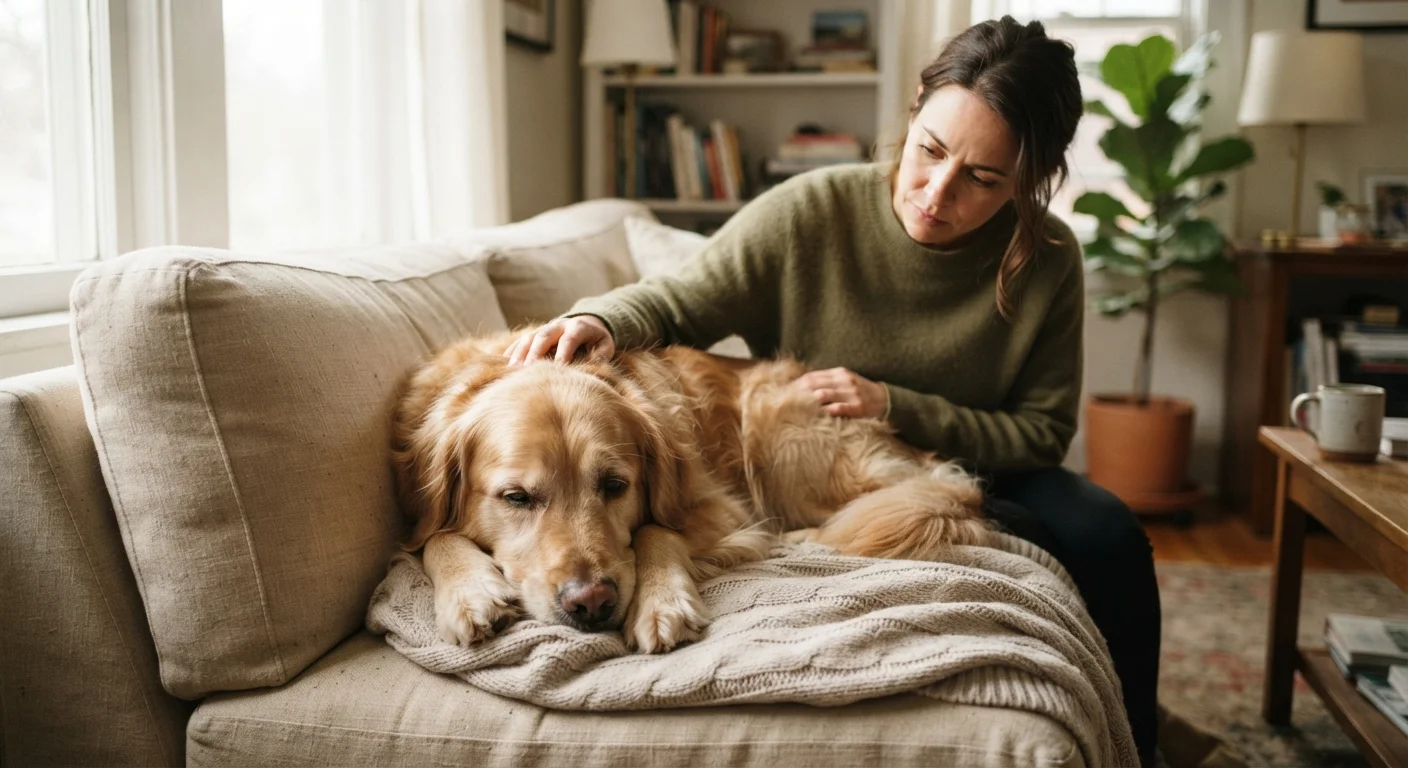
Anxiety in companion animals is more common than many owners realise, and it can look quite different from what people expect. Dogs may pace, pant, yawn excessively, or destroy household items. Cats often hide, over-groom, or stop using the litter box. Rabbits, birds, and small mammals can show repetitive movements or go off their food. These signals are the body's stress response - not disobedience.
Because several of these signs overlap with physical illness, a veterinary consultation is always the right first step. Your vet can rule out underlying medical causes and confirm whether anxiety is at the root. For a broader look at subtle signs that deserve professional attention, see Signs Your Pet May Be Unwell That Are Easy to Miss.
This article is for general informational purposes only and does not constitute veterinary or medical advice. Always consult a qualified veterinarian regarding your pet's individual health and behaviour needs.
Evidence-Informed Approaches Vets Commonly Recommend
There is no single solution for pet anxiety, but a combination of environmental management, behavioural techniques, and - when appropriate - veterinary-prescribed treatment tends to produce the best outcomes. The practices below reflect approaches widely supported by veterinary behaviourists and animal welfare organisations.
Create a dedicated, always-accessible safe space for your pet.
Anxious animals need a predictable retreat where they feel in control of their environment. A safe space reduces the overall arousal load throughout the day and gives your pet a way to self-regulate before stress escalates.
Maintain consistent daily routines for feeding, exercise, and rest.
Predictability is deeply calming for most social animals. When a pet can anticipate what happens next, the nervous system spends less energy in a state of vigilance, which reduces baseline anxiety over time.
Use systematic desensitisation and counter-conditioning for specific triggers.
Gradual, controlled exposure to a fear trigger - paired with something the pet values, like a treat or praise - teaches the brain a new emotional response. This technique is among the most evidence-supported in veterinary behavioural science.
Avoid punishing or dismissing anxious behaviour.
Punishment - including scolding, physical correction, or even inadvertent reassurance given in an anxious tone - can amplify fear and damage trust. Anxious behaviour is not wilful; the pet is not choosing to be difficult.
Discuss pharmaceutical or supplement options with your vet when behaviour alone is insufficient.
Some anxiety disorders have a significant neurochemical component that behavioural modification alone cannot fully address. Veterinary-prescribed medications can reduce the intensity of anxiety enough for learning to occur. Supplements with some evidence of benefit - such as certain calming treats or pheromone diffusers - may also be discussed, though evidence varies by product.
Incorporate regular, appropriate physical and mental exercise into daily life.
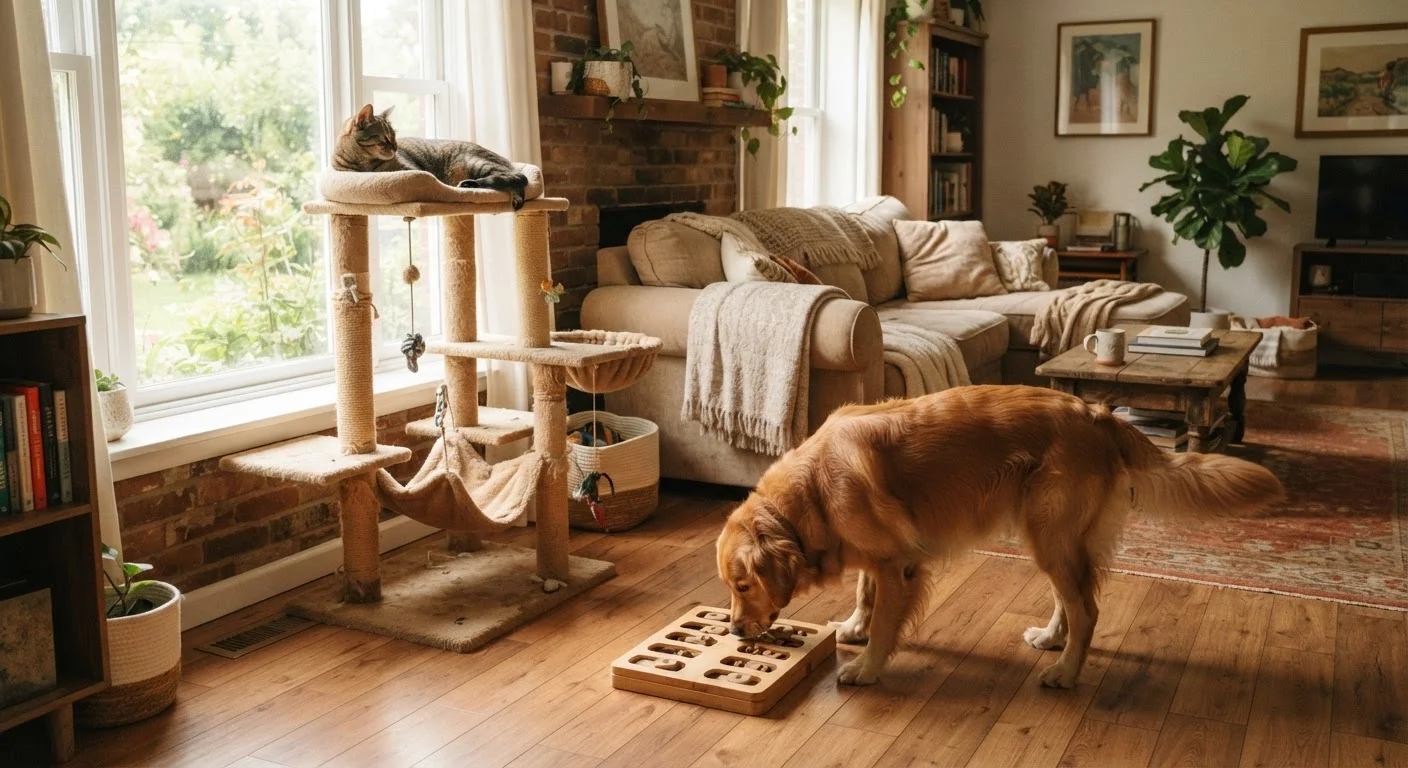
Physical activity metabolises stress hormones and improves emotional regulation in most mammals. Mental engagement - through training, food puzzles, or scent work - provides an additional outlet that reduces anxious energy.
Quick Wins You Can Start Today
While a full anxiety management plan takes time to build, several low-effort adjustments can reduce stress almost immediately. These starting points complement - but do not replace - a proper veterinary assessment.
For deeper ideas on keeping your pet mentally occupied, explore Enrichment for Pets: Building a Mentally Stimulating Environment at Home, which covers low-cost stimulation strategies for dogs, cats, birds, and small mammals.
When to Seek More Specialist Support
If your pet's anxiety is severe, worsening, or putting them or others at risk, a referral to a board-certified veterinary behaviourist may be appropriate. These specialists combine medical and behavioural expertise to create tailored plans - often including structured behaviour modification protocols and, when warranted, prescription medication. Medication is not a failure; for some animals it creates the neurological headspace needed for behavioural learning to actually take hold.
Behavioural Medication: What to Expect
Veterinary-prescribed anxiety medications typically require several weeks to reach full effect and should never be started, stopped, or adjusted without veterinary guidance. They work best as part of a broader plan that includes behavioural strategies - medication alone rarely resolves anxiety long term. Always discuss potential side effects and monitoring schedules with your vet before starting any treatment.
If you are still building a baseline understanding of what normal pet behaviour looks like, Pet Behaviour for First-Time Owners: What's Normal, What's Not is a practical starting point. And if anxiety behaviours ever escalate into signs that seem physically urgent, do not delay - Recognising a Pet Emergency outlines which symptoms need prompt veterinary attention.