Why Cats Conceal Pain
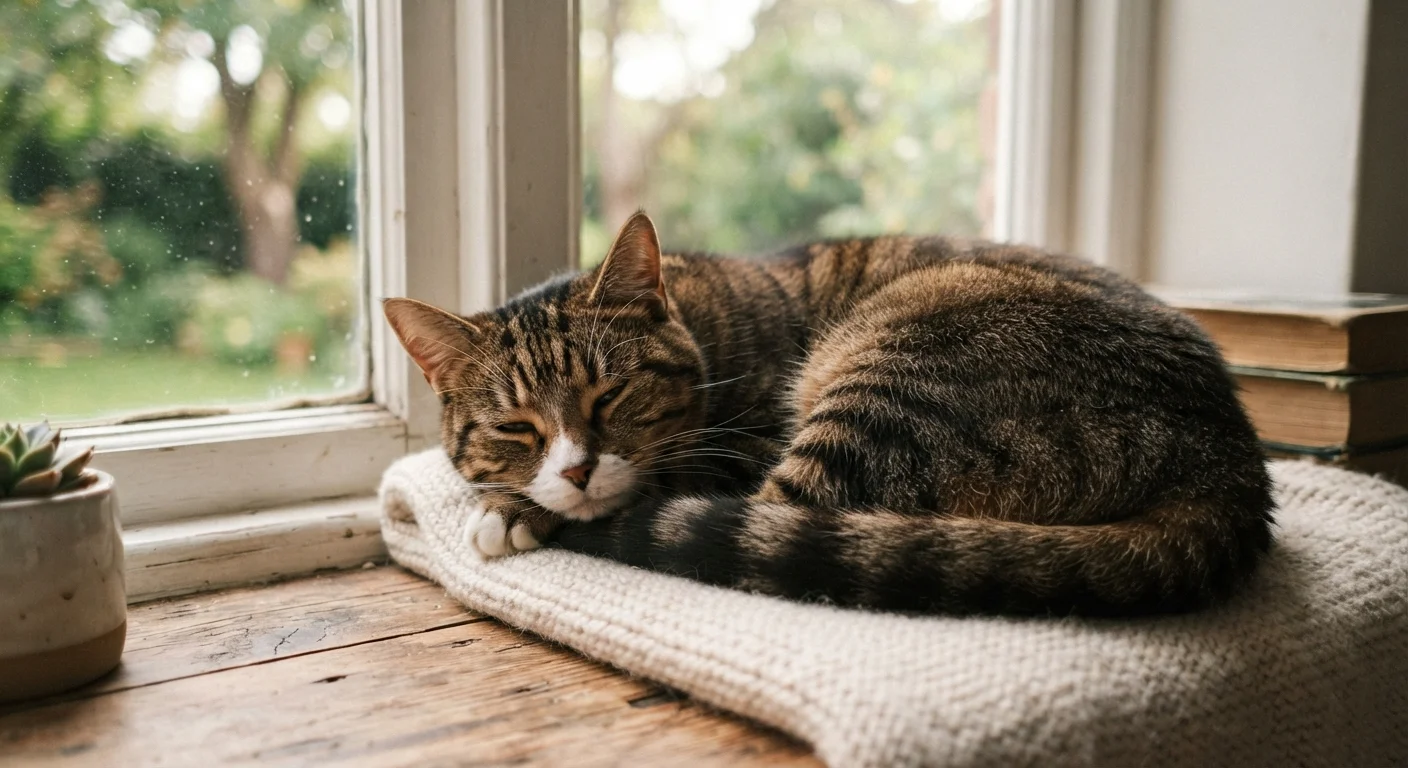
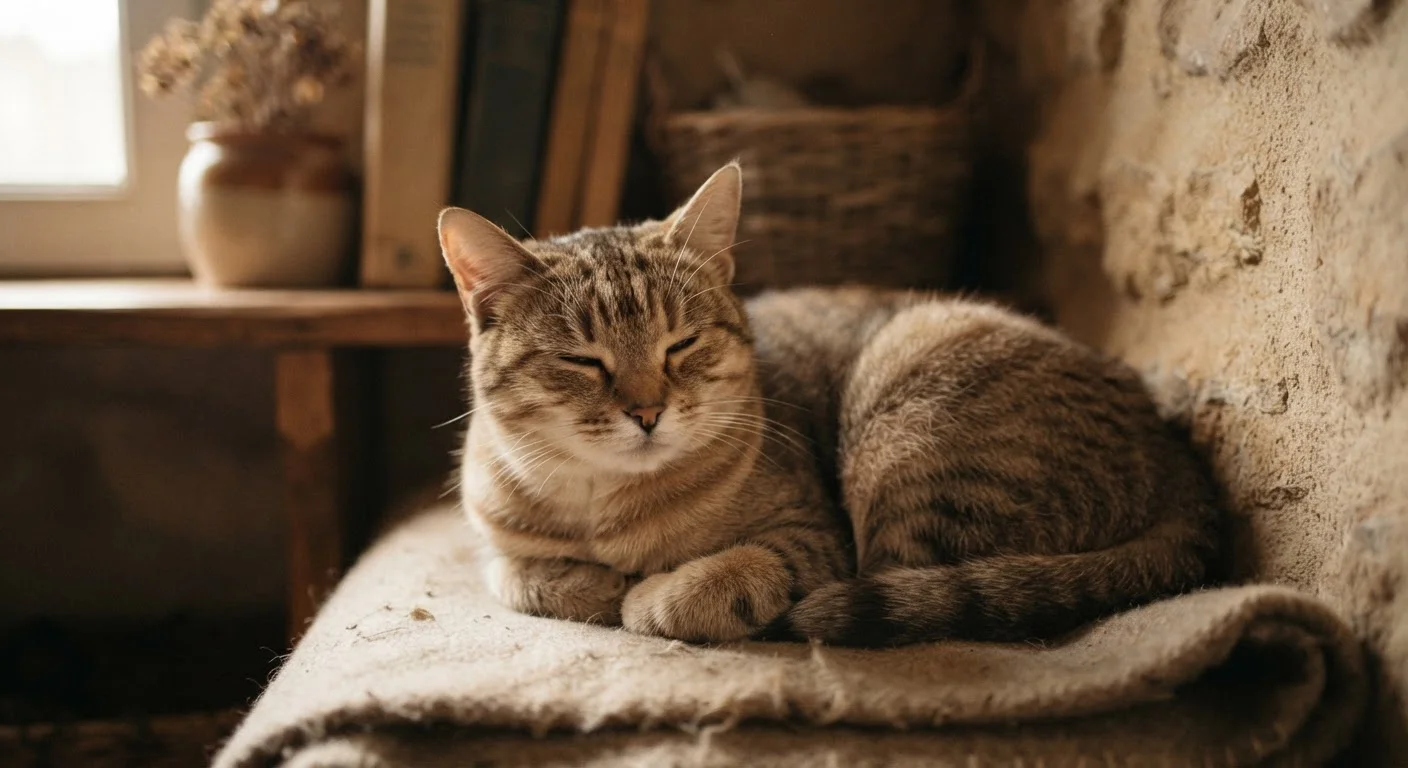
Cats are instinctively wired to mask vulnerability. As both predators and prey in the wild, showing weakness can attract danger - so even domestic cats tend to suppress visible signs of pain. This means that by the time discomfort becomes obvious to an owner, it may already be significant.
Understanding how cats communicate pain requires learning a different vocabulary: one built from posture, routine changes, and subtle shifts in behaviour rather than vocalisations or direct signals. The cues are there - they simply require a trained eye.
For a broader look at how stress and discomfort overlap in feline behaviour, see how pets communicate stress.
| Primary pain-masking reason | Evolutionary instinct to hide vulnerability from predators |
| Key veterinary pain assessment tool | Feline Grimace Scale (facial expression-based) (Developed and validated by veterinary research teams) |
| Most commonly missed chronic pain cause | Dental disease and degenerative joint disease (arthritis) |
| Pain indicators to monitor | Behaviour changes, posture, appetite, grooming patterns |
| When to seek emergency care | Straining to urinate, laboured breathing, pale gums, collapse |
Behavioural Signs of Pain in Cats
Changes in behaviour are often the earliest and most reliable indicators that a cat is in pain. Watch for any of the following shifts from your cat's normal patterns:
- Hiding or withdrawal: A cat that retreats to unusual spots - under beds, in closets, behind furniture - may be seeking isolation due to discomfort.
- Reduced grooming or over-grooming: Painful cats may stop grooming altogether, leading to a dull or matted coat. Alternatively, they may obsessively lick a specific area where pain is localised.
- Changes in appetite or water intake: Eating significantly less - or more - than usual warrants attention, particularly alongside other signs.
- Aggression or irritability: A normally placid cat that hisses, bites, or scratches when touched in a certain area may be protecting a painful spot.
- Altered litter box behaviour: Straining, crying in the box, or avoiding it entirely can signal urinary or gastrointestinal pain - some of which require urgent care.
- Restlessness or inability to settle: Repeatedly shifting positions or pacing may indicate the cat cannot find a comfortable resting posture.
Early stress signals in cats can look similar, so context and pattern matter when interpreting any single behaviour.
Feline Grimace Scale
A scientifically validated tool developed by veterinary researchers to assess acute pain in cats using facial expression cues such as eye openness, ear position, and whisker tension. It is used by veterinary professionals and can assist trained owners in monitoring their cat's comfort.
Guarding
A pain-related behaviour in which an animal protects a specific body part by avoiding movement, resisting touch, or altering posture to reduce pressure on the affected area.
Chronic pain
Pain that persists over an extended period, often associated with progressive conditions such as arthritis, dental disease, or organ dysfunction. In cats, it is frequently underdiagnosed because signs are subtle and gradual.
Localised pain
Discomfort concentrated in a specific area of the body, often revealed in cats through targeted over-grooming, flinching when touched, or reluctance to use a particular limb.
Acute pain
Sudden, short-onset pain typically triggered by injury, infection, or a specific medical event. It is more likely to produce visible distress in cats than chronic pain, though not always.
Physical and Postural Cues
Alongside behaviour, the body itself communicates pain through posture, facial expression, and physical changes. Key signs include:
The Feline Grimace Scale: A Practical Tool
The Feline Grimace Scale was developed and validated by veterinary researchers to help assess acute pain using facial cues alone. It evaluates five action units: orbital tightening, ear position, whisker change, muzzle tension, and head position. While primarily a clinical instrument, awareness of these markers can help owners notice when something looks different about their cat's face - prompting a timely vet visit. Ask your veterinarian for guidance on applying it informally at home.
- Hunched posture: A cat sitting tightly tucked with an arched back and pulled-in limbs is often guarding against pain rather than simply resting.
- Facial changes: The Feline Grimace Scale - a validated veterinary assessment tool - identifies pain through squinted eyes, flattened whisker pads, ear rotation backward, and a tense muzzle.
- Guarding a body part: Reluctance to bear weight on a limb, or flinching when a particular area is touched, points to localised pain.
- Vocalisation: While cats are typically quiet about pain, some do vocalise - particularly with acute or severe discomfort. Yowling, especially at night or in the litter box, should not be dismissed.
- Coat and eye changes: A dull, unkempt coat or partially closed, glazed eyes can reflect systemic illness or ongoing pain.
For a deeper understanding of feline body language in general, cat body language signals offer useful context alongside pain-specific cues.
Some of these signs overlap with those covered in signs your pet may be unwell that are easy to miss - a helpful companion reference for everyday health monitoring.
When to Contact a Veterinarian
No single sign guarantees a cat is in pain, and none should be dismissed as trivial if it represents a change from normal. As a general principle: if something feels off, trust your instinct and contact your veterinarian. Cats deteriorate more quickly than owners often expect when illness or pain goes unaddressed.
Seek prompt veterinary attention if your cat shows any of the following:
- Straining to urinate or producing no urine - this can become life-threatening within hours
- Laboured or open-mouth breathing
- Sudden collapse, loss of coordination, or paralysis
- Seizures or unresponsiveness
- Pale, blue, or white gums
For a full guide to urgent warning signs, see recognising a pet emergency.
Routine veterinary check-ups also matter: many conditions that cause chronic pain - such as dental disease, arthritis, or kidney disease - are detected during examinations before owners notice any symptoms at home.
This article provides general health information for educational purposes and is not a substitute for professional veterinary advice. Always consult a qualified veterinarian if you are concerned about your cat's health or wellbeing.