Why Exercise Needs Vary So Widely
There is no universal answer to how much exercise a pet needs. Species, breed, individual temperament, and life stage all interact to produce very different requirements. A Border Collie puppy and a senior Basset Hound both qualify as dogs, but their daily activity needs are worlds apart. Understanding why this variation exists helps owners make genuinely informed choices rather than applying one-size-fits-all rules.
At its core, exercise serves four overlapping purposes for pets: maintaining a healthy body weight, supporting cardiovascular and musculoskeletal health, providing mental stimulation, and expressing natural behaviors. When any of these go unmet, behavioral problems and health conditions often follow. Insufficient activity is a key driver of pet obesity, which shortens lifespan and reduces quality of life across species.
Dogs: Breed Group and Age Are the Starting Points
Dogs show the widest range of exercise needs among common household pets. As a general framework, veterinary guidelines group dogs by activity demand:
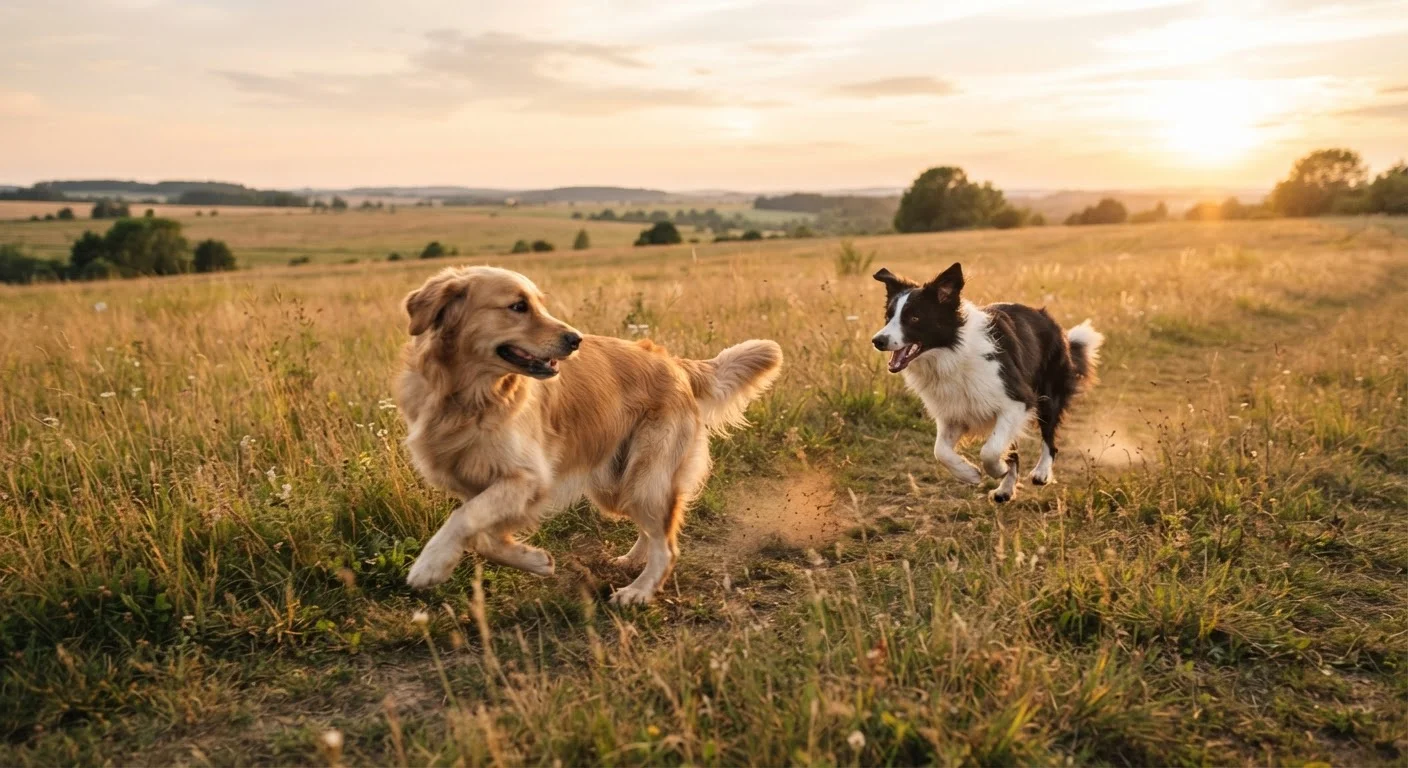
- High-energy working and herding breeds (e.g., Border Collies, Siberian Huskies, Belgian Malinois): typically need 1.5-2 hours of vigorous activity daily, plus mental engagement such as training or scent work.
- Sporting breeds (e.g., Labrador Retrievers, Weimaraners): generally benefit from 1-1.5 hours of moderate-to-vigorous exercise per day.
- Companion and toy breeds (e.g., Cavalier King Charles Spaniels, Chihuahuas): often do well with 30-45 minutes of lighter activity, though individual variation is significant.
- Brachycephalic breeds (e.g., Bulldogs, Pugs): require gentler, shorter sessions to avoid respiratory stress, especially in warm weather.
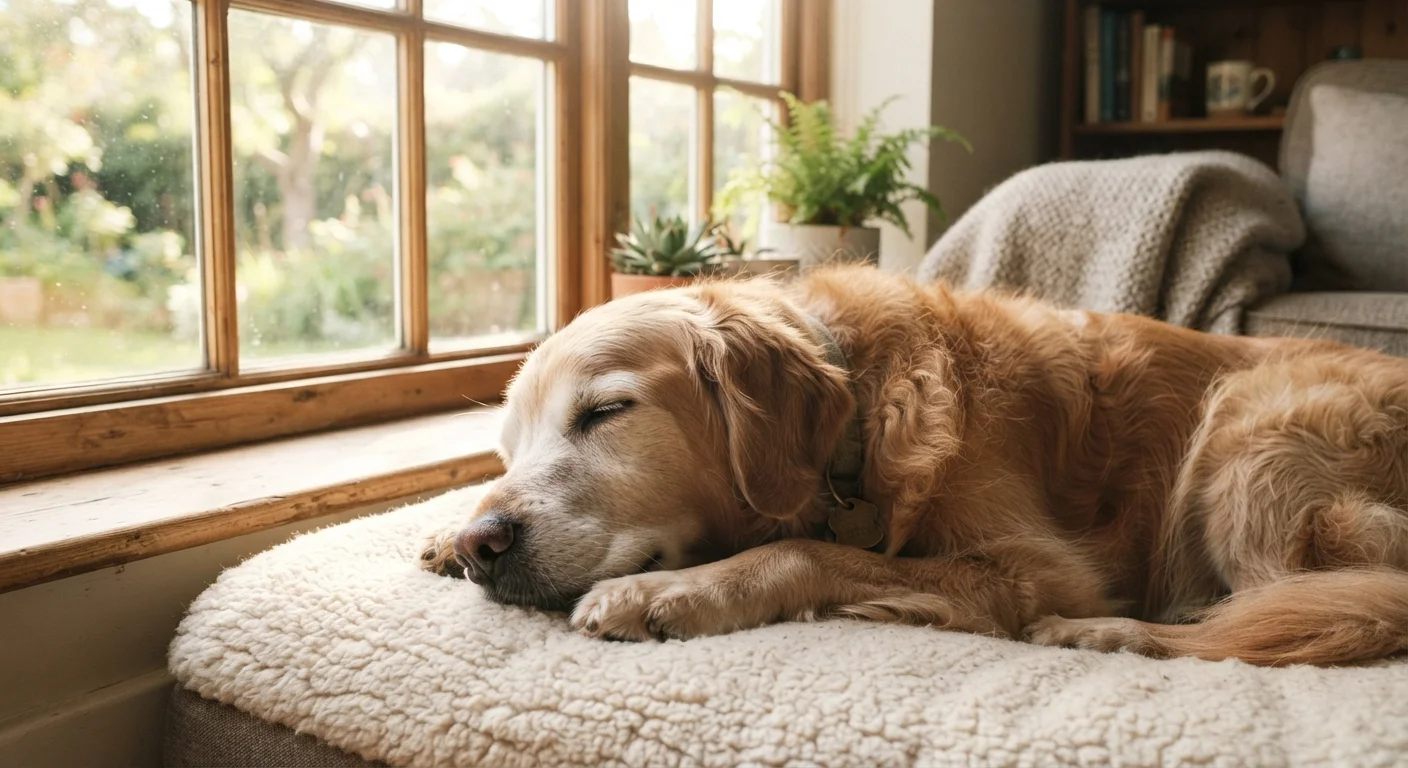
Life stage matters equally. Puppies under one year need frequent short play sessions rather than long runs - their growth plates are still developing, and repetitive high-impact exercise can cause lasting joint damage. Adult dogs thrive on consistent daily routines. Senior dogs generally benefit from continued moderate movement, but duration and intensity should be adjusted to their comfort and any diagnosed health conditions. Always consult your veterinarian before significantly changing an older dog's activity level. See how health needs shift as dogs age for broader guidance.
Brachycephalic
Refers to animals with shortened skull anatomy, such as Bulldogs and Pugs. This structure can restrict airflow, making strenuous or hot-weather exercise risky.
Growth plates
Areas of developing cartilage near the ends of long bones in young animals. High-impact repetitive exercise before these close can cause lasting joint damage.
Obligate carnivore
An animal that must obtain certain nutrients from animal tissue. Cats are obligate carnivores, which also influences their burst-style hunting and play behavior.
Crepuscular
Most active during twilight hours - dusk and dawn. Hamsters follow this pattern, which affects when they naturally exercise and explore.
Cats, Small Mammals, and Birds: Often Underestimated
Cats are obligate hunters with a natural burst-activity pattern - short, intense play rather than sustained aerobic exercise. Indoor cats in particular benefit from two to three interactive play sessions daily, ideally using toys that mimic prey movement. Total active play time of 15-30 minutes per day supports weight management and reduces stress-related behaviors. Animal play serves deep behavioral and developmental functions that go beyond simple entertainment.
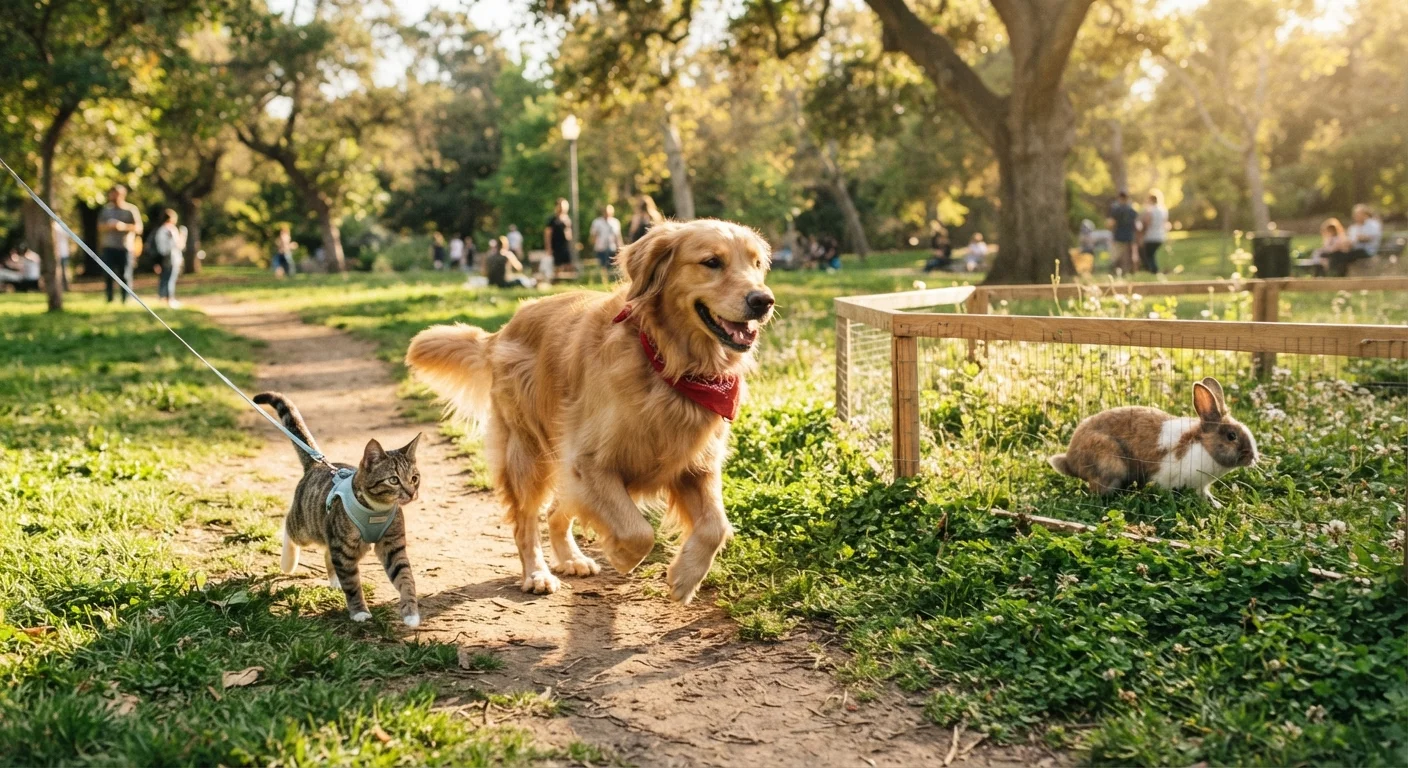
Small mammals vary considerably. Rabbits need at minimum three to four hours outside their enclosure daily in a safe, enriched space. Guinea pigs benefit from floor time and tunnels. Hamsters, being crepuscular, exercise most actively at dusk and dawn - a properly sized wheel is essential, not optional.
Pet birds require out-of-cage flight or supervised exploration time. Larger parrots generally need several hours of activity and social interaction daily; smaller birds like budgerigars still benefit from daily flight time in a bird-safe room.
When to Adjust Exercise - Talk to Your Vet
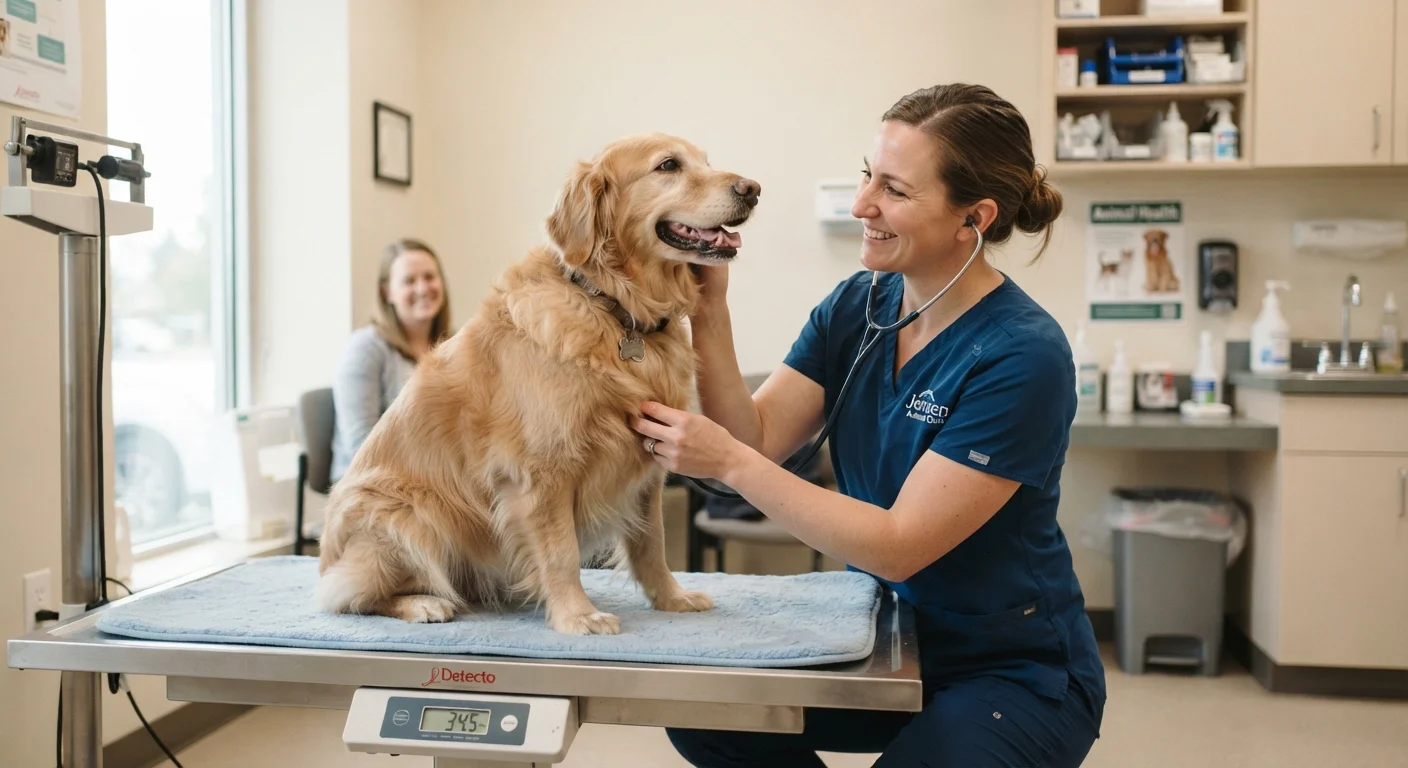
Any new health diagnosis, sudden weight change, or significant behavioral shift warrants a conversation with your veterinarian before changing your pet's exercise routine. This is especially important for senior animals, post-surgical recovery, and breeds with known orthopedic or cardiac conditions. This article provides general educational information and is not a substitute for professional veterinary advice.
For all species, the quality of exercise matters as much as quantity. Enriched environments, social interaction, and varied stimuli produce better outcomes than simple duration alone. For a fuller picture of daily care responsibilities, see what pets actually need from you every single day.