What Causes Separation Anxiety?
Separation anxiety rarely has a single cause. It typically emerges from a combination of genetic predisposition, early life experience, and environmental triggers. Understanding what's driving your dog's distress is the first step toward addressing it effectively.
Common contributing factors include:
- History of rehoming or shelter stays: Dogs that have experienced abandonment may be hypervigilant about owner departures.
- Lack of early independence training: Puppies that were never gradually taught to be alone may struggle significantly as adults.
- Sudden schedule changes: A return to in-person work after extended time at home is a well-documented trigger.
- Loss of a companion: The death or rehoming of another household pet can destabilize a dog's routine and sense of security.
- Traumatic events: A frightening experience while alone - such as a thunderstorm - can create a lasting association between solitude and danger.
Certain breeds with strong social bonds, such as Labrador Retrievers, Border Collies, and Vizslas, may be statistically more prone to separation-related distress, though any dog can develop the condition.
Rule Out Medical Causes First
Some behaviors that resemble separation anxiety - such as indoor elimination or excessive vocalization - can have underlying medical explanations, including urinary tract infections, cognitive dysfunction, or pain. Before assuming a behavioral cause, schedule a veterinary checkup to rule out physical contributors, especially in senior dogs.
Recognizing the Signs
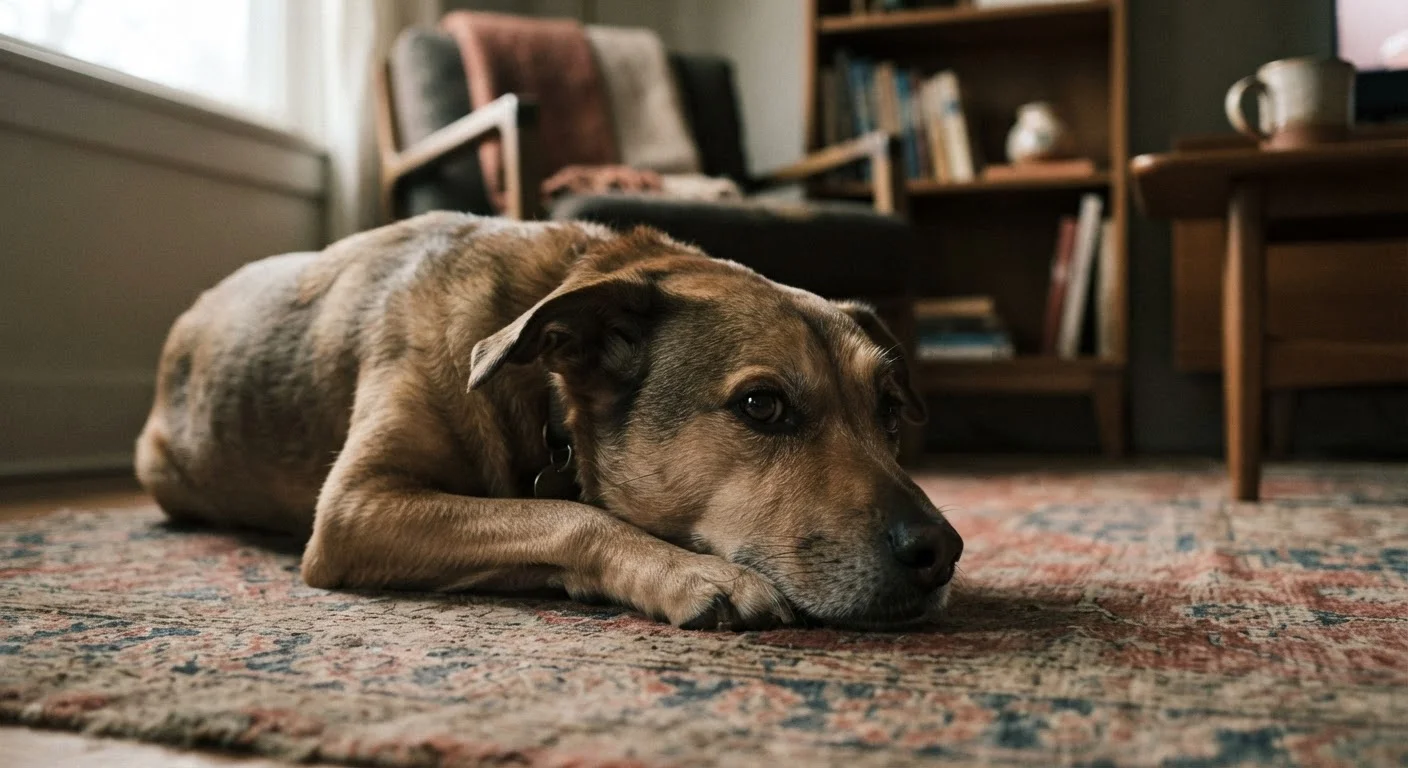
Many dogs show mild discomfort when owners leave, but separation anxiety involves a more intense and consistent pattern of distress. The key distinction is that these behaviors occur almost exclusively in your absence and are driven by panic rather than habit or boredom.
Hallmark signs of separation anxiety include:
- Howling, barking, or whining that continues long after departure
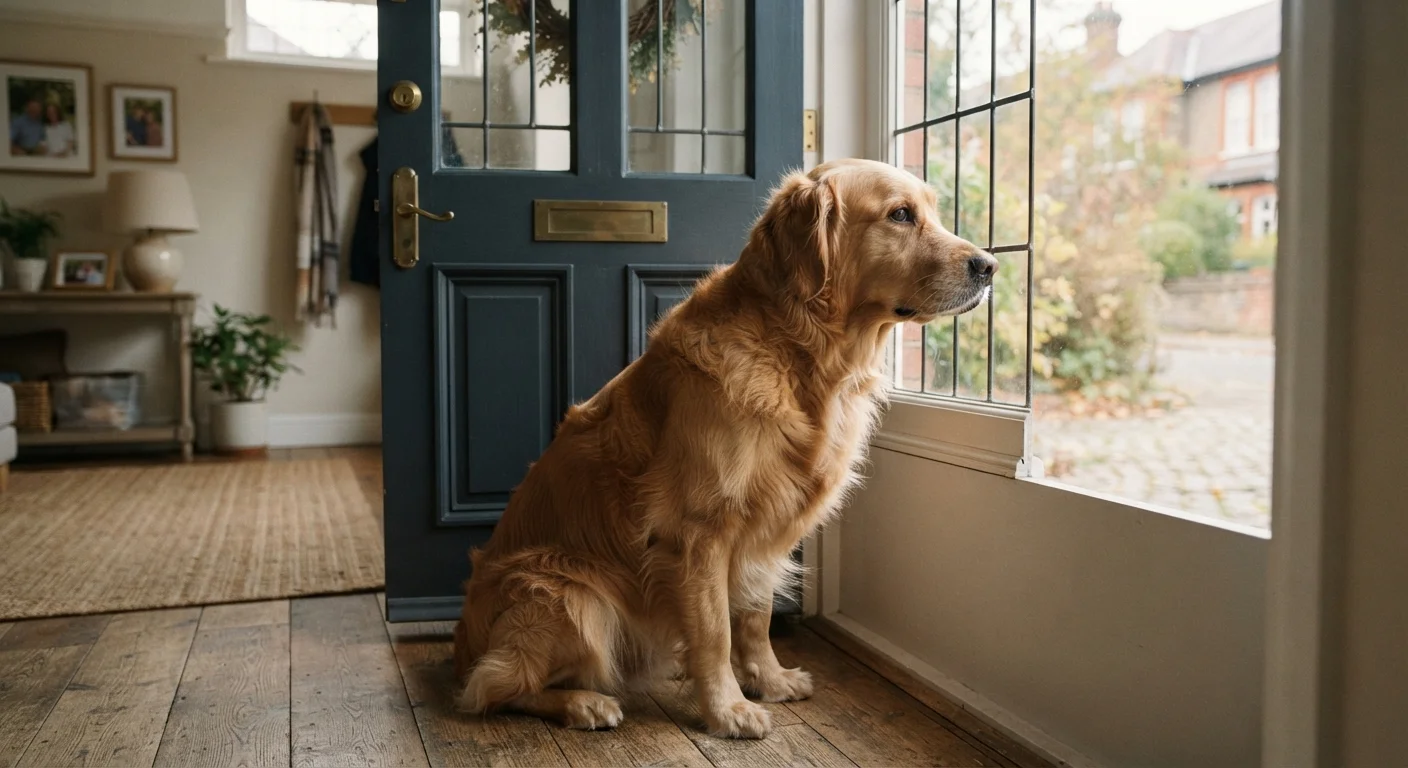
- Destructive chewing - particularly near exits like doors and windows
- House-soiling despite being fully house-trained
- Frantic pacing or repetitive circling
- Excessive drooling or panting
- Attempts to escape that result in self-injury
A home camera or video doorbell can be invaluable here. Watching footage of your dog's behavior in the first 30 minutes after you leave often reveals patterns that aren't visible to you. You might also notice subtler pre-departure cues - your dog becoming clingy or agitated as you pick up your keys. These early stress signals are worth catching early; our guide on reading stress signals in pets can help you identify them before behavior escalates.
It's also worth noting that persistent barking is sometimes misread as a training issue. Decoding why dogs bark can clarify whether vocalization is rooted in anxiety or another cause entirely.
~20%
Dogs estimated to show separation-related behaviors
Research published in animal behavior journals suggests roughly one in five dogs exhibits some form of separation-related distress during their lifetime.
30 min
Window when most anxiety behaviors peak
Behavioral studies consistently show that the majority of separation anxiety behaviors occur within the first 30 minutes after an owner departs.
#1
Reason dogs are surrendered to shelters
Separation anxiety and related destructive behaviors are among the most commonly cited behavioral reasons owners relinquish dogs to shelters in the US.
Evidence-Based Strategies to Help Your Dog
The most effective approaches to separation anxiety are rooted in behavioral science. They work by gradually changing your dog's emotional response to being alone - from panic to calm - rather than simply suppressing the symptoms.
Desensitization to Departure Cues
Begin by repeatedly performing your pre-leave routine - picking up keys, putting on shoes - without actually leaving. Over time, your dog learns these cues don't reliably predict abandonment, reducing anticipatory anxiety.
Graduated Alone-Time Training
Start with absences of just a few seconds, then build incrementally. The goal is to keep your dog below their anxiety threshold at every step. If they show distress, you've moved too fast - return to a shorter duration they can handle calmly.
Counterconditioning
Pair your departures with something genuinely positive, such as a food puzzle or long-lasting chew that your dog only receives when you leave. Over time, your leaving predicts good things, shifting the emotional association.
Avoiding Inadvertent Reinforcement
Dramatic hellos and goodbyes can amplify anxiety. Calm, matter-of-fact departures and arrivals help communicate that leaving is unremarkable and safe.
Use a Camera to Observe Your Dog Objectively
Set up a simple home camera or use a video doorbell to record your dog's behavior after you leave. Even a 20-minute clip can reveal whether your dog settles within a few minutes or remains distressed throughout your absence. This information helps you and your vet or behaviorist understand the true severity and tailor a response accordingly.
For dogs with moderate to severe anxiety, behavioral strategies alone may not be sufficient. A veterinary behaviorist or certified applied animal behaviorist can design a structured program, and in some cases a vet may discuss whether medication could support the process. Explore what vets commonly recommend for anxious pets to understand the full range of options available.
This article is for general informational purposes only and does not constitute veterinary or medical advice. Always consult a qualified veterinarian or certified animal behaviorist for guidance specific to your dog's needs.