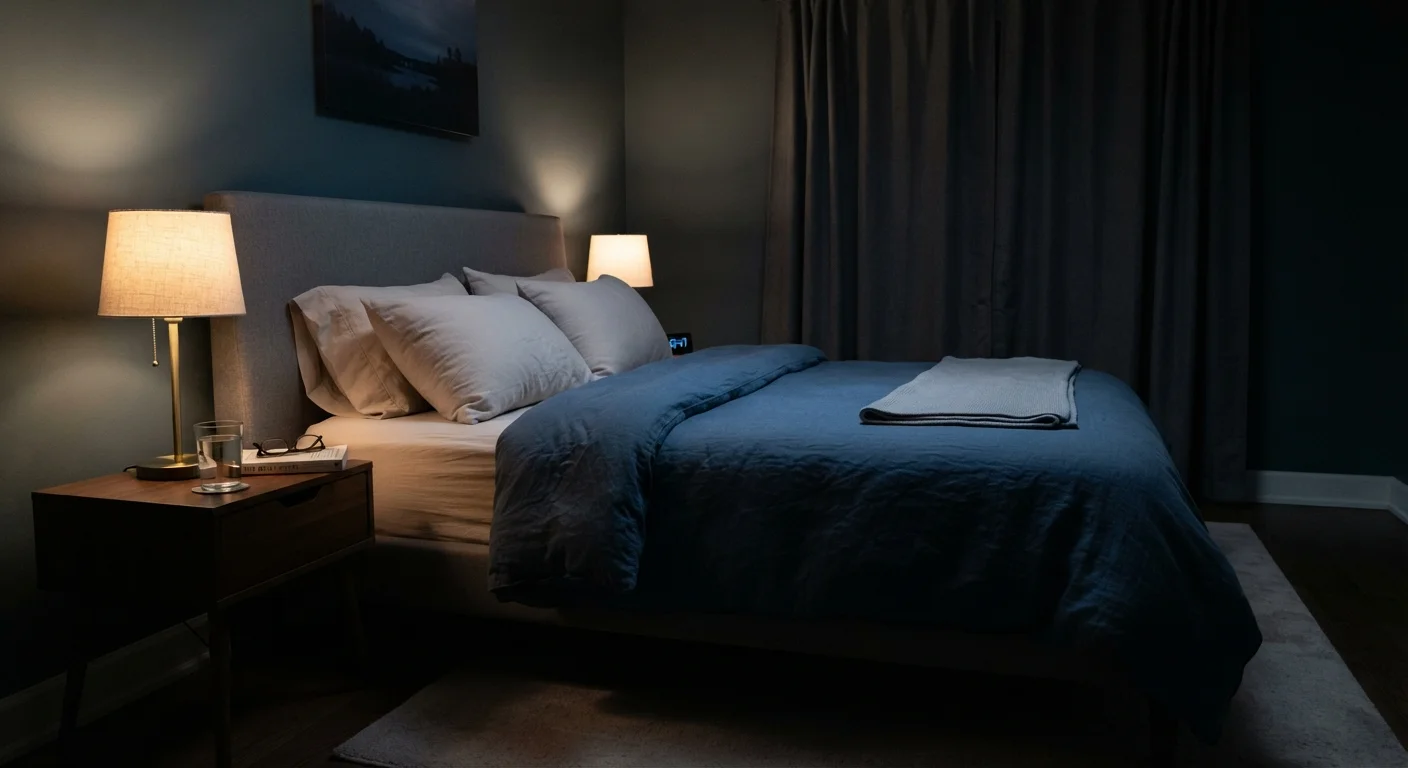

Why Your Evening Routine Shapes Your Night
Sleep doesn't begin the moment your head hits the pillow - it begins hours earlier, as your body quietly starts winding down its core temperature, shifting hormone levels, and dimming alertness. The transition from waking to sleeping is a biological process, not a switch, and the habits you build into your evening either support or disrupt it.
Research in sleep science consistently points to the same principle: the environment and behaviors you expose yourself to in the final two hours before bed have an outsized influence on how quickly you fall asleep, how deeply you sleep, and how rested you feel the next morning. For a broader look at what the evidence says about sleep habits overall, see sleep hygiene practices that actually work.
This checklist is designed to be practical and flexible - not a rigid prescription, but a set of evidence-informed steps you can adapt to your own schedule and lifestyle. Work through the groups in order, starting roughly 90 minutes before your intended sleep time.
Dimmer switch or smart bulb
Allows you to reduce light intensity gradually in the evening without switching to darkness all at once.
Blue-light blocking glasses
Reduces blue-wavelength light reaching your eyes during evening screen use if you cannot avoid devices.
Sleep journal or notepad
Captures lingering thoughts and tomorrow's tasks to clear mental load before bed.
White noise machine or app
Masks disruptive ambient noise to maintain a consistent auditory sleep environment.
Room thermometer
Helps you monitor and maintain a bedroom temperature in the range associated with comfortable sleep.
The Evening Wind-Down Checklist
Use the checklist below as a nightly audit. The must items address the mechanisms most clearly supported by sleep science. Should items are strongly recommended for most people. Nice-to-have items offer meaningful enhancement if you have the time and inclination.
Light Environment
Screen and Device Habits
Eating and Drinking
Body and Environment
Mental Decompression
Don't Use Alcohol as a Sleep Aid
Alcohol is commonly used to feel drowsy faster, but research consistently shows it disrupts the restorative stages of sleep - particularly REM sleep - in the later half of the night. Regular reliance on alcohol to fall asleep can reduce overall sleep quality and mask underlying sleep difficulties. If you're frequently struggling to fall asleep without it, speak with a healthcare professional.
If you're weighing whether to invest more energy into your evening or morning routine, the comparison is worth exploring: night routines vs. morning routines. And if stress, mood, or sleep patterns feel off, a weekly mental well-being audit can help you spot patterns early.
Making the Routine Stick
The biggest obstacle to a consistent wind-down routine isn't knowledge - it's friction. Keeping the effort low and the cues predictable is what allows habits to become automatic over time. A good evening routine also creates a natural bridge to the following morning; if you're curious about structuring that side of the day, building a morning routine that survives a busy week offers a realistic starting point.
Start by picking just two or three items from the checklist above that feel most accessible. Build consistency with those before layering in others. Sleep quality improvements from behavioral changes typically develop over days to weeks, not overnight - patience and repetition matter more than perfection on any single night.
Persistent Sleep Problems Need Professional Attention
This checklist supports healthy sleep habits for generally healthy adults - it is not a treatment for sleep disorders. If you regularly take longer than 30 minutes to fall asleep, wake frequently during the night, snore loudly, feel unrested after a full night's sleep, or experience daytime impairment, please consult a qualified healthcare provider. Conditions such as insomnia disorder and sleep apnea require proper evaluation and should not be managed with behavioral adjustments alone.
This article is for general informational and educational purposes only and does not constitute medical advice. If you experience persistent sleep difficulties, excessive daytime fatigue, or suspect a sleep disorder, consult a qualified healthcare professional.