The Case for Preventive Care
When a pet is eating well, playing normally, and showing no signs of distress, a vet visit can feel unnecessary. But appearances can mislead. Animals are instinctively inclined to mask discomfort, and many conditions develop silently over months before producing any visible change in behavior or appetite.
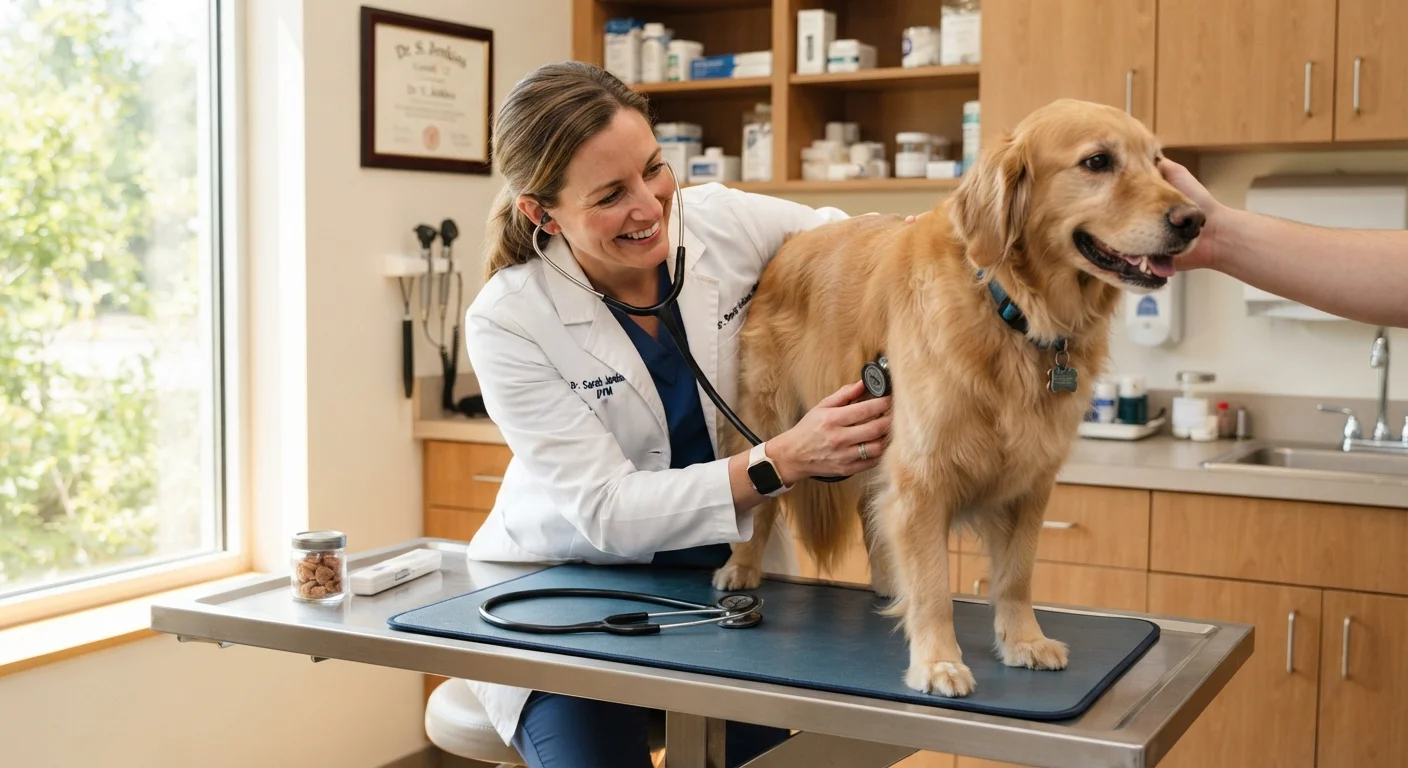
Routine wellness exams give veterinarians the opportunity to build a detailed health picture for each animal over time. By tracking weight trends, listening to heart and lung sounds, and reviewing bloodwork across multiple visits, a vet can spot a deviation from a pet's individual baseline - something that would be impossible without that ongoing record. This is the central value of preventive care: catching the problem at a stage when treatment options are broader and outcomes are generally better.
Pet health is not just about responding to illness - it's about maintaining conditions that make illness less likely to take hold undetected.
Keep a simple health log for your pet
Before each vet visit, jot down any changes you've noticed - shifts in appetite, water intake, sleep patterns, coat condition, or energy levels. Even subtle observations can provide useful context for your veterinarian. Many conditions are first flagged not by tests, but by owner observations shared during routine appointments.
What a Routine Visit Actually Involves
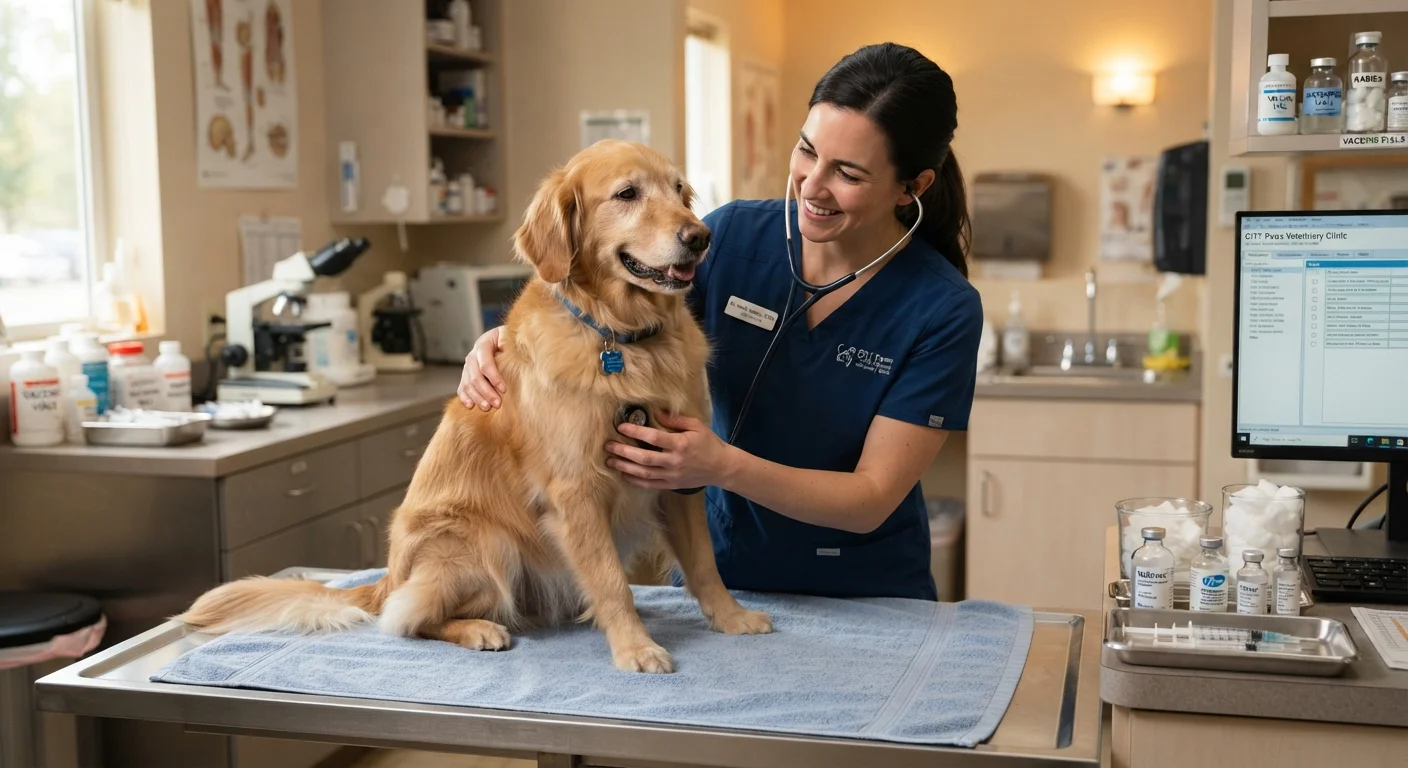
A standard wellness exam typically covers far more ground than most owners expect. The veterinarian will conduct a head-to-tail physical assessment, checking the eyes, ears, teeth, skin, coat, lymph nodes, abdomen, joints, heart, and lungs. Each of these areas can reveal early warning signs that aren't visible from the outside.
Depending on the pet's age, species, and health history, the visit may also include:
- Vaccination updates - core vaccines and any non-core vaccines appropriate to the pet's lifestyle. See our overview of dog vaccination schedules for more detail.
- Parasite prevention review - assessing current flea, tick, heartworm, and intestinal worm prevention.
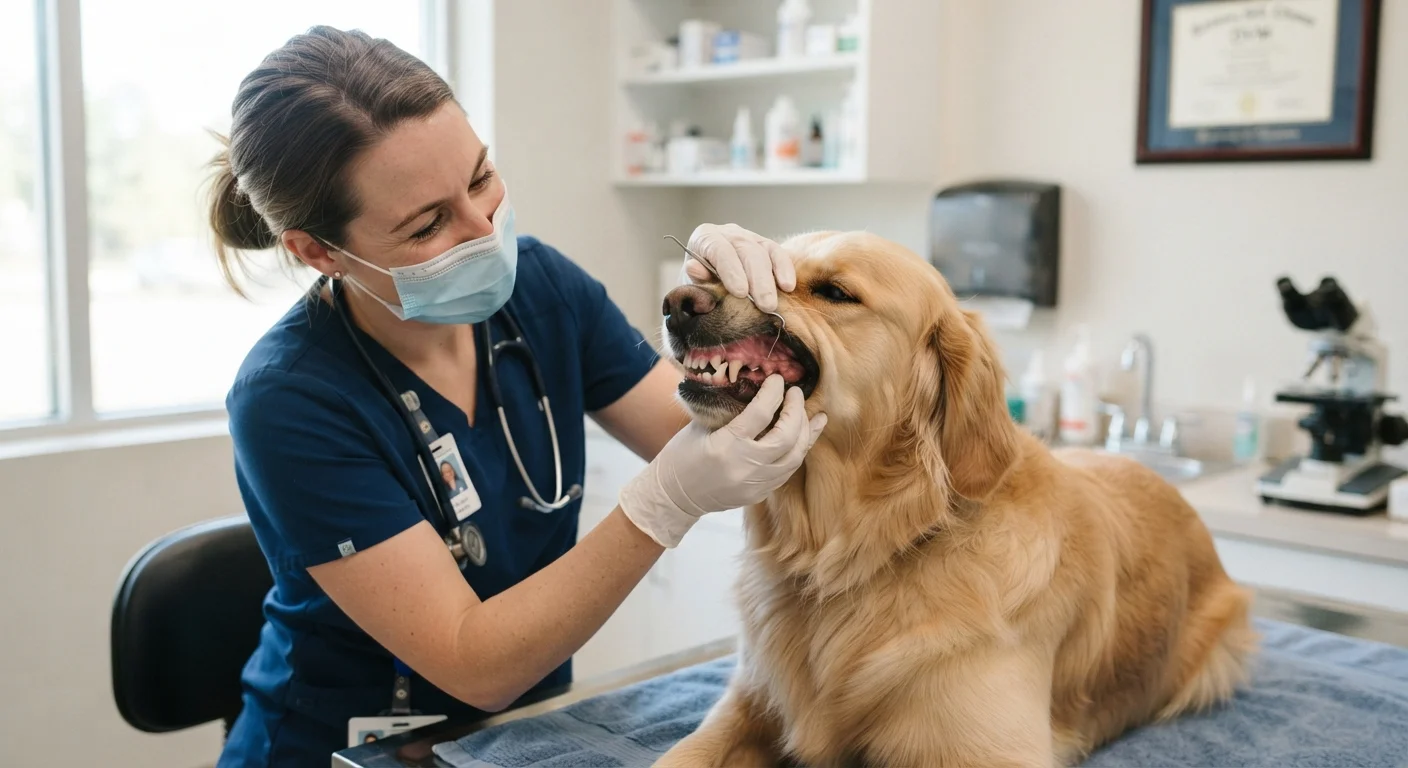
- Dental assessment - dental disease is among the most common and underdiagnosed conditions in pets. Our article on dental disease in pets explains what's often missed.
- Weight and nutritional discussion - obesity is a significant health risk in domestic animals and is easier to manage when caught early.
- Bloodwork or urinalysis - typically recommended annually for senior pets, and sometimes for younger animals to establish baselines.
The visit also gives owners a structured opportunity to raise concerns about behavior, diet, or changes they've noticed at home.
70%
Dogs over 3 affected by dental disease
According to the American Veterinary Medical Association, an estimated 70% of adult dogs show signs of periodontal disease by age three - a condition commonly identified during routine exams.
2x/year
Recommended exam frequency for senior pets
Many veterinary organisations advise twice-yearly wellness exams for senior pets, given the increased pace at which age-related conditions can develop and progress.
1 in 4
Pets with a hidden health issue at wellness exams
Veterinary studies have found that a meaningful proportion of pets presented for routine wellness visits are found to have an undiagnosed health condition requiring attention.
Why Frequency Matters More as Pets Age
Puppies and kittens need frequent early visits to complete vaccination series and monitor development. Adult pets in their prime typically do well with annual exams. But as pets reach their senior years - generally around age seven for many dogs, and similar for cats - the calculus changes.
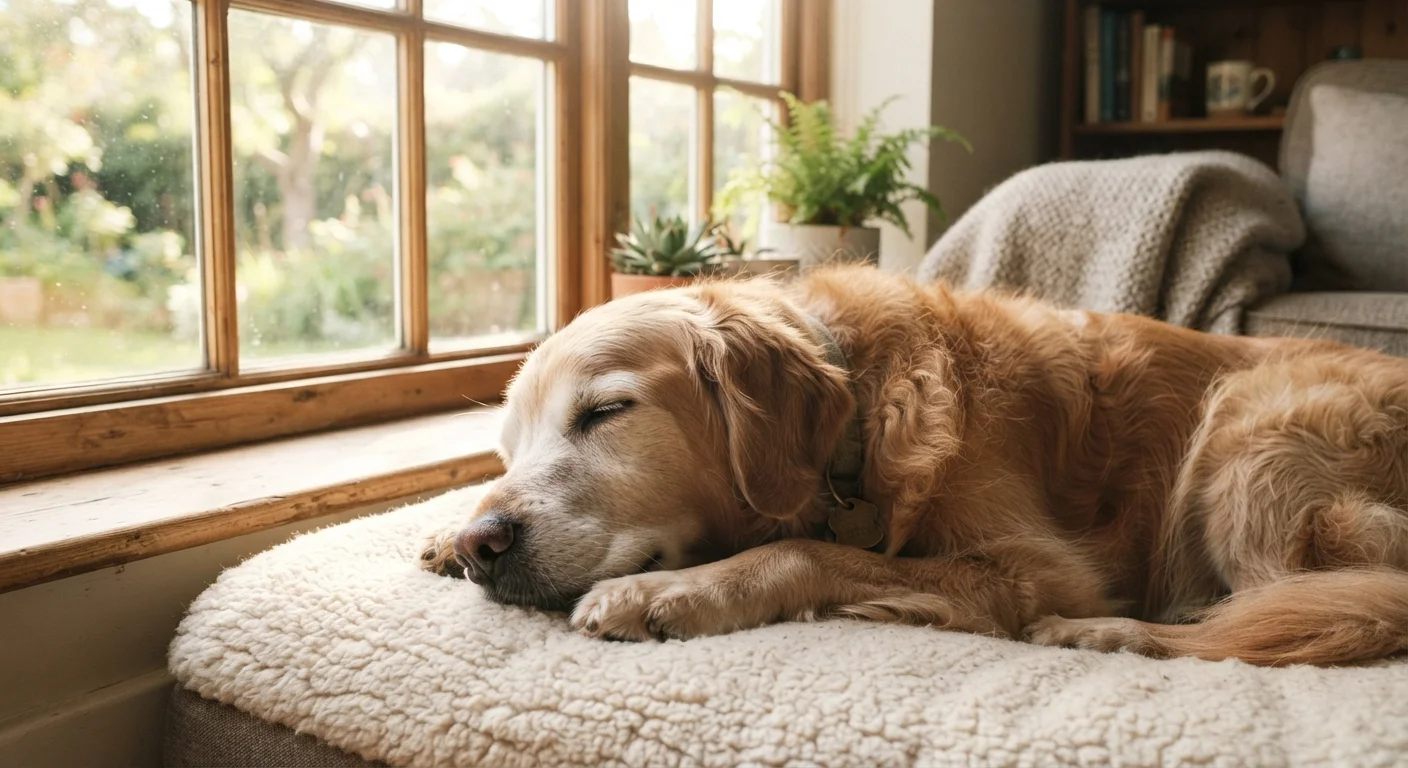
Older animals are more susceptible to conditions including kidney disease, hyperthyroidism in cats, arthritis, heart disease, and certain cancers. These conditions can progress rapidly, and a once-yearly check-up may leave too large a gap between assessments. Many veterinarians recommend moving to semi-annual exams for senior pets to allow more frequent monitoring.
Our guide on keeping senior pets comfortable covers what changes to expect and how to support aging animals between vet visits.
Making Routine Care Part of Your Pet Ownership Approach
Scheduling a vet visit once a year is straightforward in theory, but it's easy to let it slip - especially when a pet appears healthy and daily life is busy. Building the appointment into a broader care routine helps ensure it doesn't get overlooked.
Our article on building a monthly pet care routine outlines how to structure ongoing care realistically. Pairing that with an understanding of what pets need from you every day gives a well-rounded foundation.
It's also worth knowing the difference between a routine visit and an urgent one. Some symptoms genuinely cannot wait - our guide to recognising a pet emergency helps owners distinguish between the two.
“The goal of a wellness exam is not just to check whether a pet is sick today - it's to understand that animal's individual normal, so any future change becomes meaningful data rather than guesswork.”
— American Animal Hospital Association, Veterinary accreditation and guidelines body for companion animal practice
This article is for general informational purposes only and does not constitute veterinary advice. Always consult a qualified veterinarian regarding your pet's individual health needs.