
Why the Body Stays in Crisis Mode
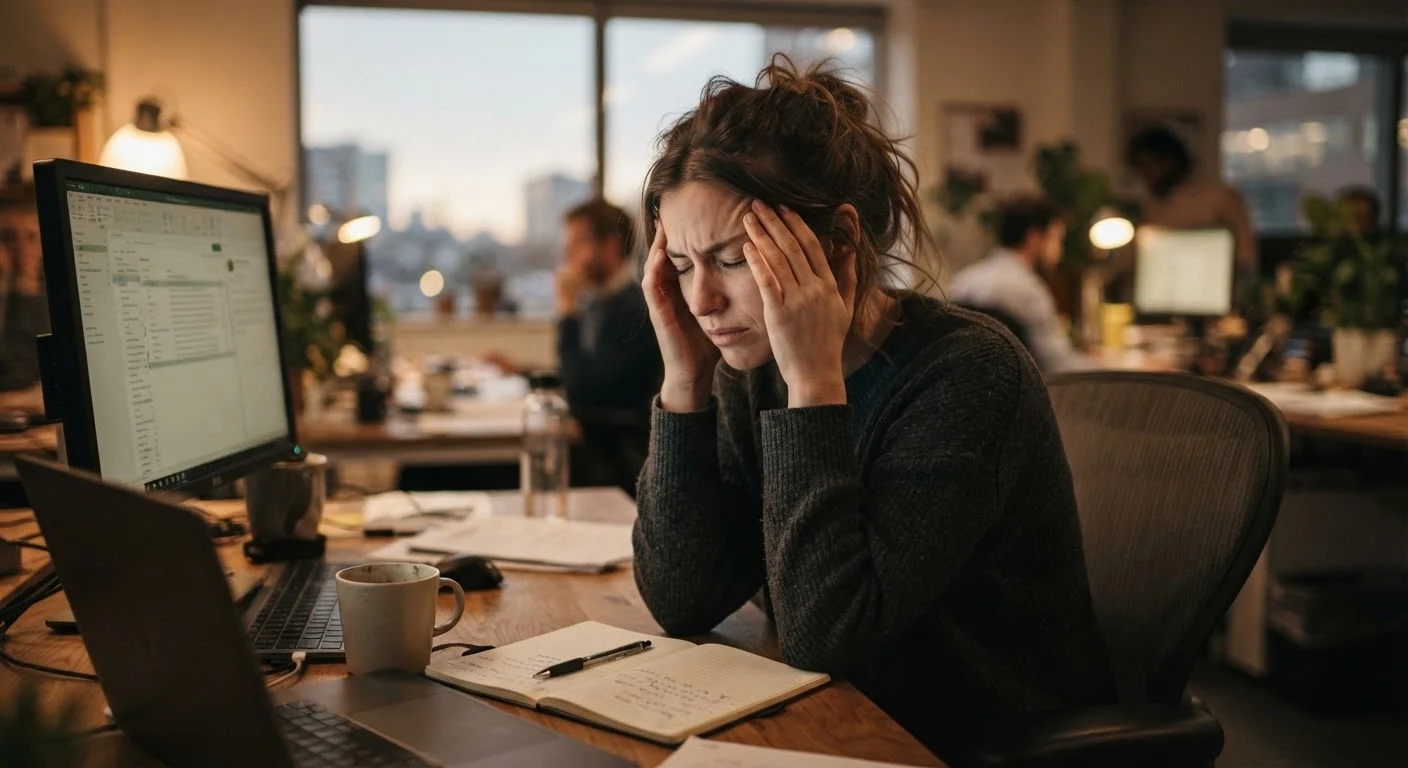
The human stress response evolved for short-lived physical threats. When the brain perceives danger, it triggers a cascade of hormones - primarily cortisol and adrenaline - that sharpen alertness, increase heart rate, and redirect energy toward survival. This is helpful in a genuine emergency. The problem arises when modern stressors - work pressure, financial worry, relationship conflict - keep that system switched on indefinitely.
Unlike a predator encounter that resolves in minutes, these stressors rarely disappear. The body, unable to distinguish psychological threat from physical danger, remains in a low-grade state of alert. Cortisol stays elevated. The nervous system stays primed. And the physiological costs accumulate quietly in the background, often unnoticed until they begin to visibly undermine daily functioning.
To understand why this matters for self-care, it helps to see how this sustained tension ripples through specific body systems. The science behind why stress feels physical explains this mind-body connection in more depth.
77%
Adults experiencing physical stress symptoms
According to the American Psychological Association's Stress in America survey, a large majority of adults regularly experience physical symptoms they attribute to stress.
3-4×
Increased risk of the common cold under chronic stress
Research published in psychoneuroimmunology literature has found that people under chronic psychological stress are significantly more susceptible to viral infections.
~50%
Adults reporting stress-related sleep disruption
The American Psychological Association has consistently reported that roughly half of US adults say stress has disrupted their sleep in the past month.
How Chronic Tension Disrupts Specific Body Systems
Sleep: Cortisol follows a natural daily rhythm, peaking in the morning and declining at night. Chronic stress distorts this curve, keeping cortisol elevated when it should be falling. The result is difficulty falling asleep, lighter sleep, and more frequent waking. Poor sleep then impairs the body's cortisol regulation the next day - creating a reinforcing cycle. This connection is explored further in our piece on sleep and mental health.
Digestion: The gut and brain communicate through the enteric nervous system. Under chronic stress, digestion is deprioritized as the body redirects resources. This can manifest as slowed gut motility, bloating, changes in bowel habits, or heightened gut sensitivity. Existing digestive conditions are often worsened.
Skin: Stress-driven cortisol spikes increase inflammation throughout the body, which can trigger or worsen conditions such as eczema, psoriasis, and acne. Skin also becomes more reactive and slower to heal when the immune system is chronically taxed.
Immune function: Short-term stress can briefly boost immunity. Chronic stress, however, suppresses immune responses, making the body more susceptible to common infections and slower to recover from illness.
These Are Patterns, Not Diagnoses
The physiological effects described here represent general patterns supported by established research. Individual responses to stress vary considerably based on genetics, life history, existing health conditions, and social context. If you recognize these patterns in your own experience, that's a useful signal - but a healthcare professional is the appropriate person to evaluate specific symptoms or concerns.
Why Self-Care Routines Break Down Under Stress
There's a frustrating paradox embedded in chronic stress: the people who most need consistent self-care are physiologically least equipped to sustain it. Decision fatigue, disrupted sleep, low energy, and impaired emotional regulation all erode the mental bandwidth required to maintain healthy habits. Motivation drops. Routines slip. And many people interpret this as a personal failure rather than a predictable physiological outcome.
This is why high-effort wellness routines - elaborate morning rituals, intensive workout regimes, complex meal-prep plans - tend to collapse first under pressure. They require exactly the cognitive and physical resources that chronic stress depletes. As described in our guide to hydration, nutrition, and rest, focusing on foundational habits rather than complex routines is often more sustainable.
Design Self-Care for Your Worst Days
Rather than building a routine around your best, most energized days, design your baseline habits to be sustainable on your hardest ones. A two-minute breathing exercise you do every day is more valuable physiologically than a 60-minute wellness ritual you do twice a month. Consistency - not intensity - is the mechanism by which most self-care habits deliver benefit.
The goal isn't to overhaul a lifestyle during a period of high stress. It's to preserve the smallest viable version of supportive habits - ones that require minimal friction and can survive a difficult week intact.
Sustainable Approaches When Stress Is High
Building stress resilience doesn't require dramatic changes. Research consistently supports smaller, repeatable practices over intensive but irregular efforts. A few principles tend to hold across the evidence:
- Prioritize sleep consistency over duration. Keeping wake times stable - even on weekends - helps regulate cortisol rhythm. Rest and recovery involves more than hours in bed; active recovery practices matter too.
- Use the body to signal safety. Slow, diaphragmatic breathing activates the parasympathetic nervous system, helping counteract the stress response. Even five minutes can measurably shift physiological state.
- Reduce stressor load where possible. Self-care cannot compensate indefinitely for unmanaged chronic stressors. Identifying modifiable sources of stress - and addressing them directly - is itself a health intervention.
- Eat regularly and simply. Under stress, appetite and digestion are disrupted. Consistent, uncomplicated meals help stabilize blood sugar and reduce additional physiological burden.
If stress symptoms are persistent, significantly affecting sleep, mood, or physical health, speaking with a qualified healthcare professional is an important next step - not a last resort.
This article is for general informational and educational purposes only and does not constitute medical advice. Always consult a qualified healthcare professional for guidance specific to your health situation.