
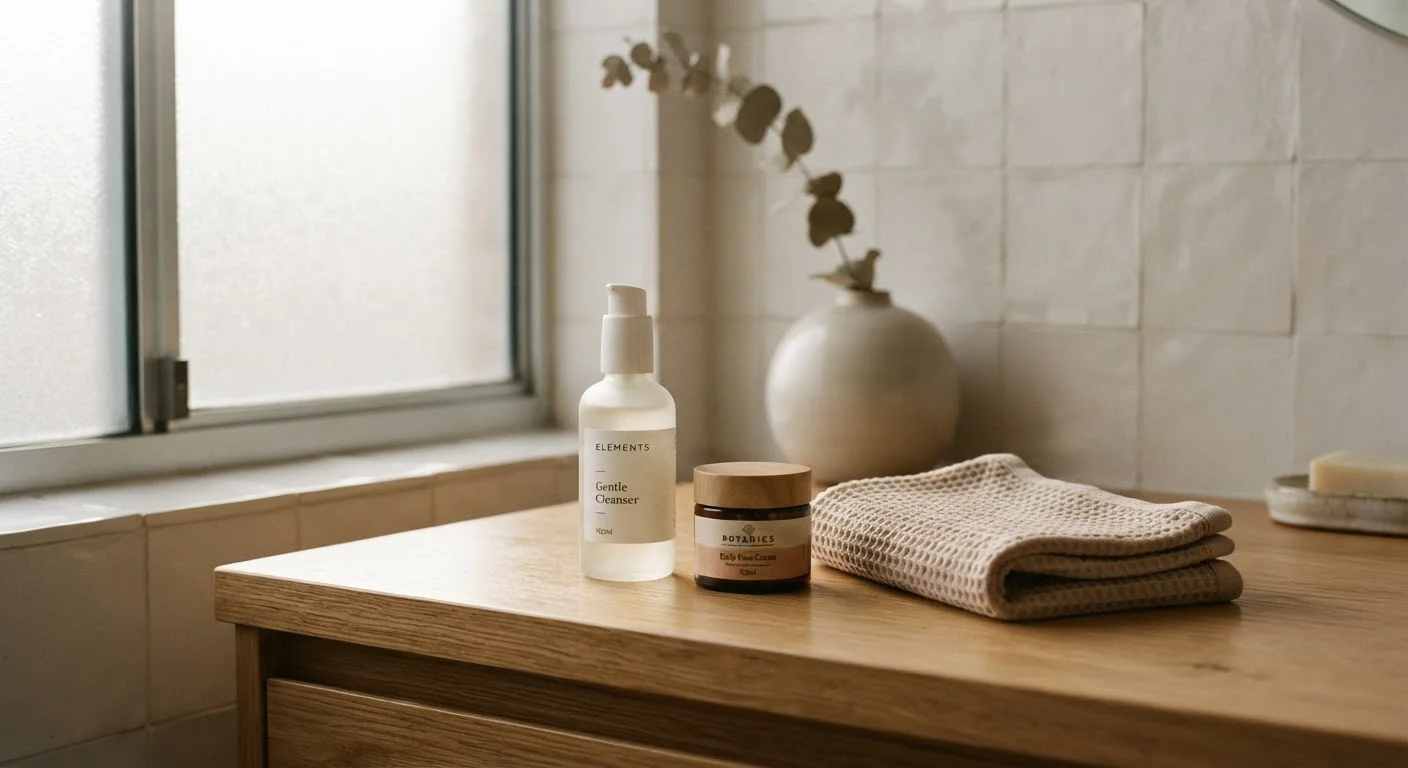
Why Skin Care Sits at the Intersection of Health and Habit
Few daily practices blur the line between physical health and emotional well-being quite like skin care. For some people, a five-minute morning routine is purely functional - cleanse, protect, move on. For others, it's a deliberate moment of calm before the day accelerates. Both are valid, and both can be genuinely beneficial in different ways.
Understanding this distinction matters because it shapes how you build - and sustain - a routine. If you expect a moisturizer to fix your stress levels, or a meditation practice to cure dry skin, you'll likely be disappointed by both. But if you recognize that a skin care ritual can serve as a meaningful anchor in your day and support your skin's physical function, you can design something that actually sticks.
For a broader look at why even well-intentioned routines collapse, see why self-care routines often fall apart - many of the same structural pitfalls apply here.
Start With Two Steps, Not Ten
If you're building or rebuilding a skin care habit, begin with just a gentle cleanser and a broad-spectrum SPF moisturizer in the morning. This covers the most evidence-backed bases without creating a routine so complex it becomes a burden. Expand only when the basics feel effortless and consistent.
What the Evidence Actually Supports
Skin care sits in a complicated space: some steps have robust scientific backing, while others exist primarily because the beauty industry is large and marketing is persuasive. Separating these two categories is one of the most useful things you can do for both your skin and your wallet.
90%
Of visible skin aging attributed to UV exposure
According to the Skin Cancer Foundation, approximately 90% of visible skin aging is associated with sun exposure, making daily sunscreen use the most evidence-backed anti-aging step available.
3 steps
Recommended core routine by dermatologists
Most board-certified dermatologists recommend a core routine of cleanser, moisturizer, and sunscreen as sufficient for general skin health maintenance for most skin types.
66 days
Average time to form a new habit
A widely cited study published in the European Journal of Social Psychology found that habit formation takes an average of 66 days, underscoring the importance of starting small and staying consistent.
Well-supported practices include:
- Daily broad-spectrum sunscreen (SPF 30 or higher): Consistently supported by dermatological research as the single most effective measure against premature skin aging and UV-related skin damage.
- Gentle cleansing: Helps remove dirt, excess oil, and environmental pollutants without stripping the skin's natural moisture barrier.
- Moisturizing: Supports the skin barrier, particularly important in dry climates or for people with conditions like eczema. Ingredient quality matters more than price.
Steps with less consistent evidence include multi-step serums, elaborate layering systems, and many trending ingredients that have limited peer-reviewed research behind them. That doesn't make them harmful - many are benign - but it's worth holding appropriate expectations.
If you find your routine is becoming financially burdensome, common myths about self-care costs offers useful perspective on separating value from spending pressure.
The Real Value of the Ritual
Here's what often gets lost in ingredient debates: the act of having a consistent ritual - separate from any specific product - carries its own documented psychological value. Behavioral health research on habit and routine suggests that predictable daily anchors can reduce anxiety, improve mood regulation, and contribute to a general sense of agency and control.
When a skin care routine functions as a mindful pause - phones down, attention inward - it becomes something closer to a brief daily check-in with yourself. That's meaningful, regardless of what's in the bottle.
“Routine itself has therapeutic value. When patients establish predictable daily rituals - even simple ones - they often report a greater sense of control and lower baseline anxiety. Skin care can absolutely serve that function.”
— Dr. Erin Gilbert, Board-certified dermatologist and clinical researcher
This is why even a deliberately simple routine can be worth protecting. Small practices with real impact explores this principle across multiple self-care domains - skin care included.
Building a Routine That Lasts
Sustainability is the most underrated quality in any self-care practice. An elaborate ten-step routine done for two weeks and then abandoned delivers less benefit - physical or psychological - than a three-step routine practiced consistently for months.
A few principles that support longevity:
- Start minimal. Identify the one to three steps that serve a clear purpose for your skin and commit to those before adding anything else.
- Attach it to an existing habit. Pairing skin care with brushing your teeth or making morning coffee leverages an established behavioral cue and reduces friction.
- Allow flexibility. On exhausting days, permission to do less - just moisturizer and sunscreen, for example - keeps the routine alive rather than all-or-nothing thinking killing it entirely.
- Separate ritual from results. Appreciate the calming function of the routine independent of whether your skin looks different. The former is immediate; the latter takes weeks.
For foundational wellness habits that support skin health from the inside - hydration, sleep, nutrition - see hydration, nutrition, and rest as physical self-care foundations.
This article is for general informational and educational purposes only and is not a substitute for personalized medical or dermatological advice. If you have specific skin concerns, persistent symptoms, or conditions such as eczema, rosacea, or acne, please consult a qualified dermatologist or healthcare professional.